

Emergency & Help
24/7 Emergency & General Advisory
🚨 24/7 Medical Emergency
Non-Emergency Advisory
10:00 AM – 6:00 PM, Mon–Sat
For appointments & general queries.
24/7 Emergency & General Advisory
🚨 24/7 Medical Emergency
Non-Emergency Advisory
10:00 AM – 6:00 PM, Mon–Sat
For appointments & general queries.
Stay updated with our latest healthcare news and your appointments.
Learn about Tepezza, a treatment for Thyroid Eye Disease (TED), including its symptoms, causes, diagnosis, treatment options, and the crucial aspect of its cost and potential financial assistance in India. Understand how this IV infusion therapy works and when to seek medical advice.
Thyroid Eye Disease (TED), also known as Graves' ophthalmopathy, is an autoimmune condition that affects the eyes. It occurs when the immune system mistakenly attacks the tissues around the eyes, leading to inflammation and swelling. This can cause a range of symptoms, from mild discomfort to significant vision problems. In India, like in many other parts of the world, managing TED can be challenging, and understanding the treatment options, including the cost of medications like Tepezza, is crucial for patients.
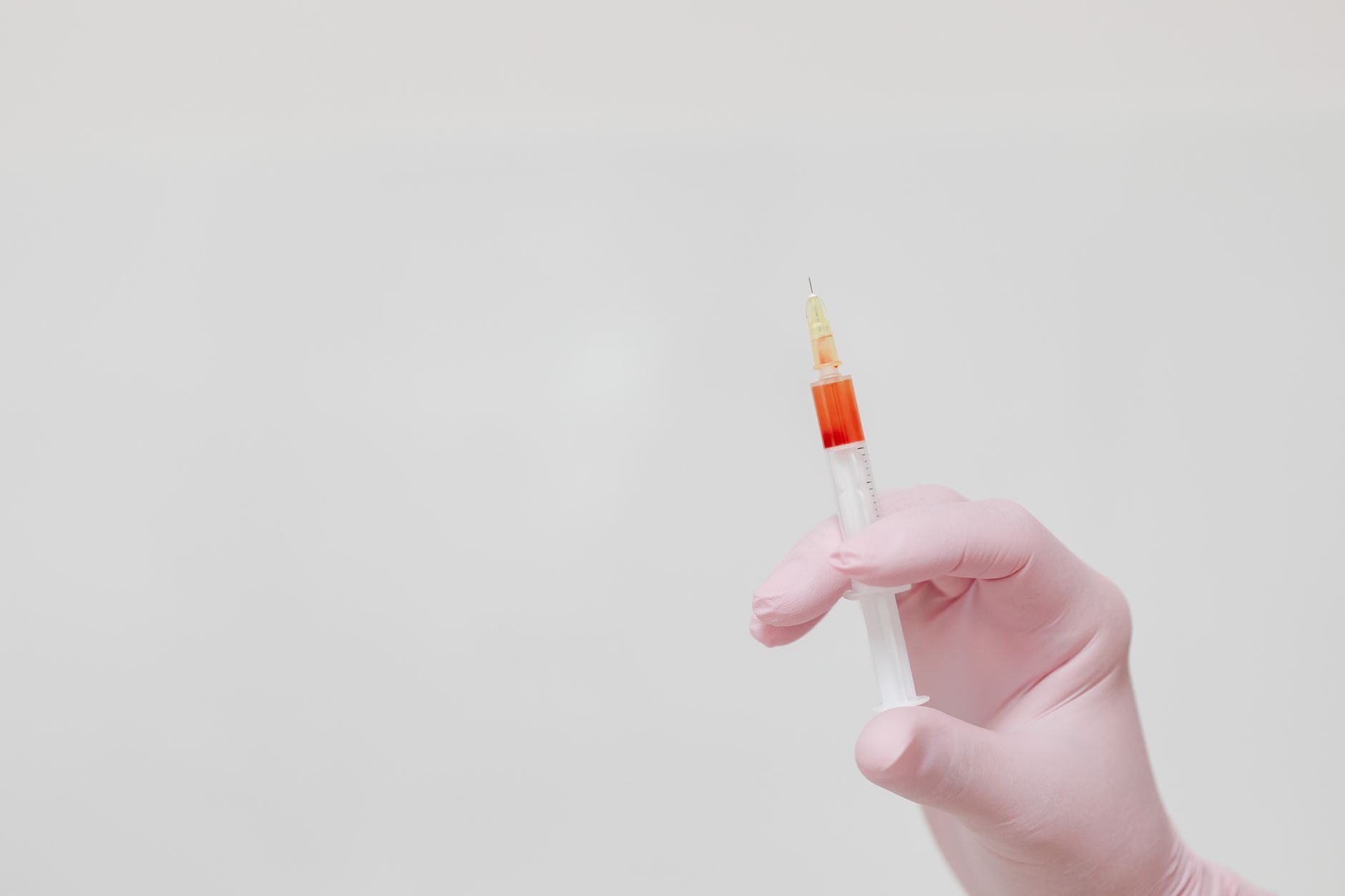
Tepezza (teprotumumab-trbw) is a prescription medication specifically approved for the treatment of Thyroid Eye Disease in adults. It is a biologic drug administered intravenously (IV infusion), meaning it is given directly into a vein over a period of time. Tepezza works by targeting a specific protein in the tissues around the eye that is involved in the inflammatory process of TED. By blocking this protein, Tepezza helps to reduce inflammation, swelling, and other symptoms associated with the condition.
The recommended course of Tepezza treatment for TED typically involves a series of eight IV infusions. These infusions are usually administered over approximately five months. The frequency and duration of these infusions are determined by your doctor based on your individual response to the treatment and the severity of your TED. It's important to note that Tepezza is not a daily oral medication; it requires specialized administration in a clinical setting, such as a doctor's office, hospital, or an infusion suite.
The symptoms of TED can vary widely from person to person and can affect one or both eyes. Common symptoms include:
TED is primarily associated with an overactive thyroid gland (hyperthyroidism), particularly Graves' disease. In Graves' disease, the immune system produces antibodies that stimulate the thyroid gland to produce too much thyroid hormone. These same antibodies can also target tissues in and around the eyes, triggering the inflammatory response that characterizes TED. While Graves' disease is the most common cause, TED can sometimes occur in individuals with normal or even underactive thyroid function.
Diagnosing TED usually involves a combination of medical history, physical examination, and specific tests. Your doctor will assess your symptoms, check for signs of thyroid dysfunction, and examine your eyes for any abnormalities. Diagnostic tests may include:
Treatment for TED aims to manage symptoms, reduce inflammation, and prevent further damage to the eyes. The approach to treatment depends on the severity and stage of the disease. Options include:
The cost of Tepezza can be a significant concern for patients. As a specialized biologic medication, it is generally expensive. The exact cost in India can vary widely based on several factors:
Note: Tepezza is not currently available as a generic or biosimilar version. It is only marketed under the brand name Tepezza.
For patients facing financial challenges in affording Tepezza, exploring cost assistance programs is advisable. While specific programs may vary, it's worth inquiring with your doctor, the hospital's patient assistance department, or the pharmaceutical company that manufactures Tepezza (Amgen) about any available support. Programs like 'Amgen By Your Side' in other regions aim to help eligible patients with the cost of treatment. It is crucial to investigate similar initiatives or patient support schemes that might be available in India.
It is essential to consult a doctor if you experience any symptoms suggestive of Thyroid Eye Disease. Early diagnosis and prompt treatment can help prevent severe complications and improve outcomes. You should seek medical attention if you notice:
Your doctor, likely an endocrinologist or an ophthalmologist specializing in orbital diseases, will guide you through the diagnosis and treatment process.
While TED is an autoimmune condition and cannot always be prevented, certain measures can help manage the risk and severity:
No, Tepezza is a targeted therapy for moderate to severe TED. Other treatments include managing thyroid dysfunction, lubrication, steroids, and surgery, depending on the individual's condition.
A full course of Tepezza treatment typically consists of eight IV infusions administered over approximately five months.
No, Tepezza is administered as an intravenous (IV) infusion, not as an oral medication.
Common side effects can include muscle cramps, nausea, diarrhea, hair loss, decreased appetite, and high blood sugar. It's important to discuss potential side effects with your doctor.
Tepezza infusions are typically administered at hospitals, specialized infusion centers, or doctor's offices equipped to provide IV therapy. Your doctor will advise you on the nearest and most suitable facility.
To get an accurate estimate of the cost, you should consult your doctor, pharmacist, and insurance provider. They can provide details based on your treatment plan, insurance coverage, and any available assistance programs.
Visit Hospital
Near You

Confused about whether CBD can get you high? Understand the difference between CBD and THC, their effects on your body, and what to look for in safe, non-intoxicating CBD products.
April 1, 2026

Learn about anticoagulants and antiplatelet drugs, often called blood thinners. Understand how they prevent blood clots, when they're prescribed, their side effects, and essential safety tips for Indian readers.
April 1, 2026

Confused about Plan B and abortion pills? Understand the key differences, how they work, and their effectiveness for informed reproductive health decisions.
April 1, 2026