

Emergency & Help
24/7 Emergency & General Advisory
🚨 24/7 Medical Emergency
Non-Emergency Advisory
10:00 AM – 6:00 PM, Mon–Sat
For appointments & general queries.
24/7 Emergency & General Advisory
🚨 24/7 Medical Emergency
Non-Emergency Advisory
10:00 AM – 6:00 PM, Mon–Sat
For appointments & general queries.
Stay updated with our latest healthcare news and your appointments.
Learn about Tresiba (insulin degludec), a long-acting insulin injection used to manage blood sugar levels in type 1 and type 2 diabetes. Understand its benefits, usage, side effects, and when to consult a doctor.
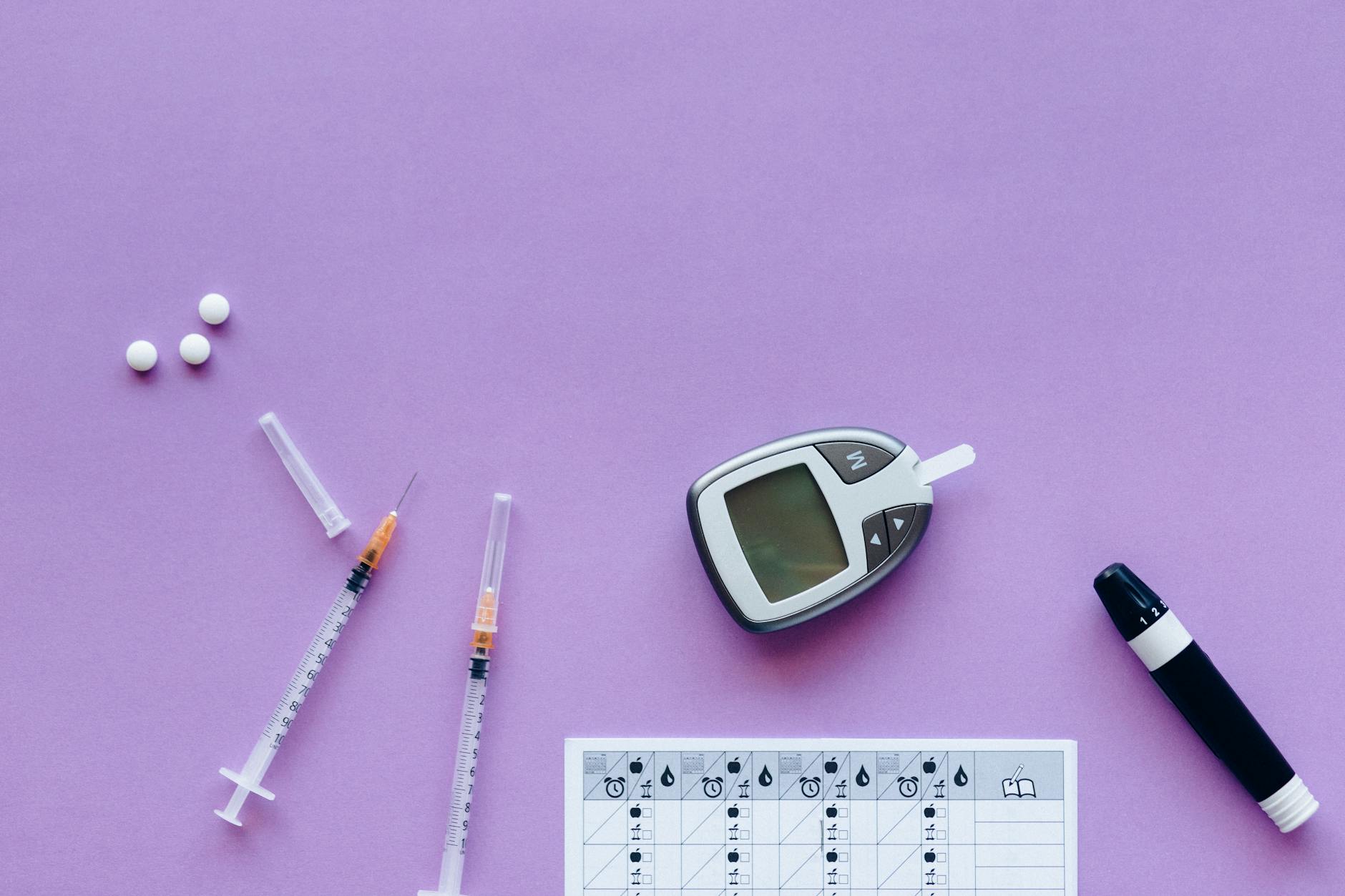
Managing diabetes effectively is a journey, and sometimes, that journey requires specific medications to keep blood sugar levels in check. One such medication your doctor might discuss with you is Tresiba, also known by its generic name, insulin degludec. This long-acting insulin injection plays a vital role in helping individuals with type 1 and type 2 diabetes maintain stable glucose levels throughout the day and night. Let's explore what Tresiba is, how it works, its potential benefits, and what you need to know as a patient in India.
Tresiba is a type of insulin called a long-acting basal insulin. Think of it as a slow-release fuel for your body. Unlike rapid-acting insulins that work quickly after meals, Tresiba is designed to provide a steady background level of insulin for an extended period, typically up to 42 hours. This consistent action helps to lower and control your blood sugar levels, preventing them from spiking too high.
For individuals with type 1 diabetes, their bodies do not produce insulin. For those with type 2 diabetes, their bodies may not produce enough insulin or may not use it effectively. Tresiba steps in to supplement or replace the insulin that your body needs. It works by helping your body move glucose from your blood into your cells, where it can be used for energy. This process is essential for preventing the long-term complications associated with uncontrolled diabetes.
Tresiba is prescribed for both adults and children (aged one year and older) with type 1 diabetes. It is also used for adults with type 2 diabetes. Your doctor will determine if Tresiba is the right choice for you based on your specific type of diabetes, your overall health, and how well other treatments are working.
Imagine Mrs. Sharma, a 55-year-old homemaker diagnosed with type 2 diabetes five years ago. She has been managing her condition with oral medications and a healthy diet, but her fasting blood sugar levels are still often above the target range. Her doctor believes adding a long-acting insulin like Tresiba could provide the consistent control she needs, especially as she finds it difficult to manage blood sugar fluctuations between meals and overnight.
The primary benefit of Tresiba is its ability to provide long-lasting and predictable blood sugar control. Its extended duration of action offers flexibility in dosing times, which can be a significant advantage for busy individuals. This can lead to:
Tresiba is administered as a subcutaneous injection, meaning it's injected just under the skin. It comes in a pre-filled pen device, making it relatively easy to use. Your doctor or a diabetes educator will show you the correct technique for injecting Tresiba. Here are some general guidelines:
Like all medications, Tresiba can cause side effects. It's important to be aware of these and discuss any concerns with your doctor. The most common side effect associated with insulin therapy is:
This occurs when your blood sugar drops too low. Symptoms can include shakiness, sweating, dizziness, confusion, rapid heartbeat, and hunger. If you experience mild hypoglycemia, you should consume 15 grams of fast-acting carbohydrates, such as:
Check your blood sugar again after 15 minutes. If it's still low, repeat the process. If you experience severe hypoglycemia, which can lead to loss of consciousness, seizures, or coma, seek immediate medical attention by calling emergency services (like 108 in India) or going to the nearest hospital.
Other less common side effects may include:
Important Note: If you experience any signs of a severe allergic reaction, such as rash all over your body, difficulty breathing, or swelling of your face, lips, tongue, or throat, seek emergency medical help immediately.
Your doctor might prescribe Tresiba in combination with other diabetes treatments. For type 1 diabetes, it's often used with a rapid-acting insulin. For type 2 diabetes, Tresiba may be prescribed alongside oral diabetes medications.
For instance, if you have type 1 diabetes, your doctor may recommend taking a short-acting insulin about 30 minutes before meals to manage post-meal blood sugar spikes, with Tresiba providing the background coverage. If you have type 2 diabetes, Tresiba might be combined with pills that help improve your body's sensitivity to insulin or stimulate more insulin production.
It's essential to maintain open communication with your healthcare provider. Consult your doctor if you experience:
While Tresiba is a powerful tool for managing blood sugar, it's part of a larger diabetes care plan. Consistent use of Tresiba, combined with:
will help prevent long-term diabetes complications such as heart disease, kidney problems, nerve damage, and eye issues.
No, you should never mix Tresiba with any other type of insulin in the same injection. This includes mixing it with rapid-acting insulins or insulins for type 2 diabetes.
Tresiba is a very long-acting insulin, providing coverage for up to 42 hours. However, it is typically taken once daily.
Yes, your doctor can help you transition from another long-acting insulin to Tresiba. They will provide specific instructions on how to make the switch and adjust your dosage as needed.
Taking too much Tresiba can lead to severe hypoglycemia. If you suspect you have taken too much, check your blood sugar immediately and follow the steps for treating hypoglycemia. Contact your doctor or seek emergency medical help if your blood sugar does not stabilize or if you experience severe symptoms.
Disclaimer: This information is for general knowledge and informational purposes only, and does not constitute medical advice. It is essential to consult with a qualified healthcare professional for any health concerns or before making any decisions related to your health or treatment.
Visit Hospital
Near You

Confused about whether CBD can get you high? Understand the difference between CBD and THC, their effects on your body, and what to look for in safe, non-intoxicating CBD products.
April 1, 2026

Learn about anticoagulants and antiplatelet drugs, often called blood thinners. Understand how they prevent blood clots, when they're prescribed, their side effects, and essential safety tips for Indian readers.
April 1, 2026

Confused about Plan B and abortion pills? Understand the key differences, how they work, and their effectiveness for informed reproductive health decisions.
April 1, 2026