

Emergency & Help
24/7 Emergency & General Advisory
🚨 24/7 Medical Emergency
Non-Emergency Advisory
10:00 AM – 6:00 PM, Mon–Sat
For appointments & general queries.
24/7 Emergency & General Advisory
🚨 24/7 Medical Emergency
Non-Emergency Advisory
10:00 AM – 6:00 PM, Mon–Sat
For appointments & general queries.
Stay updated with our latest healthcare news and your appointments.
Understand Tresiba (insulin degludec) dosage for type 1 and type 2 diabetes. Learn about forms, strengths, starting doses, adjustments, and safe injection practices for Indian readers.
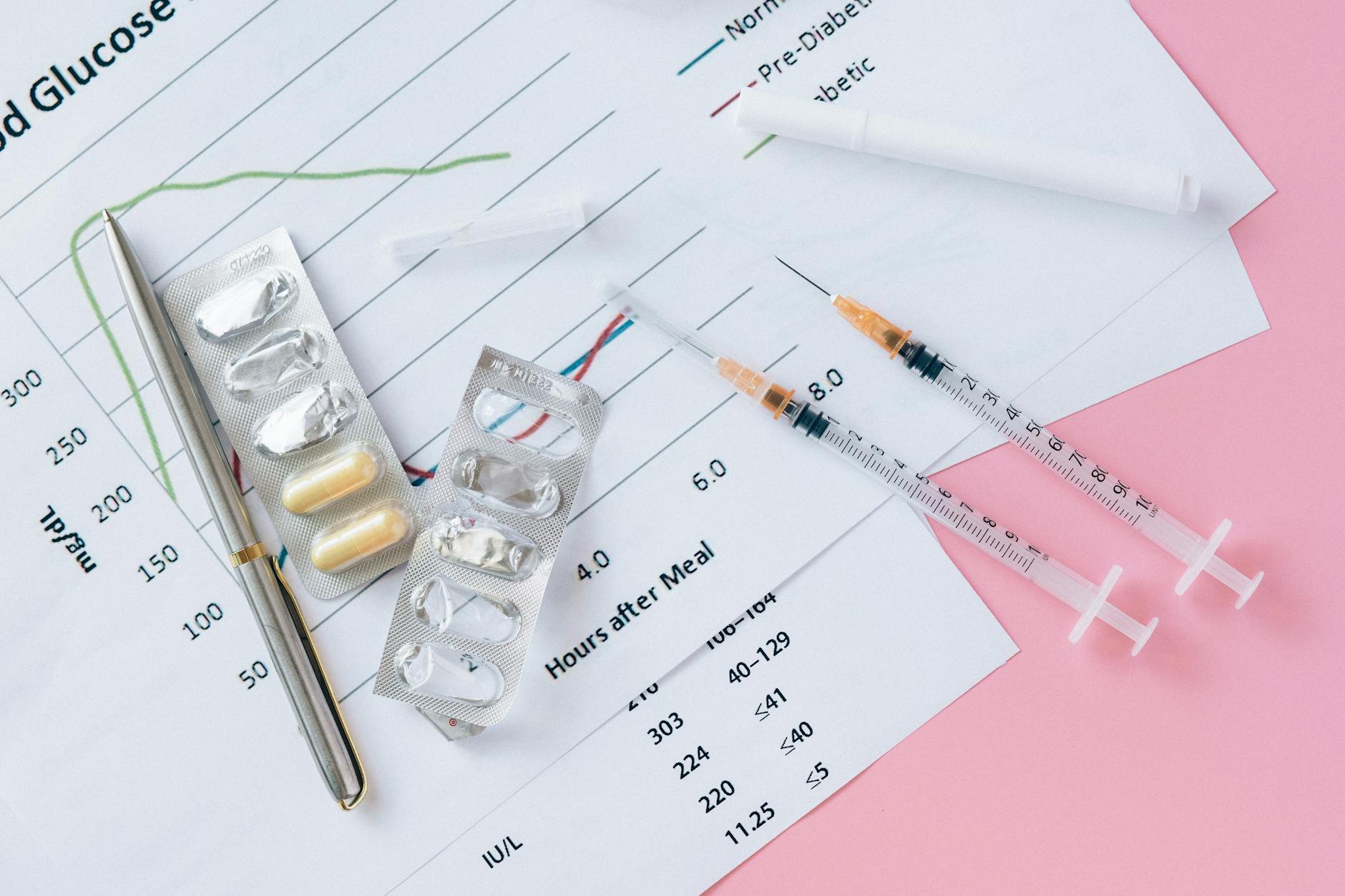
Managing diabetes requires careful attention to medication, and for many, this includes insulin. Tresiba, a long-acting insulin brand, plays a significant role in keeping blood sugar levels stable for individuals with both type 1 and type 2 diabetes. Understanding how Tresiba is dosed, its different forms, and how your doctor determines the right amount for you is essential for effective diabetes management. This guide aims to provide clear, practical information tailored for Indian readers, helping you navigate your treatment with confidence.
Tresiba, with the active ingredient insulin degludec, is a type of basal insulin. Basal insulins provide a background level of insulin throughout the day and night, mimicking the body's natural insulin production. Unlike rapid-acting insulins that you take before meals, Tresiba is designed for once-daily injection to provide a steady, long-lasting effect. It helps your body use glucose (sugar) for energy and prevents your liver from producing too much glucose, thereby lowering and controlling your blood sugar levels.
Tresiba comes in two main forms to suit different patient needs and preferences:
The strength you use will depend on your doctor's prescription. The U-200 strength pen contains more insulin in a smaller volume, which can be beneficial for individuals requiring higher doses, as it means smaller injection volumes.
The journey to finding the right Tresiba dosage is highly individual. Your doctor will consider several factors:
For individuals with type 1 diabetes, Tresiba is typically added to an existing regimen that includes rapid-acting insulin for meals. Your starting dose will be carefully calculated. For instance, if your total daily insulin needs are determined to be 50 units, your doctor might prescribe a Tresiba dose ranging from 17 to 25 units for your basal coverage.
Similar to type 1 diabetes, the starting dose for type 2 diabetes depends on your current treatment. If you're not on insulin, your doctor will start with a lower dose and adjust it. If you are already on insulin, they will integrate Tresiba into your existing plan. The goal is always to achieve your target blood sugar range with the least amount of insulin necessary.
Tresiba is approved for managing type 1 and type 2 diabetes in children aged 1 year and older. The dosing principles are the same as for adults, with dosages determined by the child's specific needs, current insulin use, and blood sugar control. For example, if a child's doctor prescribes a total daily insulin dose of 20 units, their Tresiba dose might be set between 7 and 10 units initially.
Finding the perfect Tresiba dose isn't usually a one-time event. It's an ongoing process. Your doctor will monitor your blood sugar levels regularly and make adjustments to your Tresiba dosage as needed. This might happen weekly or monthly, depending on how your body responds and your lifestyle changes.
The aim is to find the lowest effective dose that keeps your blood sugar within your target range, minimizing the risk of both high blood sugar (hyperglycemia) and low blood sugar (hypoglycemia).
Consider Mrs. Sharma, a 55-year-old with type 2 diabetes, who has recently started Tresiba. Initially, her blood sugar levels in the morning were still a bit high, hovering around 180 mg/dL. Her doctor reviewed her daily glucose logs and, seeing a consistent pattern, decided to gradually increase her evening Tresiba dose by 2 units. After a week, her morning readings dropped to a more favorable range of 120-140 mg/dL, showing the effectiveness of the adjustment.
Your doctor or a diabetes educator will provide thorough training on how to administer Tresiba injections correctly. This includes:
Always follow the specific instructions given by your healthcare provider.
Accidentally injecting too much Tresiba can lead to dangerously low blood sugar levels, a condition known as hypoglycemia. Symptoms can include shakiness, sweating, dizziness, rapid heartbeat, confusion, and even loss of consciousness.
If you suspect you have injected too much Tresiba:
It's vital to have a plan and the necessary supplies (like glucose tablets) readily available.
Safe insulin use involves vigilance and adherence to your doctor's plan:
You should speak with your doctor if:
Yes, you can often switch from another long-acting insulin to Tresiba. Your doctor will guide you on the correct starting dose and any necessary adjustments to ensure a safe and effective transition.
Tresiba is a long-acting insulin and is typically injected once daily, at any time of day that works best for you. However, it's recommended to take it at roughly the same time each day to maintain consistent blood sugar control.
Unused, unopened Tresiba vials and FlexTouch pens should be stored in the refrigerator. Once you start using a vial or pen, it can be kept at room temperature (below 86°F or 30°C) for up to 56 days (8 weeks) or refrigerated. Always check the manufacturer's instructions for specific storage guidelines.
The most common side effect is low blood sugar (hypoglycemia). Other potential side effects include injection site reactions (redness, swelling, itching), lipodystrophy, and allergic reactions. Discuss any side effects you experience with your doctor.
There is no maximum recommended dose for Tresiba. Your doctor will determine the dose that is right for you based on your individual needs and blood sugar control.
Disclaimer: This article provides general information about Tresiba dosage and should not replace professional medical advice. Always consult your doctor or a qualified healthcare provider for any questions you may have regarding your medical condition or treatment.
Visit Hospital
Near You

Confused about whether CBD can get you high? Understand the difference between CBD and THC, their effects on your body, and what to look for in safe, non-intoxicating CBD products.
April 1, 2026

Learn about anticoagulants and antiplatelet drugs, often called blood thinners. Understand how they prevent blood clots, when they're prescribed, their side effects, and essential safety tips for Indian readers.
April 1, 2026

Confused about Plan B and abortion pills? Understand the key differences, how they work, and their effectiveness for informed reproductive health decisions.
April 1, 2026