

Emergency & Help
24/7 Emergency & General Advisory
🚨 24/7 Medical Emergency
Non-Emergency Advisory
10:00 AM – 6:00 PM, Mon–Sat
For appointments & general queries.
24/7 Emergency & General Advisory
🚨 24/7 Medical Emergency
Non-Emergency Advisory
10:00 AM – 6:00 PM, Mon–Sat
For appointments & general queries.
Stay updated with our latest healthcare news and your appointments.
Learn about the recommended dosages of Truvada for HIV treatment and prevention (PrEP) in adults, adolescents, and children. Understand how weight and kidney function affect dosing.
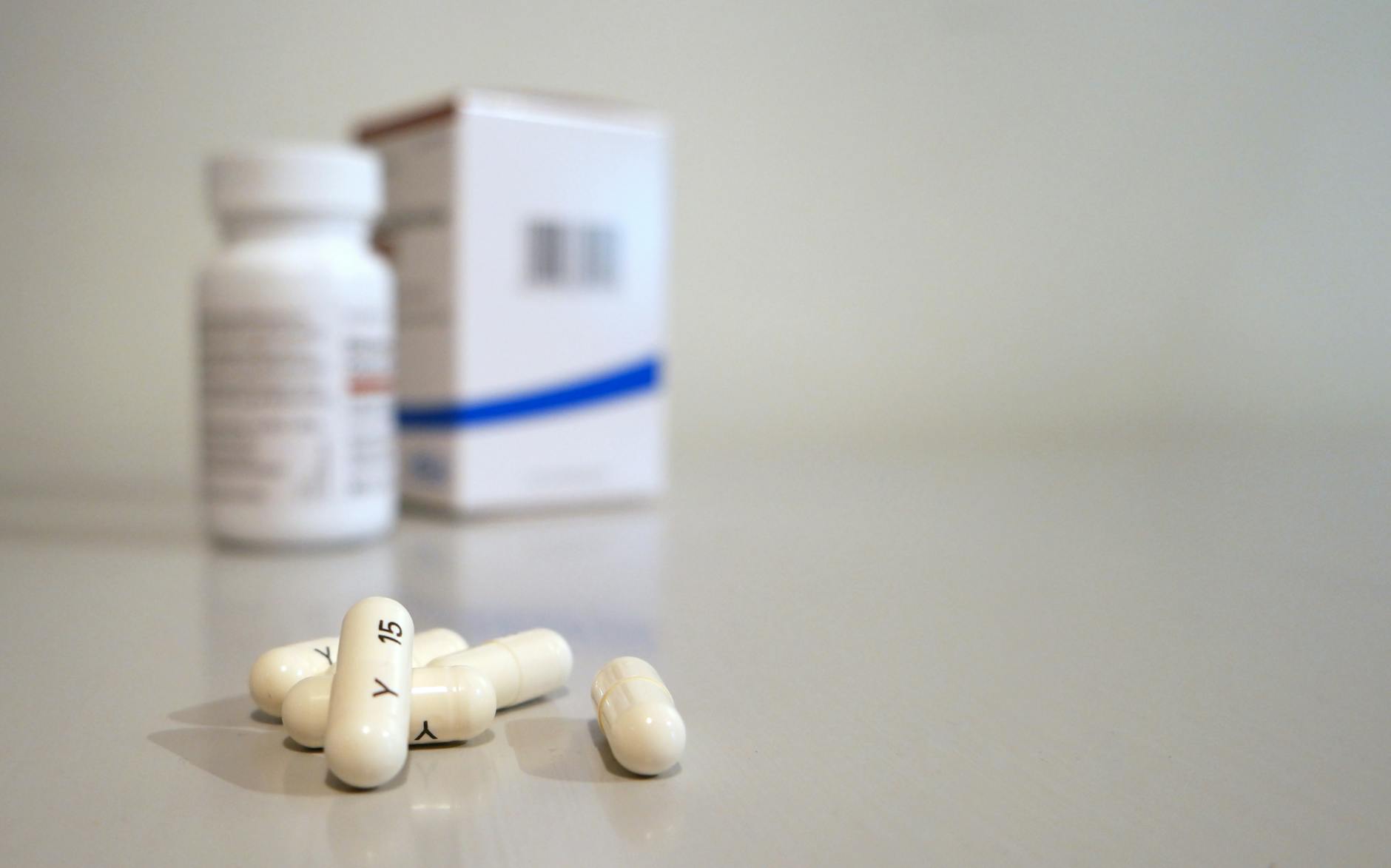
Understanding Truvada Dosage for HIV Treatment and Prevention Truvada, a vital medication in the fight against HIV, plays a crucial role in both treating the virus and preventing its transmission. It is a prescription drug containing two active ingredients: emtricitabine (FTC) and tenofovir disoproxil fumarate (TDF). These work together as nucleoside reverse transcriptase inhibitors (NRTIs) to combat the Human Immunodeficiency Virus. This article will delve into the recommended dosages of Truvada for adults, adolescents, and children, discussing how it's administered and factors that might influence the prescribed dose. It's important to remember that Truvada should only be taken under the guidance of a qualified healthcare professional. What is Truvada and How Does it Work? Truvada is a combination antiretroviral medication used for two primary purposes: HIV Treatment: It is part of a combination therapy to manage existing HIV infection in adults, adolescents, and some children. By inhibiting the virus's ability to replicate, it helps reduce the viral load in the body, allowing the immune system to recover and function more effectively. HIV Prevention (PrEP): Truvada is also prescribed as pre-exposure prophylaxis (PrEP) for individuals who are at high risk of contracting HIV. When taken consistently, PrEP significantly reduces the chances of acquiring the virus through sexual contact or injection drug use. The active ingredients, emtricitabine and tenofovir disoproxil fumarate, work by interfering with the reverse transcriptase enzyme, which HIV needs to multiply. This disruption prevents the virus from making copies of itself, thereby controlling the infection or preventing it from establishing itself in the body. Truvada Dosage for Adults: Treatment and PrEP For adults, the standard dosage of Truvada, whether for treating HIV or for PrEP, is generally consistent. The typical regimen involves taking one oral tablet once daily. HIV Treatment Dosage for Adults The recommended dosage for adults undergoing HIV treatment is one tablet containing 200 mg of emtricitabine (FTC) and 300 mg of tenofovir disoproxil fumarate (TDF) , taken once per day. PrEP Dosage for Adults Similarly, for adults who are prescribed Truvada for PrEP to prevent HIV infection, the dosage is one tablet containing 200 mg FTC/300 mg TDF , taken once daily. Consistent daily intake is crucial for PrEP to be effective. Truvada Dosage for Children and Adolescents The dosage of Truvada for children and adolescents is determined by their body weight, as their smaller body mass requires adjusted doses to ensure safety and efficacy. The medication is available in different strengths to accommodate these needs. Dosage Based on Weight The following dosages are typically prescribed for children and adolescents, with the understanding that a healthcare provider will make the final determination: Children and adolescents weighing at least 35 kg (approximately 77 lbs): The standard adult dose of one tablet containing 200 mg FTC/300 mg TDF, taken once daily. Children weighing 28 kg to 34 kg (approximately 62 lbs to 75 lbs): One tablet containing 167 mg FTC/250 mg TDF, taken once daily. Children weighing 22 kg to 27 kg (approximately 49 lbs to 60 lbs): One tablet containing 133 mg FTC/200 mg TDF, taken once daily. Children weighing 17 kg to 21 kg (approximately 38 lbs to 46 lbs): One tablet containing 100 mg FTC/150 mg TDF, taken once daily. Important Note: Truvada is generally not prescribed for children who weigh less than 17 kg (approximately 38 lbs) or for those who have difficulty swallowing tablets. PrEP for Adolescents Adolescents who meet the weight criteria (at least 35 kg) and are at risk for HIV can be prescribed Truvada for PrEP. The dosage follows the same guideline as for adults: one tablet of 200 mg FTC/300 mg TDF taken once daily. Truvada Strengths and Forms Truvada is available in tablet form for oral administration. The tablets come in different strengths, primarily differing in the milligram (mg) amounts of emtricitabine (FTC) and tenofovir disoproxil fumarate (TDF). These strengths are tailored to provide the appropriate dosage based on the patient's age and weight, as detailed above. How to Take Truvada Truvada is taken orally, usually as a single tablet once a day. It can be taken with or without food. Consistency is key, especially when using Truvada for PrEP. It is recommended to take the tablet at the same time each day to maintain optimal levels of the medication in your body. Tips for Swallowing Tablets For individuals who find it difficult to swallow tablets, several strategies can help: Crushing the tablet: Consult your doctor or pharmacist before crushing any medication. If approved, the tablet can be crushed and mixed with a small amount of soft food (like applesauce or yogurt) or liquid. Using a pill splitter: Some tablets can be split if recommended by your healthcare provider. Seeking alternative formulations: While Truvada is primarily available as a tablet, discuss any swallowing difficulties with your doctor or pharmacist, as they may have other suggestions or be aware of alternative formulations if available. Some pharmacies offer accessible medication containers and labels, including those with scannable codes that can convert text to audio, which might be helpful for some individuals. Dosage Adjustments and Special Considerations Several factors can influence the prescribed dosage of Truvada: Kidney Health For individuals with kidney disease, a doctor may adjust the dosage of Truvada. This often involves measuring creatinine clearance to assess the stage of kidney disease. Patients with impaired kidney function may require a lower dose or less frequent administration to prevent the
In summary, timely diagnosis, evidence-based treatment, and prevention-focused care improve long-term health outcomes.
Visit Hospital
Near You

Confused about whether CBD can get you high? Understand the difference between CBD and THC, their effects on your body, and what to look for in safe, non-intoxicating CBD products.
April 1, 2026

Learn about anticoagulants and antiplatelet drugs, often called blood thinners. Understand how they prevent blood clots, when they're prescribed, their side effects, and essential safety tips for Indian readers.
April 1, 2026

Confused about Plan B and abortion pills? Understand the key differences, how they work, and their effectiveness for informed reproductive health decisions.
April 1, 2026