

Emergency & Help
24/7 Emergency & General Advisory
🚨 24/7 Medical Emergency
Non-Emergency Advisory
10:00 AM – 6:00 PM, Mon–Sat
For appointments & general queries.
24/7 Emergency & General Advisory
🚨 24/7 Medical Emergency
Non-Emergency Advisory
10:00 AM – 6:00 PM, Mon–Sat
For appointments & general queries.
Stay updated with our latest healthcare news and your appointments.
A comprehensive guide to Epidiolex dosage for Dravet syndrome, Lennox-Gastaut syndrome, and tuberous sclerosis complex, including pediatric use and overdose information.
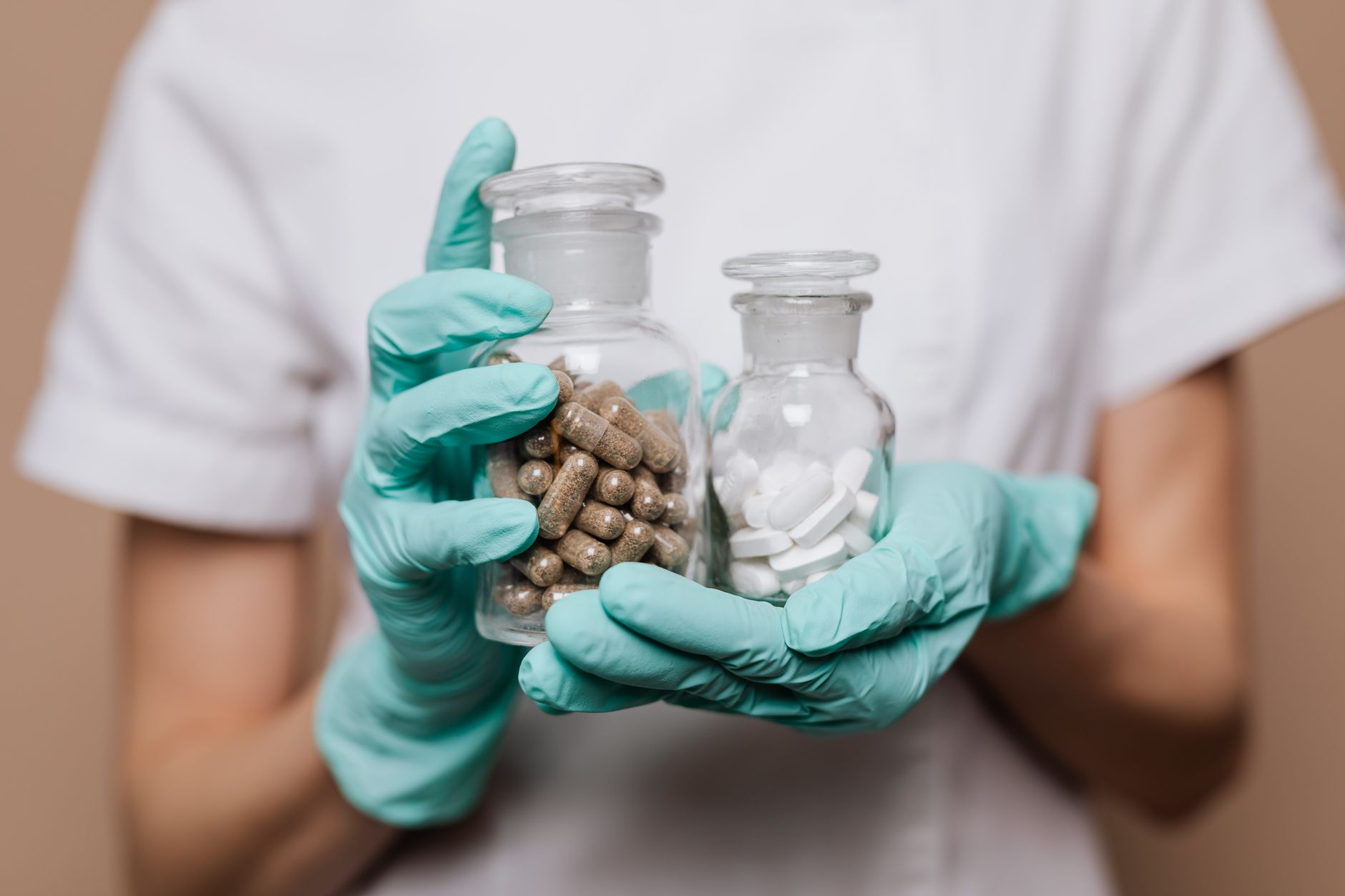
What is Epidiolex and What is it Used For? Epidiolex, with the active ingredient cannabidiol (CBD), is a prescription medication belonging to the cannabinoid drug class. It is specifically approved for treating certain seizure disorders, particularly epilepsy syndromes that manifest in infancy and childhood. These include Dravet syndrome and Lennox-Gastaut syndrome. Additionally, it is used for seizures associated with the tumors of tuberous sclerosis complex (TSC). Epidiolex is administered as a liquid solution that is swallowed and is typically taken twice daily. It is available in specific concentrations and bottle sizes, making it accessible for both adults and children aged 1 year and older. Epidiolex Concentration and Availability Epidiolex is available in a single concentration: 100 milligrams (mg) of CBD per milliliter (mL) of solution. This ensures a consistent strength for effective treatment. The medication comes in two bottle sizes: 60 mL and 100 mL, providing options for different treatment durations and needs. Dosage Guidelines for Dravet Syndrome and Lennox-Gastaut Syndrome For individuals experiencing seizures due to Dravet syndrome or Lennox-Gastaut syndrome, the treatment with Epidiolex typically begins with a starting dosage of 2.5 mg per kilogram (kg) of body weight, administered twice daily. After approximately one week, if the patient tolerates this initial dose well with minimal side effects, the doctor may increase the dosage to 5 mg/kg twice daily. This gradual increase allows the body to adapt to the medication. In cases where further seizure control is needed and the medication is well-tolerated, the doctor may prescribe a maximum dosage of up to 10 mg/kg twice daily. It is crucial to follow the doctor's prescription precisely, as they will determine the optimal dosage based on individual response and tolerance. Dosage Guidelines for Tuberous Sclerosis Complex (TSC) When treating seizures associated with the tumors of tuberous sclerosis complex, the dosage regimen for Epidiolex also starts at 2.5 mg/kg twice per day. However, the titration schedule and maintenance dosage differ. Each week, the doctor can increase the dosage by 5 mg/kg per day, which translates to an increase of 2.5 mg/kg per dose. This allows for a more gradual escalation of the dose. If the increased dosage continues to be well-tolerated with few side effects, the doctor will eventually prescribe the recommended maintenance dosage, which is typically 12.5 mg/kg twice per day. This higher maintenance dose reflects the specific needs for managing seizures in TSC. Dosage for Children Epidiolex can be prescribed to children as young as 1 year old. The dosage for children is calculated using the same principles as for adults, based on their body weight (mg/kg). The child's doctor will initiate treatment with a starting dose of 2.5 mg/kg twice per day. Similar to adults, the dosage may be increased weekly, depending on the child's specific condition, their response to the medication, and the presence of any side effects. The doctor's careful monitoring is essential to ensure the safety and efficacy of Epidiolex in pediatric patients. The maximum recommended dosages for children are the same as for adults, tailored to their specific syndrome. Maximum Recommended Dosages The maximum dosage of Epidiolex is determined by the condition being treated: For Dravet Syndrome and Lennox-Gastaut Syndrome: The maximum recommended dosage is 10 mg/kg twice per day, totaling 20 mg/kg per day. For Tuberous Sclerosis Complex (TSC): The maximum recommended dosage is 12.5 mg/kg twice per day, totaling 25 mg/kg per day. These maximum dosages are established to ensure safety while providing effective seizure control. Exceeding these limits should only be done under strict medical supervision. How to Take Epidiolex Epidiolex is formulated as a liquid solution and is meant to be swallowed. It can be taken with or without food, but consistency is key. Taking the medication at the same times each day helps maintain a steady level in the body, which is important for effective seizure management. In cases where swallowing is difficult, Epidiolex can also be administered through a feeding tube. Always follow your doctor's specific instructions regarding the timing and method of administration. What to Do in Case of an Overdose If you suspect that you or someone else has taken too much Epidiolex, it is crucial to seek medical attention immediately. Contact your doctor right away. You can also call 800-222-1222 to reach America’s Poison Centers or utilize their online resources for guidance. However, if severe symptoms are present, such as difficulty breathing, extreme drowsiness, or loss of consciousness, call 911 (or your local emergency number) immediately or go to the nearest emergency room. Prompt action is vital in managing overdose situations. Factors Influencing Dosage The prescribed dosage of Epidiolex is highly individualized. Several factors can influence the amount of medication prescribed, including: Medical History: Pre-existing health conditions can affect how a patient responds to Epidiolex. Body Weight: As dosages are calculated on a mg/kg basis, changes in weight can necessitate dosage adjustments. Individual Response: Each person's body reacts differently to medication. Doctors monitor for effectiveness and side effects to fine-tune the dosage. Tolerability: The presence and severity of side effects play a significant role in determining the appropriate dosage. Your doctor will work closely with you to determine the smallest effective dosage that provides the desired seizure control with minimal side effects. Regular follow-ups are essential for ongoing management and potential dosage adjustments. When to Consult a Doctor It is essential to consult your doctor in the following situations: Before starting Epidiolex to determine
In summary, timely diagnosis, evidence-based treatment, and prevention-focused care improve long-term health outcomes.
Visit Hospital
Near You

Confused about whether CBD can get you high? Understand the difference between CBD and THC, their effects on your body, and what to look for in safe, non-intoxicating CBD products.
April 1, 2026

Learn about anticoagulants and antiplatelet drugs, often called blood thinners. Understand how they prevent blood clots, when they're prescribed, their side effects, and essential safety tips for Indian readers.
April 1, 2026

Confused about Plan B and abortion pills? Understand the key differences, how they work, and their effectiveness for informed reproductive health decisions.
April 1, 2026