

Emergency & Help
24/7 Emergency & General Advisory
🚨 24/7 Medical Emergency
Non-Emergency Advisory
10:00 AM – 6:00 PM, Mon–Sat
For appointments & general queries.
24/7 Emergency & General Advisory
🚨 24/7 Medical Emergency
Non-Emergency Advisory
10:00 AM – 6:00 PM, Mon–Sat
For appointments & general queries.
Stay updated with our latest healthcare news and your appointments.
A comprehensive guide for Indian patients on understanding Hydrea dosage, its uses, how it's determined, and important safety considerations. Learn about side effects, long-term use, and when to consult your doctor.
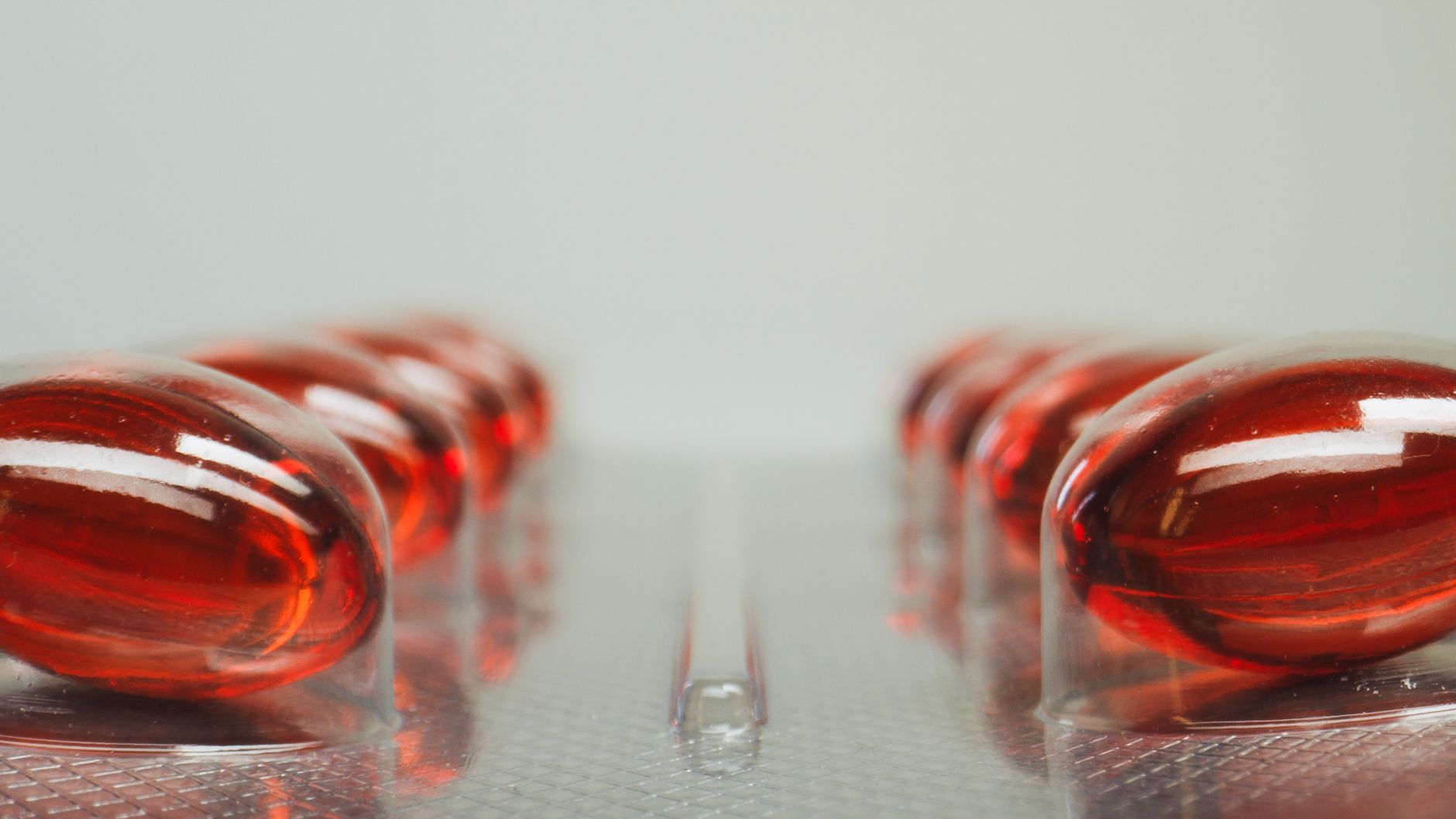
Navigating cancer treatment can feel overwhelming, and understanding your medication is a vital part of the journey. Hydrea, a powerful prescription drug, plays a significant role in managing certain types of blood and skin cancers. For patients in India, grasping the nuances of its dosage, how it works, and what to expect is absolutely essential for effective treatment and safety. This guide aims to demystify Hydrea dosage, offering clear, practical information tailored for you.
Hydrea, with its active ingredient hydroxyurea, belongs to a class of drugs known as antimetabolites. These medications work by interfering with the growth of cancer cells, slowing down or stopping their progression. In India, Hydrea is prescribed for specific conditions in adults, including:
The decision to use Hydrea is always made by your doctor, considering the specific type and stage of your cancer, your overall health, and how you might respond to treatment.
The beauty of effective cancer treatment lies in its personalization. Hydrea dosage isn't a one-size-fits-all prescription. Your doctor will carefully calculate the right amount for you based on several factors:
Your doctor will explain the rationale behind your specific dosage, ensuring you understand why it's the right one for you.
In India, Hydrea is typically available as capsules that you swallow whole. The most common strength you'll encounter is 500 milligrams (mg) per capsule. It's crucial to swallow the capsules whole and not to crush, chew, or open them unless specifically instructed by your healthcare provider. This ensures the medication is released correctly in your body.
The manufacturer doesn't provide a universal dosage recommendation for Chronic Myeloid Leukemia (CML) because it's so highly individualized. Your doctor will tailor it precisely to your situation.
For squamous cell cancer of the head and neck, when used alongside chemotherapy and radiation, a specific manufacturer dosage isn't typically highlighted either. Again, the dosage is carefully determined based on your unique medical profile and the treatment plan devised by your oncology team.
Your doctor might prescribe a dosage of 1,000 mg per day, often divided into two doses. However, this is just an example, and your actual prescription could differ significantly. Always adhere strictly to the dosage prescribed by your doctor.
Swallow the capsules whole with a full glass of water. You can take Hydrea with or without food, but consistency is key. Try to take your doses at the same time(s) each day to maintain a steady level of the medication in your system. If you miss a dose, take it as soon as you remember, unless it's almost time for your next dose. In that case, skip the missed dose and continue with your regular schedule. Do not double up on doses.
We've touched on this, but it bears repeating: kidney health is paramount when taking Hydrea. If you have kidney disease, your doctor will monitor your kidney function closely and adjust your dosage accordingly. It's essential to inform your doctor about any pre-existing kidney conditions before starting Hydrea. Regular blood tests will likely be part of your monitoring plan to ensure your kidneys are handling the medication safely.
Yes, Hydrea is often prescribed as a long-term treatment. If your doctor finds that Hydrea is effectively managing your condition and is well-tolerated, you may continue taking it for an extended period. This decision is always a collaborative one between you and your healthcare team, based on ongoing assessments of your health and treatment response.
The manufacturer does not specify a universal maximum dose for Hydrea. Your doctor is the ultimate authority on determining the highest safe and effective dose for your specific situation. They will base this on your condition, weight, kidney function, age, and tolerance to the medication. Never attempt to self-adjust your dosage or take more than prescribed.
Accidental overdose is a serious concern. If you suspect you've taken too much Hydrea, it's crucial to act immediately:
Like all medications, Hydrea can cause side effects. Common ones might include nausea, vomiting, diarrhea, mouth sores, and changes in blood cell counts. Your doctor will monitor you closely through regular blood tests to check for these effects and manage them proactively. It's vital to report any new or worsening symptoms to your doctor promptly.
Always maintain open communication with your healthcare provider. You should consult your doctor immediately if you:
Understanding your Hydrea dosage is a key part of taking control of your cancer treatment. By staying informed and working closely with your medical team, you can navigate this path with greater confidence. Remember, this information is a guide; your doctor's advice is always paramount.
Visit Hospital
Near You

Confused about whether CBD can get you high? Understand the difference between CBD and THC, their effects on your body, and what to look for in safe, non-intoxicating CBD products.
April 1, 2026

Learn about anticoagulants and antiplatelet drugs, often called blood thinners. Understand how they prevent blood clots, when they're prescribed, their side effects, and essential safety tips for Indian readers.
April 1, 2026

Confused about Plan B and abortion pills? Understand the key differences, how they work, and their effectiveness for informed reproductive health decisions.
April 1, 2026