

Emergency & Help
24/7 Emergency & General Advisory
🚨 24/7 Medical Emergency
Non-Emergency Advisory
10:00 AM – 6:00 PM, Mon–Sat
For appointments & general queries.
24/7 Emergency & General Advisory
🚨 24/7 Medical Emergency
Non-Emergency Advisory
10:00 AM – 6:00 PM, Mon–Sat
For appointments & general queries.
Stay updated with our latest healthcare news and your appointments.
Learn about methylprednisolone, a corticosteroid used for inflammatory and autoimmune conditions. Understand its uses, common and serious side effects, dosage, precautions, and when to seek medical help.
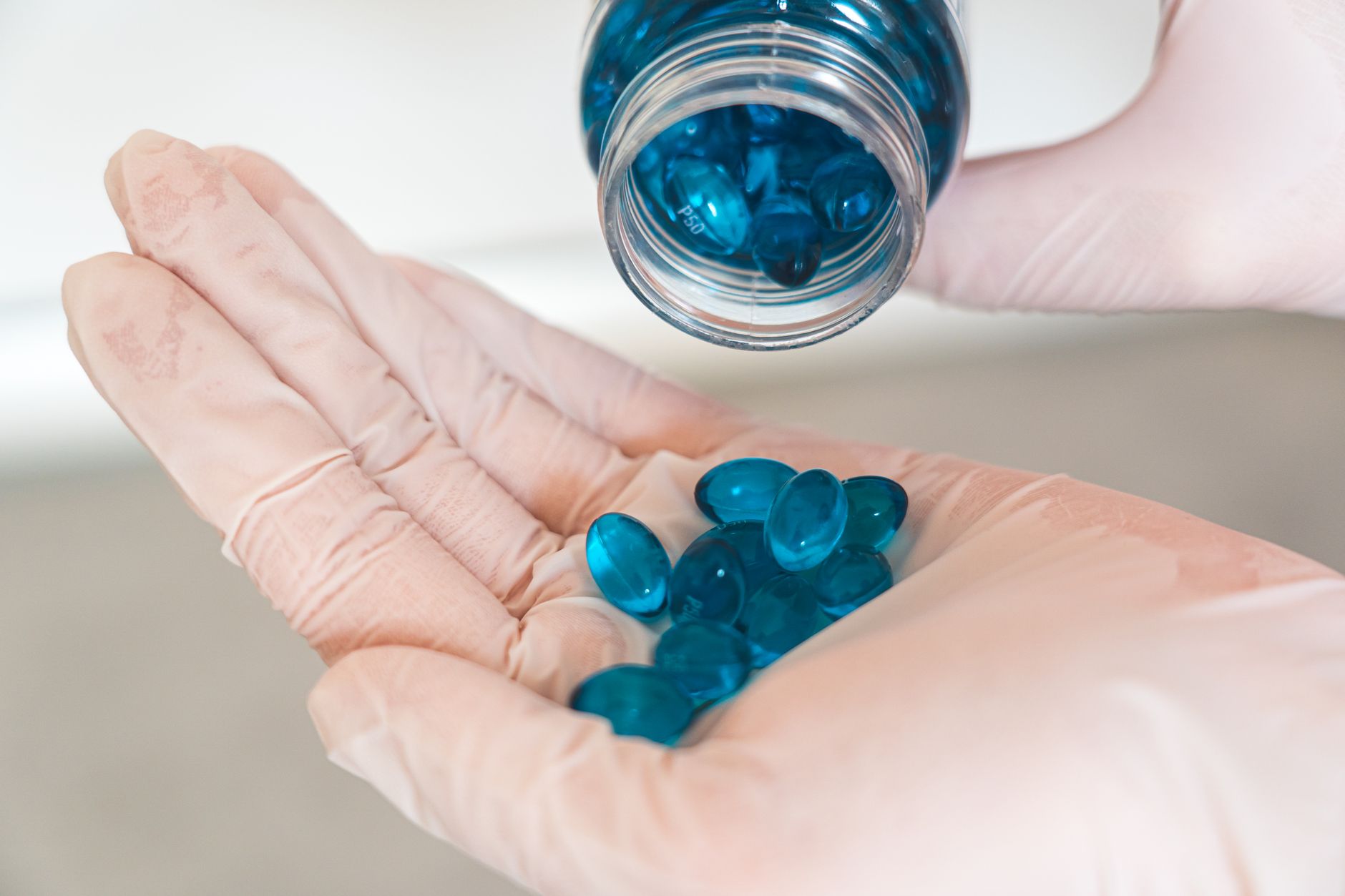
Methylprednisolone is a powerful corticosteroid medication prescribed to manage a variety of inflammatory and autoimmune conditions. It works by reducing inflammation and suppressing the immune system, offering relief for conditions ranging from severe allergies and asthma to autoimmune diseases like lupus and rheumatoid arthritis. While effective, it's crucial for patients in India to understand its potential side effects, proper usage, and when to seek medical advice. This article aims to provide a comprehensive overview of methylprednisolone, tailored for an Indian audience, covering its uses, common and serious side effects, dosage considerations, and important precautions.
Methylprednisolone is a synthetic glucocorticoid, a type of steroid hormone. It is available in various forms, including oral tablets and injections. This article focuses on the oral tablet form. It is a prescription medication, meaning it should only be taken under the guidance of a qualified healthcare professional. Its primary action is to reduce inflammation and modulate the immune response, making it a valuable tool in treating conditions where the body's immune system is overactive or causing significant inflammation.
Methylprednisolone is prescribed for a wide array of medical conditions. Some of the common uses include:
Methylprednisolone functions by mimicking the effects of hormones produced by the adrenal glands. It reduces the activity of the immune system and decreases the production of substances that cause inflammation. This leads to a reduction in swelling, redness, pain, and other symptoms associated with inflammation and overactive immune responses.
The dosage of methylprednisolone is highly individualized and depends on several factors, including the condition being treated, its severity, the patient's age, and their overall health. It is crucial to follow your doctor's prescription precisely. Methylprednisolone tablets are typically swallowed whole with a glass of water. Do not crush, chew, or break the tablet unless specifically instructed by your doctor or pharmacist. The duration of treatment can also vary significantly, from short-term high doses to longer-term lower doses.
Important Note on Dosage: It's worth noting that the risk and severity of side effects can sometimes be related to the dosage. For instance, a lower dose like 4 mg might lead to fewer or milder side effects compared to a higher dose like 32 mg. Always discuss any concerns about dosage with your healthcare provider.
While methylprednisolone is effective, like all medications, it can cause side effects. Some side effects are mild and may resolve on their own as your body adjusts to the medication. Common mild side effects include:
If any of these mild side effects are persistent or bothersome, consult your doctor or pharmacist. Do not stop taking the medication abruptly without medical advice.
In some individuals, methylprednisolone can cause more serious side effects. It is vital to be aware of these and seek immediate medical attention if they occur:
Immediate Medical Attention: If you experience symptoms of a severe allergic reaction, such as difficulty breathing or swelling of the face/throat, call emergency services (like 108 or 112 in India) immediately. If you develop serious side effects, contact your doctor right away. If side effects seem life-threatening, seek emergency medical care.
Before starting methylprednisolone, inform your doctor about your complete medical history, including:
Drug Interactions: Methylprednisolone can interact with other medications. Inform your doctor about all the medicines, supplements, and herbal products you are currently taking to avoid potential interactions.
Alcohol: Avoid consuming alcohol while taking methylprednisolone, as it can increase the risk of stomach problems.
Vaccinations: Live vaccines should generally be avoided while taking methylprednisolone, as it can weaken the immune system and reduce vaccine effectiveness.
Long-term use: Prolonged use of methylprednisolone can lead to significant side effects. Your doctor will aim to use the lowest effective dose for the shortest possible duration.
Withdrawal: Never stop taking methylprednisolone abruptly, especially after long-term use. Your doctor will guide you on a gradual tapering schedule to prevent withdrawal symptoms and adrenal insufficiency.
You should consult your doctor immediately if you experience any of the following:
A1: No, it is crucial not to stop methylprednisolone suddenly, especially if you have been taking it for a while. Abruptly stopping can lead to withdrawal symptoms and potentially serious health issues like adrenal insufficiency. Always follow your doctor's instructions for tapering the dosage.
A2: The onset of action can vary depending on the condition being treated. For some acute inflammatory conditions, relief may be felt within a few hours to a couple of days. For chronic conditions, it might take longer to see the full therapeutic effect.
A3: Yes, long-term use of methylprednisolone can be associated with several long-term health problems, including osteoporosis, increased risk of infections, cataracts, glaucoma, weight gain, and adrenal suppression. This is why doctors aim for the shortest effective duration and lowest possible dose.
A4: Methylprednisolone should only be used during pregnancy if the potential benefit justifies the potential risk to the fetus. Discuss this thoroughly with your doctor, who can weigh the risks and benefits based on your specific situation.
A5: If you miss a dose, take it as soon as you remember, unless it is almost time for your next dose. In that case, skip the missed dose and continue with your regular dosing schedule. Do not double the dose to catch up. If you are unsure, contact your doctor or pharmacist for advice.
Disclaimer: This information is intended for educational purposes only and does not constitute medical advice. Always consult with a qualified healthcare professional for any health concerns or before making any decisions related to your health or treatment.
Visit Hospital
Near You

Confused about whether CBD can get you high? Understand the difference between CBD and THC, their effects on your body, and what to look for in safe, non-intoxicating CBD products.
April 1, 2026

Learn about anticoagulants and antiplatelet drugs, often called blood thinners. Understand how they prevent blood clots, when they're prescribed, their side effects, and essential safety tips for Indian readers.
April 1, 2026

Confused about Plan B and abortion pills? Understand the key differences, how they work, and their effectiveness for informed reproductive health decisions.
April 1, 2026