

Emergency & Help
24/7 Emergency & General Advisory
🚨 24/7 Medical Emergency
Non-Emergency Advisory
10:00 AM – 6:00 PM, Mon–Sat
For appointments & general queries.
24/7 Emergency & General Advisory
🚨 24/7 Medical Emergency
Non-Emergency Advisory
10:00 AM – 6:00 PM, Mon–Sat
For appointments & general queries.
Stay updated with our latest healthcare news and your appointments.
A comprehensive guide to Sunosi dosage for Indian patients, covering narcolepsy and OSA, strengths, how to take it, and factors affecting dosage.
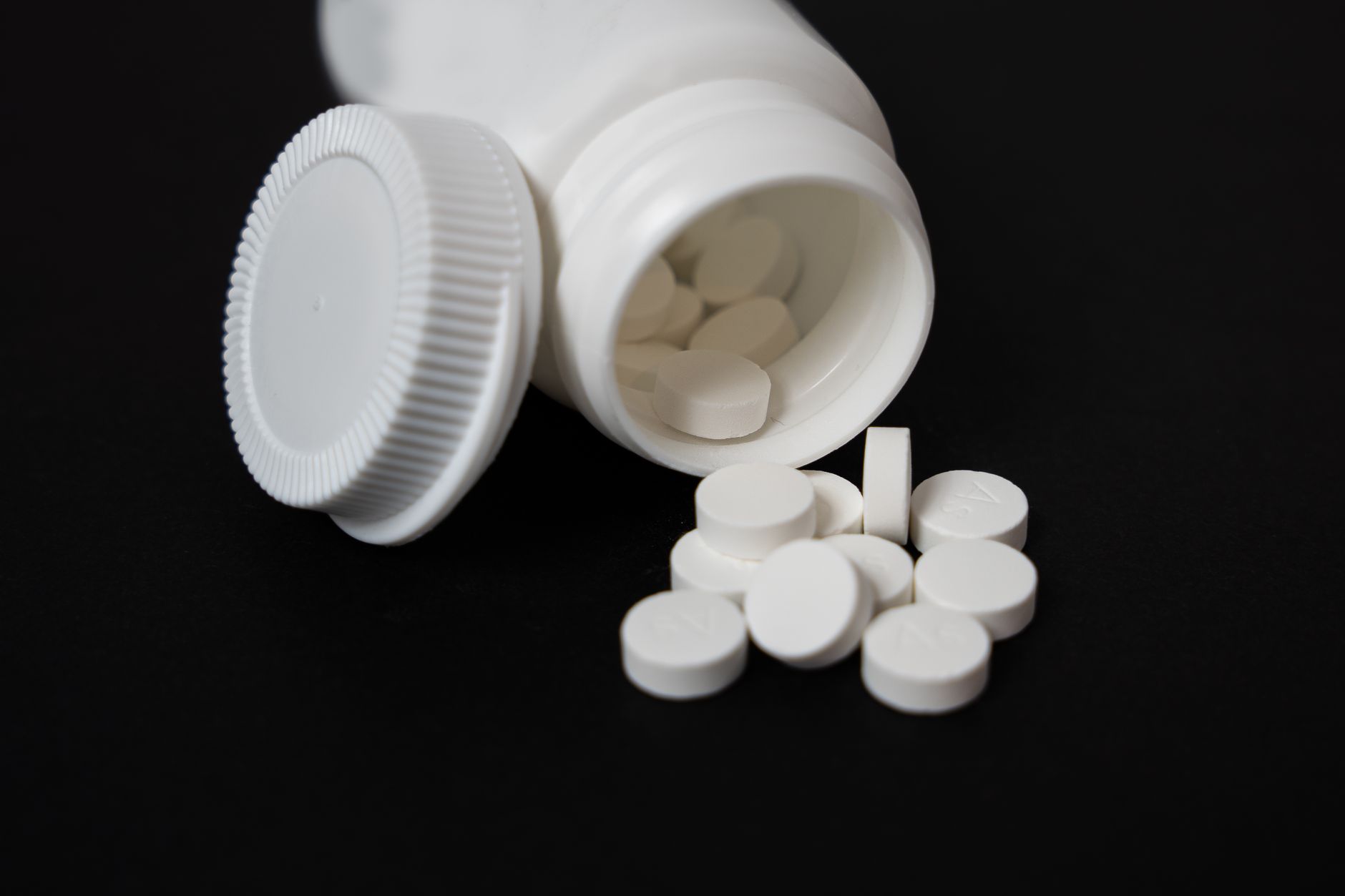
Excessive daytime sleepiness (EDS) can significantly impact your quality of life, affecting your work, relationships, and overall well-being. In India, where busy lifestyles and demanding schedules are common, managing EDS is crucial. Sunosi, a prescription medication containing the active ingredient solriamfetol, is used to treat EDS in adults with narcolepsy or obstructive sleep apnea (OSA). This guide provides a detailed overview of Sunosi dosage, its strengths, how to take it, and important considerations for patients in India.
Sunosi belongs to a class of drugs known as dopamine and norepinephrine reuptake inhibitors (NDRIs). It works by increasing the levels of dopamine and norepinephrine in the brain, which are neurotransmitters that play a role in wakefulness. By enhancing these neurotransmitters, Sunosi helps to reduce excessive sleepiness during the day.
Sunosi is available in tablet form and is typically taken once daily. It comes in two strengths:
For patients who require a lower dose, such as 37.5 mg, the 75 mg tablet can be halved. It is essential to follow your doctor's specific instructions regarding dosage and how to administer the medication.
For adults diagnosed with narcolepsy, the recommended starting dosage for Sunosi is 75 mg, taken once daily upon waking. Your doctor may gradually increase this dosage every three days, depending on your response and tolerance, until the optimal dosage is found. The maximum recommended dosage for narcolepsy is 150 mg per day.
If you have obstructive sleep apnea and are experiencing excessive daytime sleepiness, the recommended starting dosage for Sunosi is 37.5 mg, taken once daily upon waking. Similar to narcolepsy, your doctor may adjust the dosage every three days as needed. The maximum daily dosage for OSA is also 150 mg.
Sunosi is an oral medication that should be swallowed whole with water. It is crucial to take Sunosi exactly as prescribed by your doctor. Do not crush, chew, or break the tablets unless specifically instructed to do so (e.g., halving the 75 mg tablet for a 37.5 mg dose).
To avoid interfering with nighttime sleep, it is important not to take Sunosi within 9 hours of your planned bedtime. Taking the medication too close to sleep can make it difficult to fall asleep.
Several factors can influence the appropriate dosage of Sunosi for an individual:
For individuals with moderate kidney disease, the starting dosage is typically 37.5 mg once daily. This may be increased after seven days, with a maximum dosage of 75 mg once daily. Patients with severe kidney disease will have both a starting and maximum dosage of 37.5 mg once daily.
While not explicitly detailed in the provided information, patients with liver impairment may also require dosage adjustments. Always discuss your complete medical history, including any liver or kidney conditions, with your doctor.
Generally, older adults do not require a lower dose of Sunosi. However, due to a higher likelihood of kidney issues in older populations, dosage adjustments may be necessary based on kidney function.
Sunosi is often compared to other medications used for EDS, such as Provigil (modafinil) and Adderall (amphetamine/dextroamphetamine). It's important to understand that these medications have different active ingredients and mechanisms of action. Therefore, direct milligram-to-milligram comparisons are not accurate.
Your doctor will determine the most suitable medication and dosage based on your specific condition, medical history, and response to treatment.
It is essential to consult with your doctor before starting Sunosi or if you have any questions about your dosage. You should seek medical advice if you experience any of the following:
Like all medications, Sunosi can cause side effects. Common side effects may include headache, nausea, decreased appetite, anxiety, and insomnia. If you experience any severe or persistent side effects, contact your doctor immediately.
Sunosi is an effective treatment option for excessive daytime sleepiness in adults with narcolepsy and OSA. Understanding the correct dosage, how to take the medication, and potential influencing factors is vital for safe and effective treatment. Always adhere to your doctor's prescription and discuss any concerns you may have. This guide aims to provide clear information for patients in India, but it is not a substitute for professional medical advice.
This section adds practical context and preventive advice to help readers make informed healthcare decisions. It is important to verify symptoms early, consult qualified doctors, and avoid self-medication for persistent health issues.
Maintaining healthy routines, following prescribed treatment plans, and attending regular checkups can improve outcomes. If symptoms worsen or red-flag signs appear, immediate medical evaluation is recommended.
Track symptoms and duration.
Follow diagnosis and treatment from a licensed practitioner.
Review medication side effects with your doctor.
Seek urgent care for severe warning signs.
Visit Hospital
Near You

Confused about whether CBD can get you high? Understand the difference between CBD and THC, their effects on your body, and what to look for in safe, non-intoxicating CBD products.
April 1, 2026

Learn about anticoagulants and antiplatelet drugs, often called blood thinners. Understand how they prevent blood clots, when they're prescribed, their side effects, and essential safety tips for Indian readers.
April 1, 2026

Confused about Plan B and abortion pills? Understand the key differences, how they work, and their effectiveness for informed reproductive health decisions.
April 1, 2026