

Emergency & Help
24/7 Emergency & General Advisory
🚨 24/7 Medical Emergency
Non-Emergency Advisory
10:00 AM – 6:00 PM, Mon–Sat
For appointments & general queries.
24/7 Emergency & General Advisory
🚨 24/7 Medical Emergency
Non-Emergency Advisory
10:00 AM – 6:00 PM, Mon–Sat
For appointments & general queries.
Stay updated with our latest healthcare news and your appointments.
Explore the optimal Vyvanse dosage for ADHD and BED. Learn about starting doses, titration, maximum limits, and factors influencing your prescription for effective treatment.
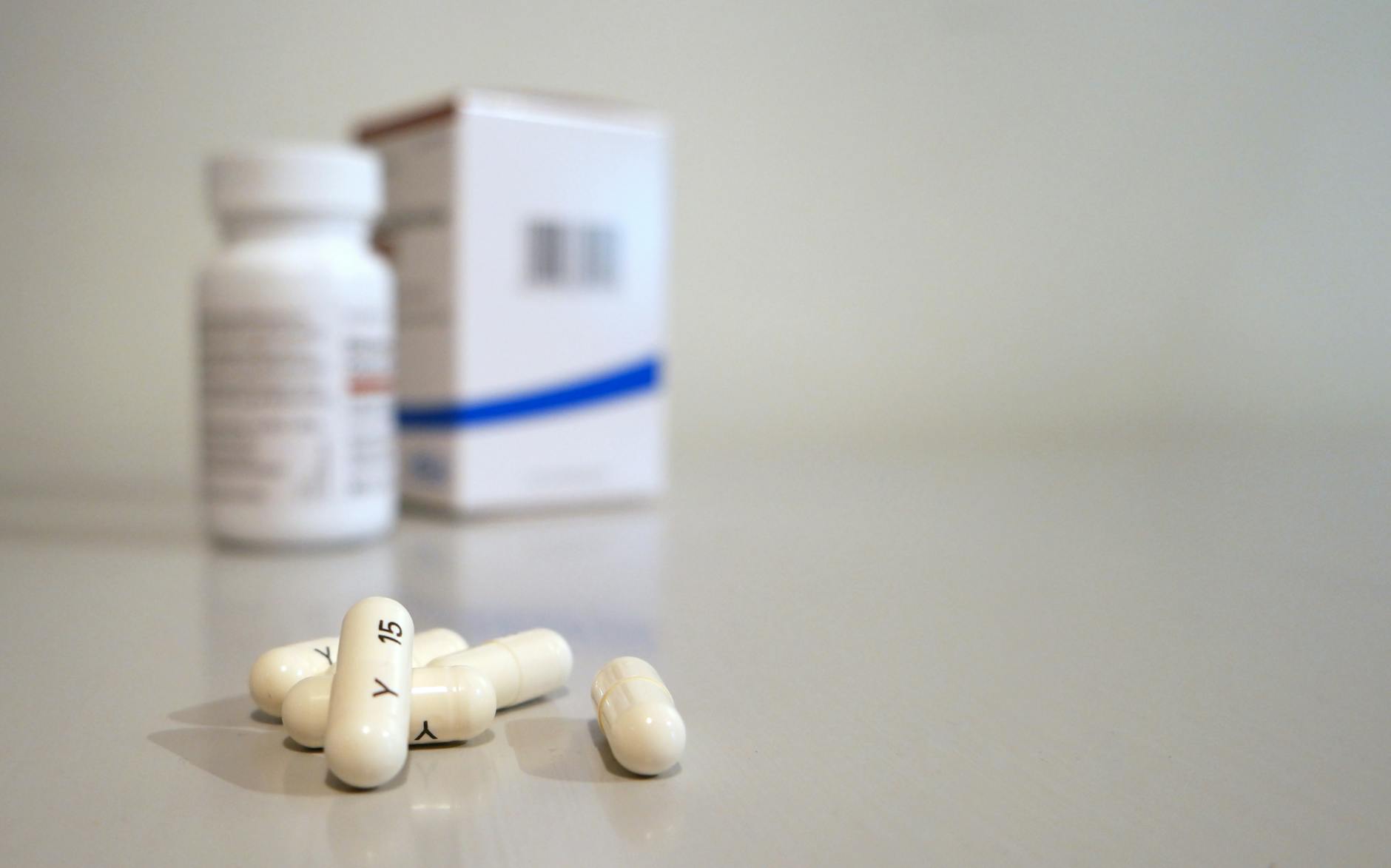
Navigating the world of prescription medications can feel overwhelming, especially when it comes to finding the right dosage. Vyvanse, a medication prescribed for Attention Deficit Hyperactivity Disorder (ADHD) and moderate to severe Binge Eating Disorder (BED), is one such medicine. Understanding how Vyvanse dosage works is key to successful treatment. This guide aims to shed light on the typical dosages, strengths, and factors influencing your prescription. Remember, this information is for educational purposes; always follow your doctor's specific advice.
Vyvanse, with the active ingredient lisdexamfetamine, belongs to a class of stimulant drugs known as amphetamines. It works by affecting the levels of certain neurotransmitters in the brain, primarily dopamine and norepinephrine. These chemicals play a vital role in attention, focus, impulse control, and mood regulation. By influencing these pathways, Vyvanse helps to manage the symptoms of ADHD and reduce the urge to binge eat in individuals with BED.
It's important to understand that Vyvanse is a prodrug. This means it's inactive until it's processed by your body. The lisdexamfetamine is converted into dextroamphetamine, the active form of the medication. This conversion process is what contributes to Vyvanse's longer-lasting effects compared to some other stimulant medications.
Vyvanse comes in two convenient forms to suit different needs:
The available strengths for both capsules and chewable tablets typically include:
Your doctor will prescribe the strength that best aligns with your treatment plan and individual needs.
For adults and children aged 6 and older diagnosed with ADHD, Vyvanse is usually taken once daily. The treatment journey often begins with a low dose to allow your body to adjust and to minimize potential side effects.
The typical starting dosage for ADHD is 30 mg taken once a day. This initial dose is carefully selected to be effective yet gentle.
After starting with 30 mg, your doctor will likely monitor your response to the medication. Over time, they may gradually increase your dosage, usually in weekly increments of 10 mg to 20 mg. This process, known as titration, aims to find the optimal dosage that effectively manages your ADHD symptoms without causing significant side effects.
The goal is to reach a maintenance dosage, which is the dose you will continue to take regularly to manage your ADHD. For ADHD, the typical dosage range for Vyvanse is between 30 mg and 70 mg per day. The maximum recommended dose in a 24-hour period is 70 mg.
It's crucial to understand that your doctor will determine the exact dosage adjustments based on how you respond. Factors like symptom severity, your individual metabolism, and any potential side effects will guide these decisions.
Vyvanse is also approved to treat moderate to severe BED in adults. Similar to ADHD treatment, the dosage for BED starts low and is gradually increased.
The recommended starting dosage for BED is also 30 mg, taken once daily. This initial dose helps your body acclimate to the medication.
For BED, your doctor will typically increase the dosage weekly by increments of 20 mg. This progressive increase continues until you reach a dosage that effectively controls binge eating urges. The target maintenance dosage for BED usually falls between 50 mg and 70 mg per day.
As with ADHD, the maximum daily dose for BED is 70 mg. The titration schedule for BED is often more rapid than for ADHD, reflecting the different treatment goals and response patterns.
It is vital to adhere to the prescribed dosage and never exceed the maximum recommended daily limit. For both ADHD and BED, the maximum daily dose of Vyvanse is 70 mg. Taking more than the prescribed dose does not necessarily lead to better results and can significantly increase the risk of adverse effects.
Your doctor will always aim to prescribe the lowest effective dose to manage your symptoms while minimizing potential risks. This approach ensures both efficacy and safety throughout your treatment.
Several factors play a role in determining the right Vyvanse dosage for you. Your doctor considers these carefully:
Open communication with your doctor about how you feel on the medication is essential for finding the perfect balance.
For many individuals, Vyvanse is prescribed as a long-term treatment. If you and your doctor find that Vyvanse is safe and effective for managing your condition, it's likely you'll continue taking it for an extended period. Your doctor will regularly review your treatment to ensure it remains appropriate and effective. They will also discuss the long-term safety of taking Vyvanse with you.
Sometimes, dosage adjustments might be necessary even after the initial titration period. This could be due to changes in your condition, lifestyle, or other life events. Your doctor remains your best resource for managing these adjustments.
It's always best to consult your doctor regarding your Vyvanse dosage. Never adjust your dose or stop taking the medication without their guidance. You should reach out to your doctor immediately if:
Your healthcare provider is your partner in this treatment journey, ensuring you receive the most benefit from Vyvanse safely and effectively.
No, there is no 100 mg dose of Vyvanse. The maximum recommended dosage for Vyvanse in a 24-hour period for both children and adults is 70 mg.
Vyvanse capsules should not be split. The medication is designed to be released slowly over time. If you have difficulty swallowing capsules, discuss this with your doctor, as chewable tablets are available.
If you miss a dose, take it as soon as you remember, unless it is almost time for your next dose. Do not take a double dose to make up for a missed dose. If you are unsure, contact your doctor or pharmacist for advice.
Yes, Vyvanse can be taken with or without food. Taking it with food may help reduce stomach upset for some individuals.
Yes, there are other medications available for ADHD and BED, including other stimulant medications and non-stimulant options. Your doctor can discuss these alternatives with you if Vyvanse is not suitable.
This information is intended for general knowledge and informational purposes only, and does not constitute medical advice. It is essential to consult with a qualified healthcare professional for any health concerns or before making any decision related to your health or treatment.
Visit Hospital
Near You

Confused about whether CBD can get you high? Understand the difference between CBD and THC, their effects on your body, and what to look for in safe, non-intoxicating CBD products.
April 1, 2026

Learn about anticoagulants and antiplatelet drugs, often called blood thinners. Understand how they prevent blood clots, when they're prescribed, their side effects, and essential safety tips for Indian readers.
April 1, 2026

Confused about Plan B and abortion pills? Understand the key differences, how they work, and their effectiveness for informed reproductive health decisions.
April 1, 2026