

Emergency & Help
24/7 Emergency & General Advisory
🚨 24/7 Medical Emergency
Non-Emergency Advisory
10:00 AM – 6:00 PM, Mon–Sat
For appointments & general queries.
24/7 Emergency & General Advisory
🚨 24/7 Medical Emergency
Non-Emergency Advisory
10:00 AM – 6:00 PM, Mon–Sat
For appointments & general queries.
Stay updated with our latest healthcare news and your appointments.
A detailed guide on Xcopri (cenobamate) dosage for focal onset seizures, tailored for Indian patients, covering starting doses, maximum limits, special considerations, and administration instructions.
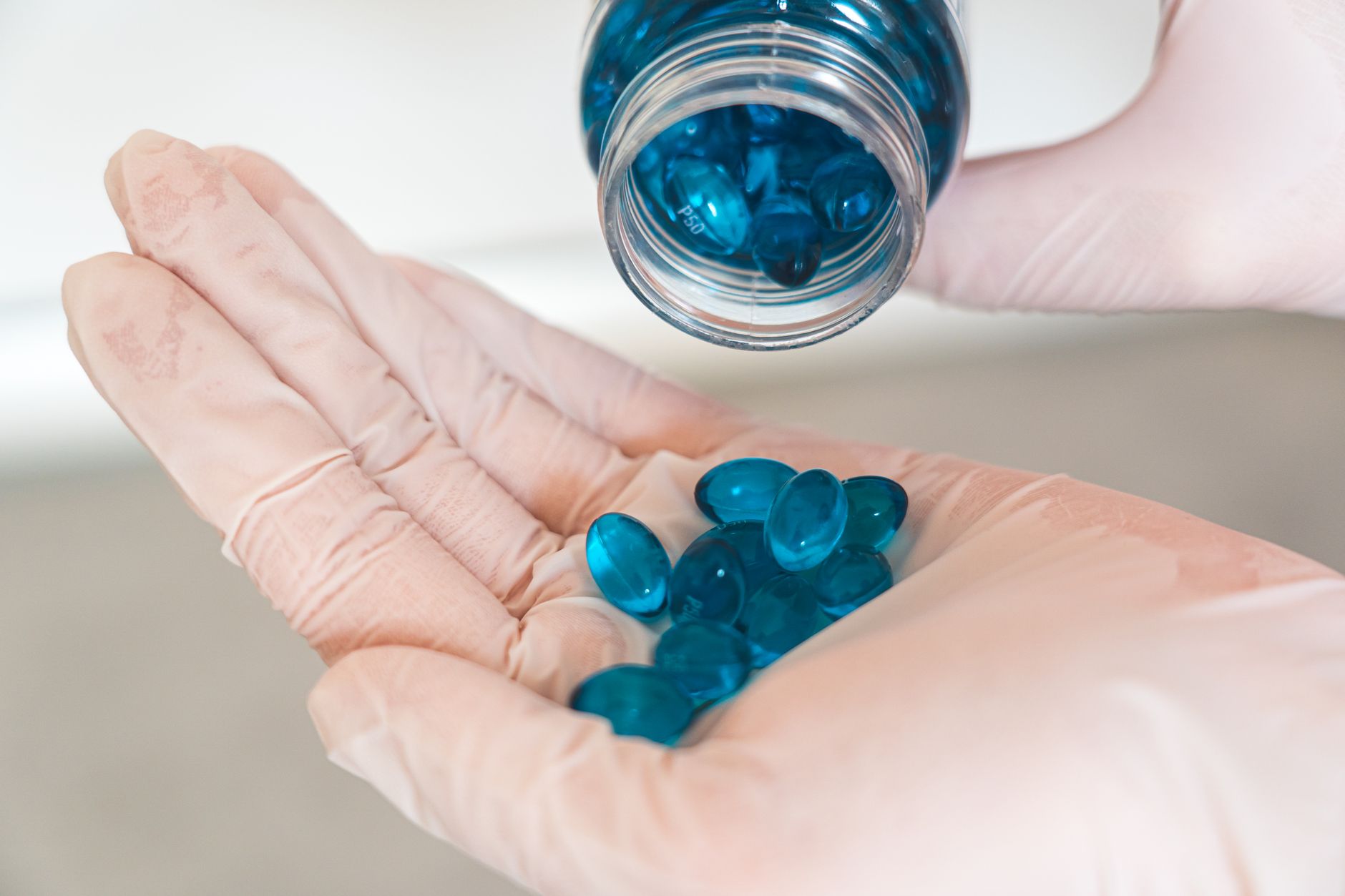
Understanding Xcopri (Cenobamate) Dosage for Focal Onset Seizures in India Focal onset seizures, previously known as partial onset seizures, can significantly impact an individual's quality of life. Fortunately, advancements in medical treatments offer hope, and Xcopri (cenobamate) is one such medication approved to manage this condition in adults. This guide aims to provide clear, practical information about Xcopri dosage, tailored for patients in India, ensuring they understand how to take this medication safely and effectively under the guidance of their healthcare provider. What is Xcopri and How Does it Work? Xcopri belongs to a class of drugs called antiepileptic drugs (AEDs). Its active ingredient, cenobamate, works by reducing abnormal electrical activity in the brain that triggers seizures. It is available in tablet form, designed to be swallowed whole. For individuals who have difficulty swallowing pills, the tablets can be crushed and mixed with water before consumption, following specific instructions from the prescribing information. Recommended Dosage for Adults in India The dosage of Xcopri is highly individualized and determined by a healthcare professional based on the patient's specific needs and response to the medication. However, a general guideline for adults in India is as follows: Starting Dosage and Titration Doctors typically begin with a low dose of Xcopri and gradually increase it over time. This gradual increase, known as titration, helps the body adjust to the medication, minimizes potential side effects, and allows the doctor to find the smallest effective dose for seizure control. The titration schedule is carefully planned to ensure safety and efficacy. Typical Maintenance Dosage For adults diagnosed with focal onset seizures, the typical starting dosage might be around 12.5 mg twice daily. This is then increased incrementally over several weeks. A common maintenance dosage that proves effective for many patients is 200 mg per day , usually taken as 100 mg twice daily. This dosage aims to provide optimal seizure control while managing potential side effects. Maximum Recommended Dosage The maximum recommended dosage of Xcopri for focal onset seizures in adults is generally 400 mg per day , taken as 200 mg twice daily. It is crucial never to exceed this limit without explicit medical advice, as higher doses can increase the risk of serious side effects. Dosage Adjustments for Specific Conditions Liver Problems For patients in India with existing liver conditions, dosage adjustments are often necessary. If you have mild to moderate liver problems, your doctor may recommend a lower maximum daily dose, typically not exceeding 200 mg per day . Xcopri is generally not advised for individuals with severe liver disease or liver failure due to the potential for exacerbating liver damage. Kidney Problems While the provided information does not detail specific kidney dosage adjustments, it is essential for patients with kidney issues to inform their doctor. The doctor will assess the situation and make appropriate recommendations regarding dosage and monitoring. How to Take Xcopri Timing: Xcopri can be taken at any time of the day, with or without food. Consistency in timing is often recommended to maintain stable blood levels of the medication. Administration: Swallow the tablets whole. If you have difficulty swallowing, consult your doctor or pharmacist for instructions on how to crush the tablet and mix it with water. Missed Dose: If you miss a dose, take it as soon as you remember. However, if it is almost time for your next scheduled dose, skip the missed dose and continue with your regular dosing schedule. Do not double the dose to compensate for a missed one. Important Considerations and Precautions Liver Function Monitoring Xcopri may potentially affect liver function. Before starting treatment, your doctor will likely order liver function tests to assess your baseline liver health. Regular monitoring of liver function throughout your treatment is essential to detect any adverse effects early. Potential for Dependence and Withdrawal Like some other antiepileptic drugs, Xcopri may lead to dependence, where the body becomes accustomed to the medication. Suddenly stopping Xcopri can result in withdrawal symptoms, which may include: Anxiety Insomnia Nausea Headache Dizziness Irritability Furthermore, abruptly discontinuing antiepileptic drugs can increase the risk of status epilepticus , a condition characterized by prolonged seizures that do not stop. Therefore, if you and your doctor decide to discontinue Xcopri, it should be done gradually under medical supervision. When to Consult a Doctor It is vital to maintain open communication with your healthcare provider. Consult your doctor immediately if: You experience any side effects that concern you or interfere with your ability to take the medication. You suspect you have taken too much Xcopri. You are considering stopping the medication. You have any questions about your dosage or how to take Xcopri. What to Do in Case of Overdose If you believe you have taken too much Xcopri, contact your doctor immediately. In India, you can also reach out to 108 (Ambulance) or the nearest emergency room. For immediate medical advice regarding overdose, you can contact poison control centers. However, if you experience severe symptoms, call your local emergency number (like 108) or go to the nearest emergency room without delay. Conclusion Xcopri (cenobamate) is an important medication for managing focal onset seizures in adults. Understanding the dosage, administration, and potential precautions is crucial for patients in India. Always adhere strictly to your doctor's prescription, attend all scheduled monitoring appointments, and communicate any concerns promptly. This collaborative approach with your healthcare provider ensures the safe and effective
In summary, timely diagnosis, evidence-based treatment, and prevention-focused care improve long-term health outcomes.
Visit Hospital
Near You

Confused about whether CBD can get you high? Understand the difference between CBD and THC, their effects on your body, and what to look for in safe, non-intoxicating CBD products.
April 1, 2026

Learn about anticoagulants and antiplatelet drugs, often called blood thinners. Understand how they prevent blood clots, when they're prescribed, their side effects, and essential safety tips for Indian readers.
April 1, 2026

Confused about Plan B and abortion pills? Understand the key differences, how they work, and their effectiveness for informed reproductive health decisions.
April 1, 2026