

Emergency & Help
24/7 Emergency & General Advisory
🚨 24/7 Medical Emergency
Non-Emergency Advisory
10:00 AM – 6:00 PM, Mon–Sat
For appointments & general queries.
24/7 Emergency & General Advisory
🚨 24/7 Medical Emergency
Non-Emergency Advisory
10:00 AM – 6:00 PM, Mon–Sat
For appointments & general queries.
Stay updated with our latest healthcare news and your appointments.
Xiaflex is a prescription injection used to treat Dupuytren's contracture and Peyronie's disease in adults. Learn about its uses, how it works, dosage, side effects, and more.
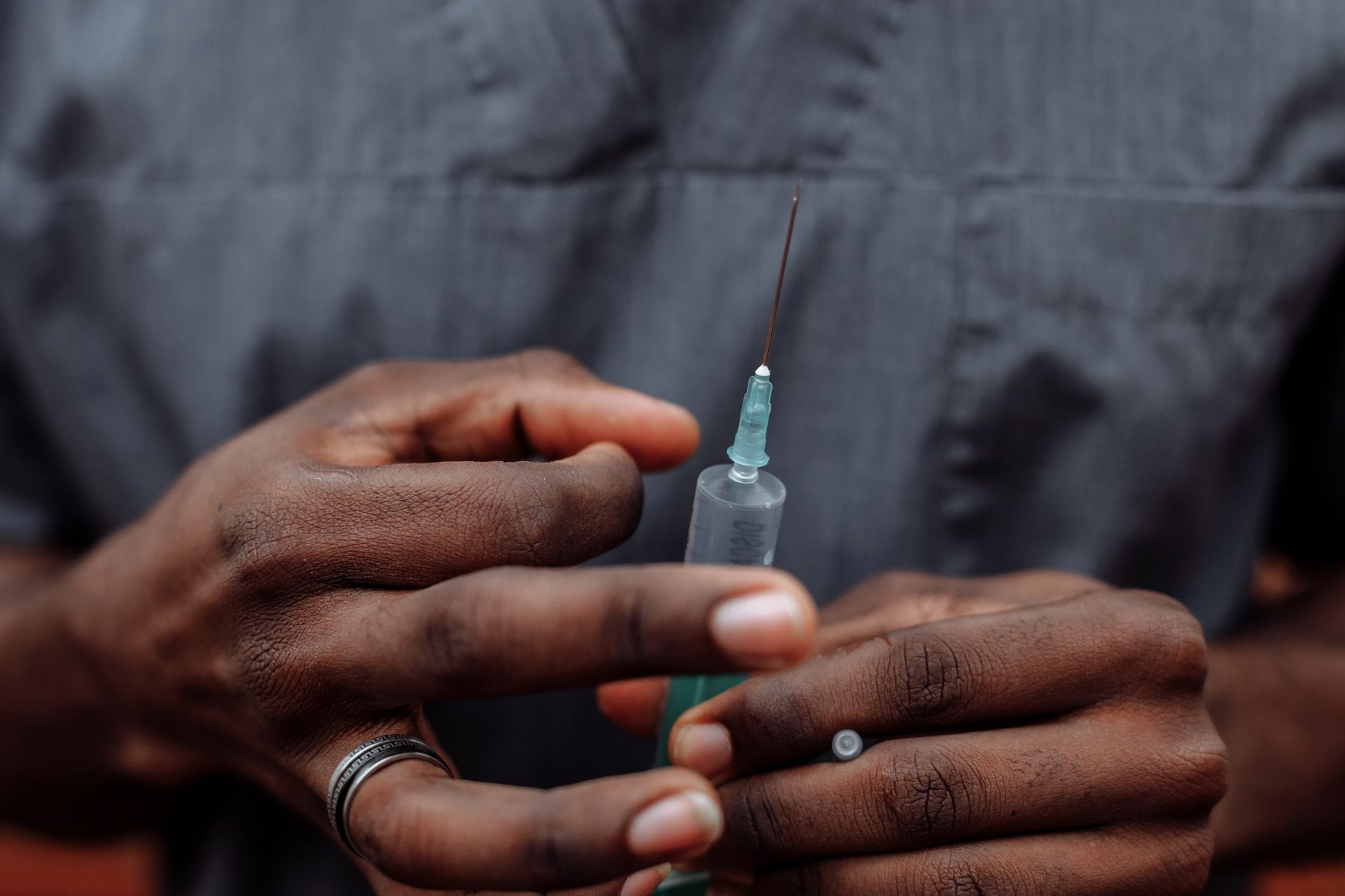
Xiaflex, a prescription medication containing the active ingredient collagenase clostridium histolyticum, is a biologic drug used to treat two specific conditions in adults: Dupuytren’s contracture and Peyronie’s disease. As a biologic drug, it is derived from living organisms. Currently, Xiaflex is not available in generic or biosimilar forms, meaning you can only obtain the branded medication.
Xiaflex is specifically indicated for the treatment of:
The active ingredient in Xiaflex, collagenase clostridium histolyticum, is an enzyme that works by breaking down the tough collagen that forms the cords or plaques associated with these conditions. By breaking down this collagen, Xiaflex helps to restore flexibility and reduce the curvature.
Xiaflex is administered by a healthcare professional through injection. It is not a medication you can self-administer.
For Dupuytren’s contracture, Xiaflex is injected directly into the palpable cord. Each cord may receive up to three Xiaflex injections. If more than one injection is given into the same cord, there must be at least 4 weeks between each injection. If there are multiple cords, injections can be given into up to two cords in the same hand during a single appointment. If there are more than two cords in one hand, additional injections will be scheduled at separate appointments. Your doctor will determine the frequency of these injections.
Treatment for Peyronie’s disease involves a series of injections given in cycles. Each treatment cycle consists of two Xiaflex injections, administered 1 to 3 days apart. Each plaque (area of scar tissue) in the penis can receive a maximum of four treatment cycles, which equates to a total of eight Xiaflex injections. If multiple treatment cycles are necessary, they are typically scheduled approximately every 6 weeks.
Xiaflex is provided as a powder in a vial, which a healthcare professional reconstitutes into a liquid solution for injection. The injections are given in a doctor's office or a clinical setting. Following the injection, your doctor will typically perform a finger-straightening procedure to help break up the treated cord or plaque. It is crucial to follow your doctor's instructions regarding any necessary physical therapy or exercises after the injection.
While Xiaflex is generally considered safe and effective, like all medications, it can cause side effects. Serious side effects are not common but can occur. It is important to be aware of these potential risks:
If you experience any serious side effects, contact your doctor immediately. If you believe you are experiencing a medical emergency, call 108 (India's emergency number) or your local emergency services.
It is essential to consult with a healthcare professional to determine if Xiaflex is the right treatment for you. You should consult your doctor if:
The cost of Xiaflex injections can vary. If you have insurance, a copay assistance program may be available to help reduce your out-of-pocket expenses. For more information on financial assistance, speak with your doctor or contact the Xiaflex copay assistance program directly at 877-942-3539 (this is a US number, and Indian patients should inquire about local programs with their healthcare provider).
Xiaflex is a treatment for existing conditions and does not prevent their onset. However, maintaining a healthy lifestyle can contribute to overall well-being and may indirectly support recovery and management of related health issues. For conditions like Peyronie's disease, maintaining good cardiovascular health through diet and exercise is important. For Dupuytren's contracture, while the exact causes are not fully understood, genetic factors play a role. Avoiding excessive alcohol consumption and smoking may be beneficial for general health.
Some discomfort, pain, and swelling at the injection site are common. Your doctor may use a local anesthetic to minimize pain during the injection. The finger-straightening procedure can also cause some discomfort.
Treatment for Dupuytren’s contracture involves multiple injections over time, with at least 4 weeks between injections for the same cord. Treatment for Peyronie’s disease involves cycles of two injections, with subsequent cycles scheduled about every 6 weeks. The total duration of treatment depends on the severity of the condition and the individual's response.
No, Xiaflex is approved for use only in adults.
If you miss an appointment, contact your doctor’s office immediately to reschedule. Prompt rescheduling is important for the effectiveness of the treatment.
For Dupuytren’s contracture, other treatment options may include surgery or needle aponeurotomy. For Peyronie’s disease, treatment options can include oral medications, injections (other than Xiaflex), traction devices, or surgery. Your doctor will discuss the most appropriate options for your specific situation.
Disclaimer: This information is intended for educational purposes only and does not constitute medical advice. Always consult with a qualified healthcare professional for any health concerns or before making any decisions related to your health or treatment.
Visit Hospital
Near You

Confused about whether CBD can get you high? Understand the difference between CBD and THC, their effects on your body, and what to look for in safe, non-intoxicating CBD products.
April 1, 2026

Learn about anticoagulants and antiplatelet drugs, often called blood thinners. Understand how they prevent blood clots, when they're prescribed, their side effects, and essential safety tips for Indian readers.
April 1, 2026

Confused about Plan B and abortion pills? Understand the key differences, how they work, and their effectiveness for informed reproductive health decisions.
April 1, 2026