

Emergency & Help
24/7 Emergency & General Advisory
🚨 24/7 Medical Emergency
Non-Emergency Advisory
10:00 AM – 6:00 PM, Mon–Sat
For appointments & general queries.
24/7 Emergency & General Advisory
🚨 24/7 Medical Emergency
Non-Emergency Advisory
10:00 AM – 6:00 PM, Mon–Sat
For appointments & general queries.
Stay updated with our latest healthcare news and your appointments.
A comprehensive guide for Indian patients on understanding and managing the side effects of Brukinsa (zanubrutinib), a medication used to treat certain blood cancers.
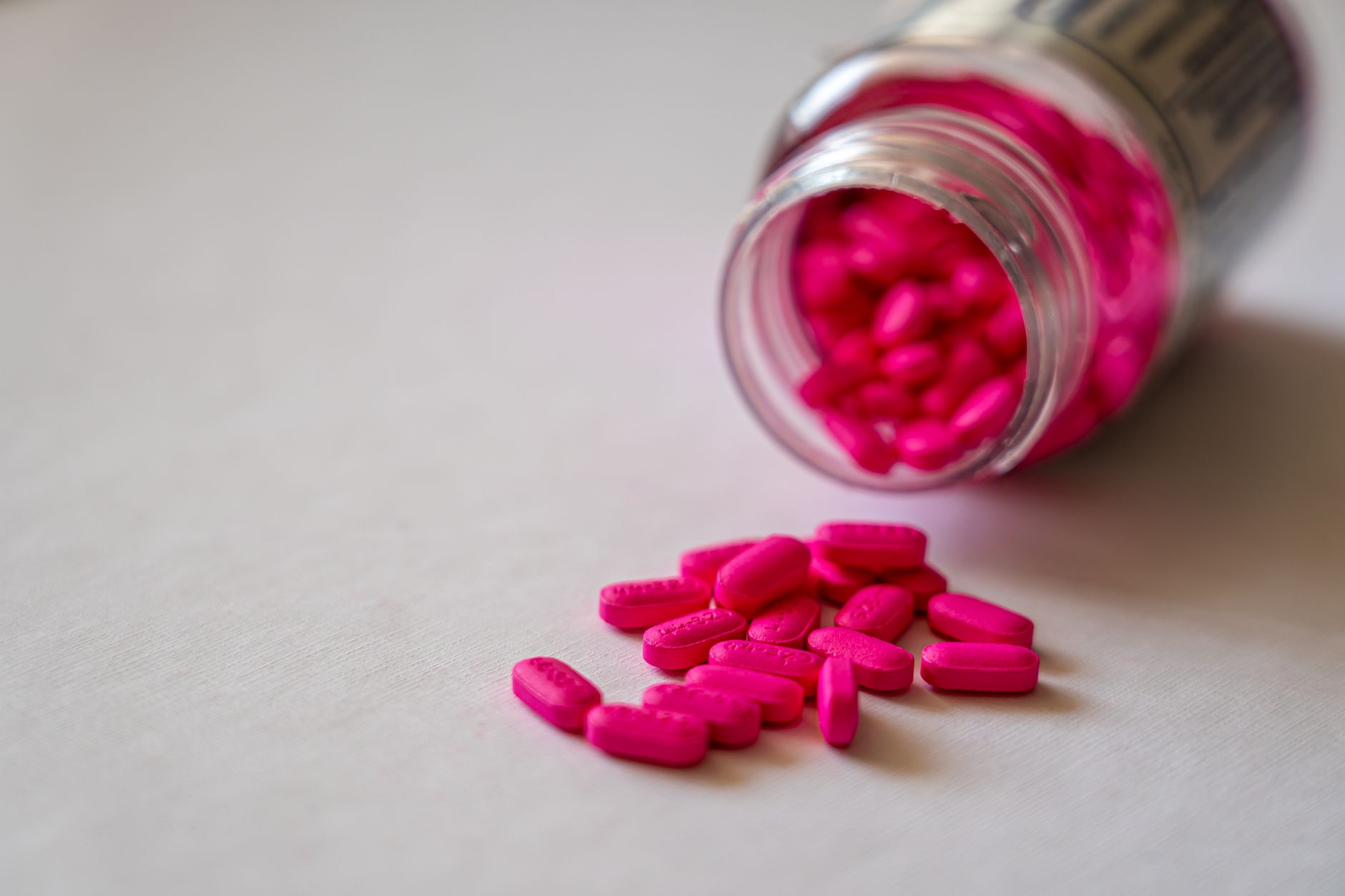
Understanding Brukinsa (Zanubrutinib) and Its Side Effects Brukinsa, known generically as zanubrutinib, is a vital prescription medication used to treat certain types of blood cancers in adults. It belongs to a class of drugs called Bruton 's tyrosine kinase (BTK) inhibitors. Doctors may prescribe Brukinsa as an initial treatment or when other therapies have not been effective. While Brukinsa offers significant benefits in managing these challenging conditions, it is crucial for patients to be aware of its potential side effects and how to manage them effectively. This guide aims to provide clear, practical information for Indian patients undergoing treatment with Brukinsa. What is Brukinsa Used For? Brukinsa is approved for treating specific blood cancers, including: Mantle cell lymphoma (MCL) in adults who have received at least one prior treatment for MCL. Marginal zone lymphoma (MZL) in adults who have received at least one prior treatment for MZL. Follicular lymphoma (FL) in adults who have received at least one prior treatment for FL. Chronic lymphocytic leukemia (CLL) or small lymphocytic lymphoma (SLL) in adults. Common Side Effects of Brukinsa Like all medications, Brukinsa can cause side effects. Many of these are mild and tend to resolve on their own within a few days or weeks. It is important not to stop taking Brukinsa without consulting your doctor. If any side effects become bothersome or do not improve, discuss them with your healthcare provider or pharmacist. Commonly reported side effects include: Infections: Brukinsa can increase the risk of infections. Muscle pain: Discomfort or pain in the muscles. Bleeding: Brukinsa can affect blood clotting, leading to an increased risk of bleeding. Gastrointestinal issues: These can include constipation, diarrhea, nausea, and vomiting. Edema: Swelling due to fluid buildup in the body, often noticeable in the legs, ankles, or hands. Managing Mild Side Effects Most mild side effects can be managed with supportive care. For instance: Gastrointestinal issues: Staying hydrated, eating small, frequent meals, and avoiding trigger foods can help with nausea and diarrhea. For constipation, increasing fiber intake and fluid consumption is recommended. Muscle pain: Over-the-counter pain relievers (as advised by your doctor) or gentle stretching may help. Edema: Elevating your legs when resting and avoiding prolonged standing can help reduce swelling. Always discuss any persistent or worsening mild side effects with your doctor. Serious Side Effects of Brukinsa While less common, Brukinsa can cause serious side effects that require immediate medical attention. It is vital to be aware of these and seek help promptly. 1. Serious Bleeding Brukinsa can increase the risk of bleeding, which can sometimes be severe or even life-threatening. Symptoms of serious bleeding include: Unusual bruising or bleeding (e.g., nosebleeds, bleeding gums). Blood in urine or stool. Coughing up blood. Heavy or prolonged menstrual bleeding. Any bleeding that is difficult to stop. Factors that may increase the risk of bleeding include: Taking other medications or supplements that thin the blood (e.g., aspirin, certain NSAIDs, warfarin, certain herbal supplements). Having a history of bleeding problems. What to do: Call your doctor immediately if you notice any unusual bleeding. If you believe the bleeding is life-threatening, call 108 (India's emergency number) or go to the nearest emergency room immediately. 2. Infections Brukinsa can weaken the immune system, making you more susceptible to infections. Symptoms of infection can vary but may include: Fever or chills. Sore throat. Cough or shortness of breath. Burning sensation during urination. Painful sores or redness. Diarrhea or stomach pain. Factors that may increase the risk of infection include: Taking other medications that suppress the immune system. Having a weakened immune system due to cancer or other conditions. What to do: Contact your doctor immediately if you develop any signs of infection. Prompt treatment is crucial. 3. Allergic Reactions Although rare, some individuals may experience an allergic reaction to Brukinsa. Symptoms can include: Rash or hives. Itching. Swelling of the face, lips, tongue, or throat. Difficulty breathing or wheezing. What to do: If you experience symptoms of a severe allergic reaction, seek emergency medical help immediately by calling 108 or going to the nearest hospital. 4. Development of Other Cancers Brukinsa, like some other cancer treatments, has been associated with an increased risk of developing other types of cancer. Your doctor will monitor you closely for any signs of new cancers. 5. Changes in Blood Electrolytes Brukinsa can affect the levels of electrolytes in your blood, such as calcium, phosphate, magnesium, and potassium. Your doctor will likely monitor these levels through regular blood tests. Brukinsa and Hair Loss/Weight Gain It is important to note that studies of Brukinsa have not reported hair loss or weight gain as direct side effects. However, swelling from fluid buildup (edema) can occur, which might be mistaken for weight gain. If you experience significant changes, consult your doctor. When to Consult Your Doctor Immediately You should contact your doctor right away if you experience any of the following: Signs of serious bleeding (as described above). Signs of infection (as described above). Symptoms of a severe allergic reaction. Any new or worsening symptoms that concern you. If any of these side effects seem life-threatening, or if you believe you are having a medical emergency, immediately call 108 or your local emergency number. Important Considerations for Patients in India Communication is Key: Maintain open and honest communication with your oncologist and healthcare team. Report all side effects, no matter how minor they seem. Medication Awareness: Inform
In summary, timely diagnosis, evidence-based treatment, and prevention-focused care improve long-term health outcomes.
Visit Hospital
Near You
Learn about kidney transplant options in Narendrapur, recovery, and donor criteria. Expert insights for informed decisions.
May 19, 2026
Explore LASIK eye surgery in Madhepura. Learn about eligibility, the procedure, benefits, risks, and costs from trusted specialists.
May 19, 2026
Explore LASIK surgery in Nalanda. Understand eligibility, the procedure, recovery, and costs for vision correction at leading eye clinics.
May 19, 2026