

Emergency & Help
24/7 Emergency & General Advisory
🚨 24/7 Medical Emergency
Non-Emergency Advisory
10:00 AM – 6:00 PM, Mon–Sat
For appointments & general queries.
24/7 Emergency & General Advisory
🚨 24/7 Medical Emergency
Non-Emergency Advisory
10:00 AM – 6:00 PM, Mon–Sat
For appointments & general queries.
Stay updated with our latest healthcare news and your appointments.
Learn about the common, mild, and serious side effects of Crestor (rosuvastatin) and get practical tips for managing them. Understand risk factors and when to consult a doctor for better cholesterol management.
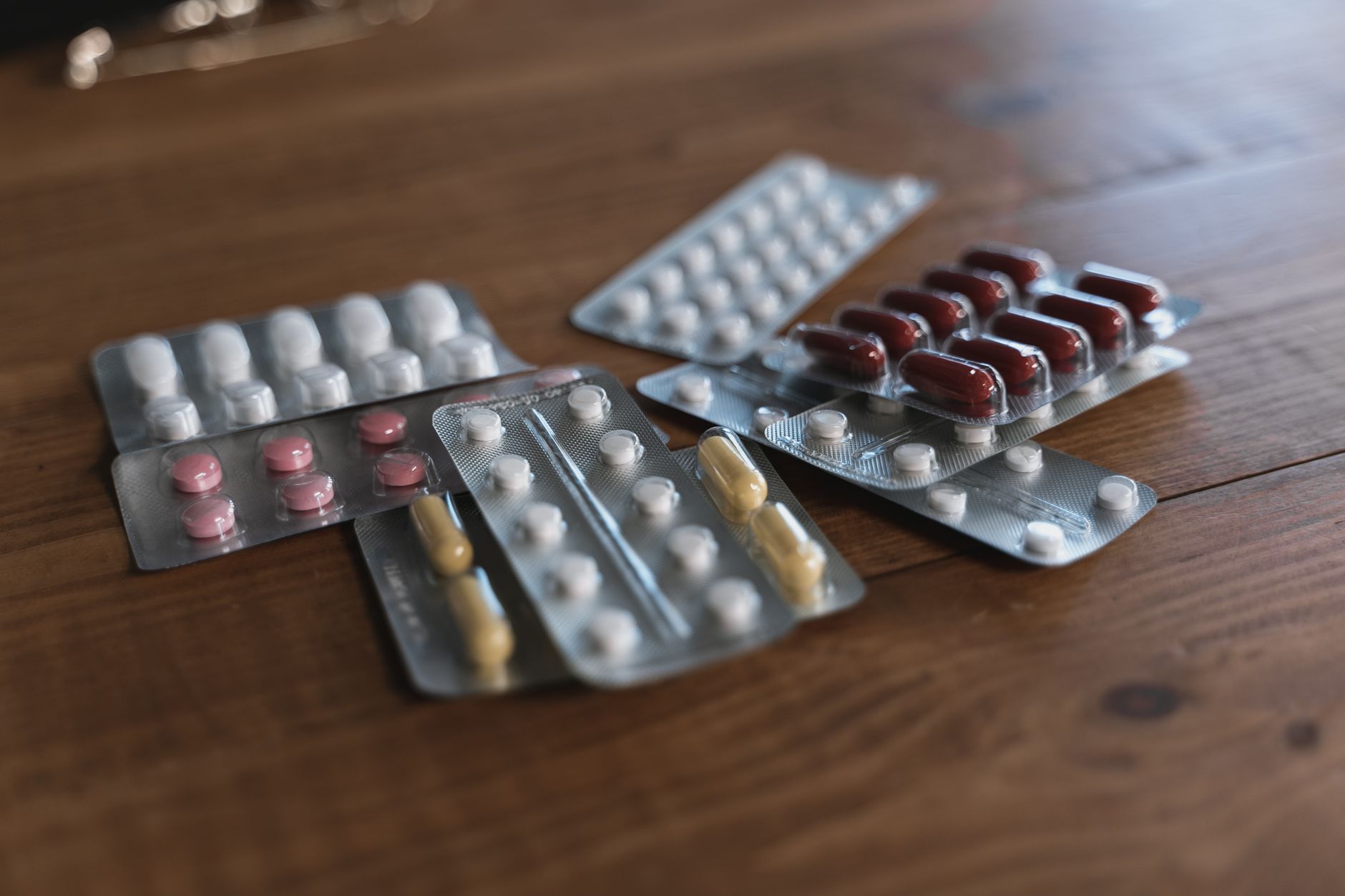
Understanding Crestor (Rosuvastatin) and Its Side Effects Crestor, with the active ingredient rosuvastatin, is a widely prescribed medication primarily used to manage high cholesterol levels and reduce the risk of cardiovascular events like heart attacks and strokes. It belongs to a class of drugs known as statins, which work by inhibiting an enzyme in the liver that produces cholesterol. While Crestor is highly effective, like all medications, it can cause side effects. This article aims to provide a comprehensive overview of the potential side effects of Crestor, focusing on common, mild, and serious reactions, and offering practical tips for managing them, particularly for readers in India. What is Crestor Used For? Crestor is prescribed for several conditions related to cholesterol and heart health: Treating high levels of LDL (bad) cholesterol and triglycerides. Increasing levels of HDL (good) cholesterol. Managing certain types of inherited high cholesterol conditions (familial hypercholesterolemia). Reducing the risk of heart attack, stroke, and the need for certain surgical procedures in individuals with risk factors for heart disease. Common and Mild Side Effects of Crestor Most individuals tolerate Crestor well, and the side effects experienced are often mild and temporary, typically resolving within a few days to weeks. If these side effects persist, worsen, or become bothersome, it is crucial to consult your doctor. Do not stop taking Crestor without medical advice. Commonly reported mild side effects include: Headache: A frequent but usually manageable side effect. Nausea: Feeling sick to your stomach. Muscle pain or weakness (myalgia): Mild aches or a feeling of tiredness in the muscles. Abdominal pain: Discomfort in the stomach area. Constipation: Difficulty passing stools. Diarrhea: Loose or watery stools. Dizziness: Feeling unsteady or lightheaded. Fatigue: Feeling unusually tired or lacking energy. Insomnia: Difficulty sleeping. Rash: Skin irritation or redness. Tips for Managing Mild Side Effects: Headache: Over-the-counter pain relievers (like paracetamol, if approved by your doctor) can help. Resting in a quiet, dark room may also provide relief. Nausea: Eating smaller, more frequent meals and avoiding fatty or spicy foods can help. Ginger or peppermint tea may also be soothing. Muscle Pain/Weakness: Gentle stretching and staying hydrated can be beneficial. If the pain is severe or persistent, inform your doctor immediately. Digestive Issues (Constipation/Diarrhea): Increase your intake of fiber-rich foods (fruits, vegetables, whole grains) and drink plenty of water for constipation. For diarrhea, focus on bland foods and stay hydrated. Dizziness: Avoid sudden movements and get up slowly from a sitting or lying position. Fatigue: Ensure you are getting adequate rest and maintaining a balanced diet. Insomnia: Practice good sleep hygiene, such as maintaining a regular sleep schedule, avoiding caffeine and heavy meals before bed, and creating a relaxing bedtime routine. Rash: Keep the affected skin clean and dry. Avoid harsh soaps or lotions. If the rash is severe or spreading, consult your doctor. Serious Side Effects of Crestor While less common, Crestor can cause serious side effects that require immediate medical attention. If you experience any of the following, contact your doctor right away or seek emergency medical care: Severe Muscle Problems (Rhabdomyolysis): This is a rare but serious condition where muscle tissue breaks down, leading to severe muscle pain, tenderness, weakness, dark-colored urine, and potentially kidney damage. The risk is higher in certain individuals. Liver Problems: Symptoms can include yellowing of the skin or eyes (jaundice), dark urine, severe abdominal pain, persistent nausea or vomiting, and unusual fatigue. Regular liver function tests may be recommended by your doctor. Kidney Problems: While less common, changes in kidney function can occur. Severe Allergic Reactions: Symptoms include swelling of the face, lips, tongue, or throat, difficulty breathing, severe dizziness, and a widespread rash or hives. This is a medical emergency. Memory Loss or Confusion: Some individuals may experience cognitive issues, though this is not a common side effect. Increased Blood Sugar Levels: Crestor may slightly increase blood sugar levels, which is a concern for individuals with diabetes or those at risk. Factors Increasing the Risk of Side Effects Certain factors can increase your susceptibility to experiencing side effects from Crestor: Age: Being 65 years or older may increase the risk of muscle-related problems, especially if kidney function is compromised. Ethnicity: Individuals of Asian descent may have a higher risk of certain side effects. Pre-existing Conditions: Existing kidney or thyroid problems can increase the risk. Dosage: While most common side effects occur at similar rates across different doses (e.g., 5 mg vs. 10 mg), some studies suggest a slightly higher rate of weakness with higher doses. Always take the dose prescribed by your doctor. Interactions with Other Medications: Certain other drugs can interact with Crestor, potentially increasing the risk of side effects. Always inform your doctor about all medications, supplements, and herbal products you are taking. When to Consult a Doctor It is essential to maintain open communication with your healthcare provider. Consult your doctor immediately if you experience: Any serious side effects as listed above. Mild side effects that do not improve or worsen over time. Concerns about your medication or potential interactions. Symptoms of liver or kidney problems. Unexplained muscle pain, tenderness, or weakness. In case of a medical emergency, such as symptoms of a severe allergic reaction or life-threatening side effects, call 911 or your local emergency number immediately. Prevention and Lifestyle Considerations While Crestor is a powerful tool for managing cholesterol, lifestyle modifications play a crucial role in overall heart health and
In summary, timely diagnosis, evidence-based treatment, and prevention-focused care improve long-term health outcomes.
Visit Hospital
Near You
Learn about kidney transplant options in Narendrapur, recovery, and donor criteria. Expert insights for informed decisions.
May 19, 2026
Explore LASIK eye surgery in Madhepura. Learn about eligibility, the procedure, benefits, risks, and costs from trusted specialists.
May 19, 2026
Explore LASIK surgery in Nalanda. Understand eligibility, the procedure, recovery, and costs for vision correction at leading eye clinics.
May 19, 2026