

Emergency & Help
24/7 Emergency & General Advisory
🚨 24/7 Medical Emergency
Non-Emergency Advisory
10:00 AM – 6:00 PM, Mon–Sat
For appointments & general queries.
24/7 Emergency & General Advisory
🚨 24/7 Medical Emergency
Non-Emergency Advisory
10:00 AM – 6:00 PM, Mon–Sat
For appointments & general queries.
Stay updated with our latest healthcare news and your appointments.
An in-depth look at the side effects of Onivyde (irinotecan liposome injection) for pancreatic cancer patients, including management strategies and when to seek medical help.
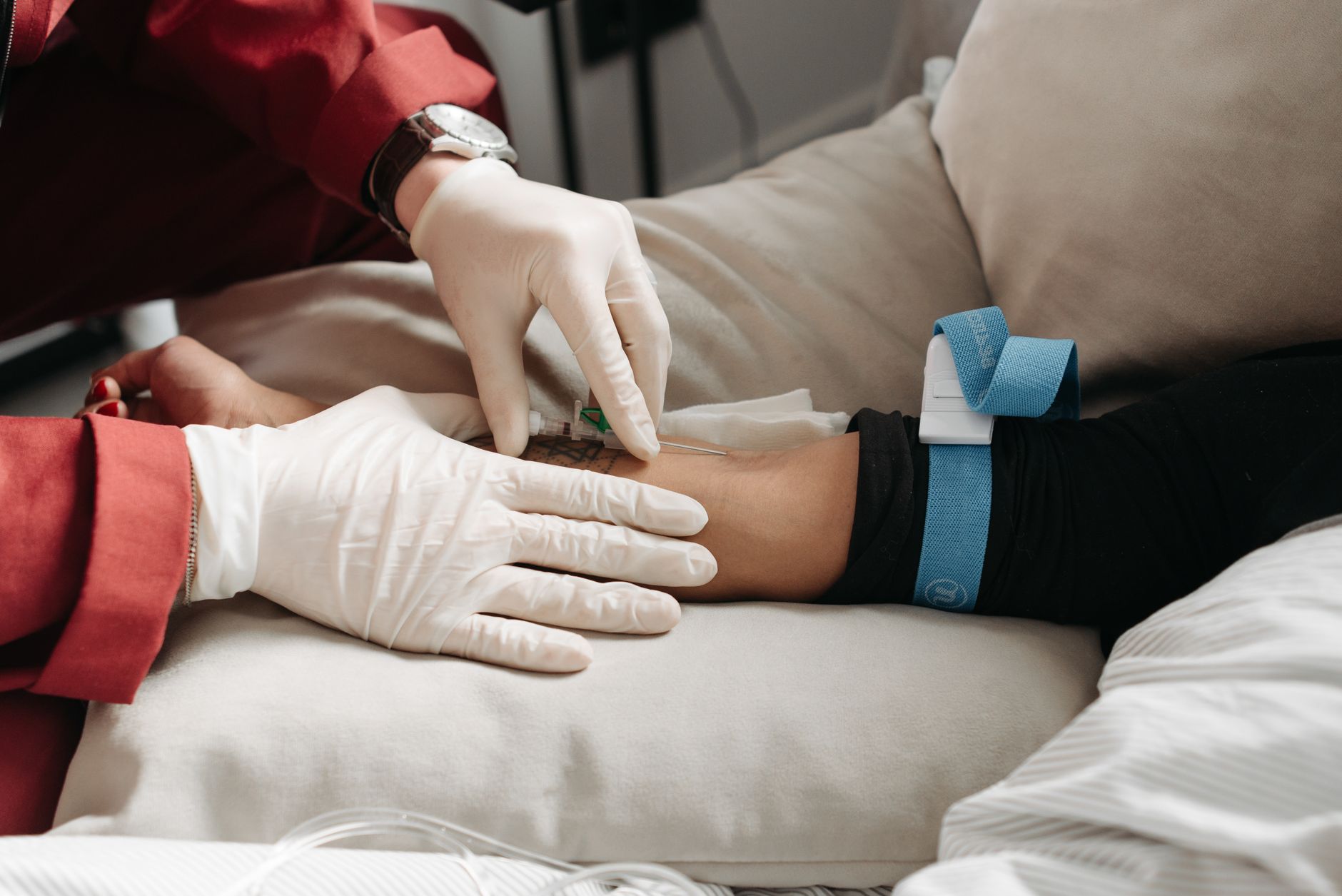
Onivyde, the brand name for irinotecan liposome injection, is a crucial medication used in the fight against advanced pancreatic cancer. It is prescribed for adults whose cancer has either spread or returned after initial treatment, or as a first-line therapy in combination with other chemotherapy drugs. While Onivyde offers a beacon of hope for patients, like all potent medications, it comes with a spectrum of potential side effects. Understanding these side effects, their severity, and how to manage them is paramount for patients undergoing treatment. This article aims to provide a comprehensive overview of Onivyde's side effects, drawing from medical information and offering practical advice for Indian patients. What is Onivyde and How Does it Work? Onivyde is a type of chemotherapy that contains irinotecan. It is administered intravenously (IV) in a healthcare setting, typically over a 90-minute infusion. The liposome formulation is designed to deliver the chemotherapy drug more effectively to the tumor site. It is often used in combination with other chemotherapy agents like oxaliplatin, fluorouracil, and leucovorin, depending on the stage and previous treatment of the pancreatic cancer. Boxed Warnings: The Most Serious Considerations The U.S. Food and Drug Administration (FDA) has issued a boxed warning for Onivyde, highlighting the most serious potential risks. These warnings are critical for both patients and healthcare providers to be aware of: Severe Diarrhea Diarrhea is one of the most significant and potentially dangerous side effects of Onivyde. It can occur in two forms: Early Diarrhea: This typically begins within 24 hours of receiving the Onivyde infusion. Late Diarrhea: This can start more than 24 hours after the infusion. Severe diarrhea can lead to dehydration, electrolyte imbalances, and a significant decrease in quality of life. It is crucial to report any increase in bowel movements to your doctor immediately. If diarrhea doesn't improve within 48 hours, your doctor may prescribe medications like diphenoxylate with atropine or octreotide to manage it. Prompt management is key to preventing serious complications. Low Neutrophil Count (Neutropenia) Onivyde can cause a significant drop in neutrophils, a type of white blood cell essential for fighting infection. Extremely low neutrophil counts (severe neutropenia) increase the risk of severe infections, such as pneumonia, which can potentially lead to sepsis – a life-threatening immune response. Regular blood tests are necessary to monitor neutrophil levels during treatment. Any signs of infection, such as fever, chills, cough, or shortness of breath, must be reported to the doctor immediately. Common Side Effects of Onivyde While the boxed warnings address the most severe risks, many patients experience milder side effects. These are generally manageable and may decrease over time. Common side effects include: Fatigue or tiredness Nausea and vomiting Loss of appetite Mouth sores (stomatitis or mucositis) Decreased appetite Abdominal pain Constipation Fever Headache Dizziness Hair loss (alopecia) Skin rash Changes in taste It's important to note that not everyone will experience all of these side effects, and their intensity can vary greatly. If any of these mild side effects become persistent or bothersome, consulting with your healthcare provider is recommended. They can offer strategies to manage these symptoms, such as anti-nausea medications, dietary adjustments, or oral care routines. Serious Side Effects Requiring Immediate Medical Attention Beyond severe diarrhea and neutropenia, other serious side effects associated with Onivyde necessitate urgent medical evaluation: Severe Allergic Reactions: Symptoms can include swelling of the face, lips, tongue, or throat, difficulty breathing, hives, or severe itching. If these occur, call emergency services (like 108 or 112 in India) immediately. Blood Disorders: Besides neutropenia, Onivyde can lead to low platelet count (thrombocytopenia), increasing bleeding risk, and low red blood cell count (anemia), causing fatigue and shortness of breath. Gastrointestinal Issues: Besides diarrhea, Onivyde can cause narrowing or obstruction in the gastrointestinal tract, leading to severe abdominal pain, vomiting, or inability to pass stool or gas. Liver Problems: While often mild, elevated liver enzyme levels can, in rare cases, indicate liver damage. Stroke: Although rare, Onivyde has been associated with an interruption in blood flow to the brain. Symptoms include sudden numbness or weakness, confusion, trouble speaking, or vision problems. Electrolyte Imbalances: Low levels of essential electrolytes like sodium or potassium can occur, leading to various symptoms including muscle cramps, confusion, or irregular heartbeat. If you experience any of these serious side effects, seek immediate medical help. Do not delay in contacting your doctor or going to the nearest emergency room. Managing Side Effects: A Patient's Guide Effective management of Onivyde side effects involves close collaboration between the patient and the healthcare team. Here are some general strategies: Stay Hydrated: Especially important if experiencing diarrhea or vomiting. Drink plenty of fluids as advised by your doctor. Dietary Adjustments: A bland diet may be recommended to manage nausea and diarrhea. Avoid spicy, fatty, or heavily seasoned foods. Oral Care: Maintain good oral hygiene to prevent and manage mouth sores. Use a soft toothbrush and rinse your mouth regularly. Monitor Symptoms: Keep a diary of your symptoms, noting their onset, severity, and any triggers. This information is invaluable for your doctor. Medication Adherence: Take all prescribed medications, including anti-diarrheal or anti-nausea drugs, exactly as directed. Report Changes: Always inform your doctor or nurse about any new or worsening symptoms, no matter how minor they may seem. When to Consult a Doctor It is essential to consult your doctor or healthcare provider in the following situations: Any signs of severe diarrhea (more than
In summary, timely diagnosis, evidence-based treatment, and prevention-focused care improve long-term health outcomes.
Visit Hospital
Near You
Learn about kidney transplant options in Narendrapur, recovery, and donor criteria. Expert insights for informed decisions.
May 19, 2026
Explore LASIK eye surgery in Madhepura. Learn about eligibility, the procedure, benefits, risks, and costs from trusted specialists.
May 19, 2026
Explore LASIK surgery in Nalanda. Understand eligibility, the procedure, recovery, and costs for vision correction at leading eye clinics.
May 19, 2026