

Emergency & Help
24/7 Emergency & General Advisory
🚨 24/7 Medical Emergency
Non-Emergency Advisory
10:00 AM – 6:00 PM, Mon–Sat
For appointments & general queries.
24/7 Emergency & General Advisory
🚨 24/7 Medical Emergency
Non-Emergency Advisory
10:00 AM – 6:00 PM, Mon–Sat
For appointments & general queries.
Stay updated with our latest healthcare news and your appointments.
Curious if Pepto-Bismol can help your stomach after drinking? We explore the potential risks and what the research says about mixing Pepto-Bismol and alcohol, plus safer alternatives for hangover relief.
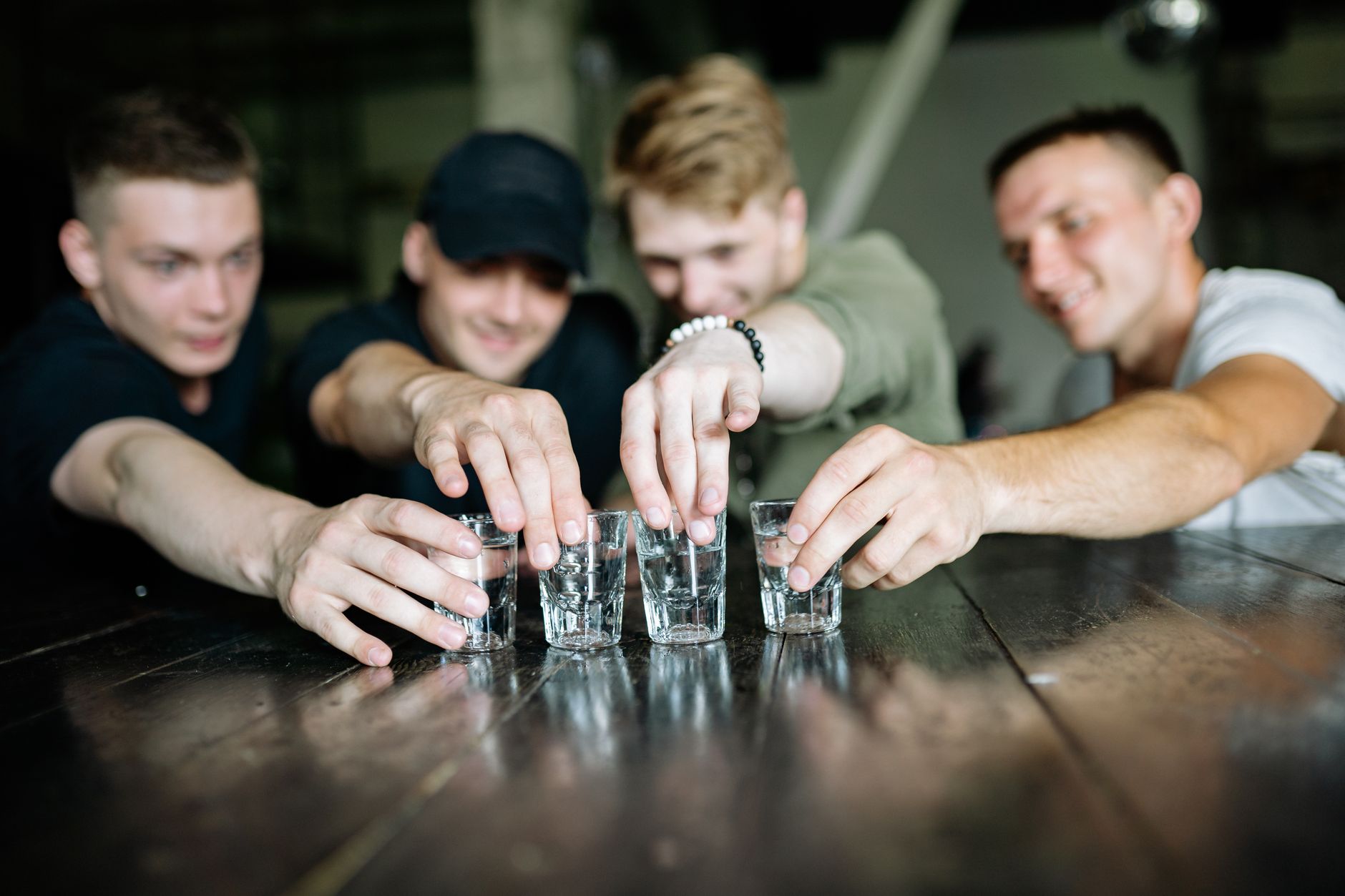
After a night of enjoying yourself a little too much, you might find yourself reaching for over-the-counter remedies to soothe your upset stomach. Pepto-Bismol, with its distinctive pink hue and familiar name, is often a go-to for relieving symptoms like diarrhea and indigestion. It makes sense to think that if it can help with an upset stomach, it might just be the ticket after a bit too much to drink. But before you pop that pink pill or pour that pink liquid, it's wise to understand how Pepto-Bismol and alcohol interact. The research is limited, and while some older studies suggest it might be okay, many healthcare professionals advise against mixing them. Let's explore why.
Pepto-Bismol's active ingredient is bismuth subsalicylate. This compound works in a few key ways to calm your digestive system. Firstly, it has anti-inflammatory properties. Think of it as a soothing balm for your irritated stomach lining, reducing the inflammation that often leads to discomfort and diarrhea. Secondly, it forms a protective coating over the stomach lining. This barrier acts like a shield, protecting the delicate tissues from further irritation caused by stomach acid or other ingested substances. Thirdly, bismuth subsalicylate possesses antimicrobial effects. It can help combat certain bacteria, including H. pylori, a common culprit behind stomach issues like acid reflux and ulcers.
Alcohol, unfortunately, is not always kind to your stomach. When you consume alcohol, it can directly irritate the lining of your stomach. This irritation can lead to a condition called gastritis, which is essentially inflammation of the stomach lining. The symptoms of gastritis can range from mild discomfort to more severe pain, nausea, and vomiting. While occasional gastritis from a night of overindulgence usually resolves on its own, frequent or heavy alcohol consumption can lead to chronic inflammation. This persistent inflammation can cause significant damage over time, potentially resulting in stomach ulcers and even gastrointestinal bleeding. The more alcohol you drink, and the more frequently you drink, the higher the risk of this ongoing damage.
The primary reason why doctors often advise against combining Pepto-Bismol and alcohol lies in how your body metabolizes, or breaks down, both substances. Your liver plays a significant role in this process. While your gastrointestinal tract absorbs most of the active ingredients from Pepto-Bismol, your liver is also involved in breaking some of it down. Alcohol, of course, is heavily processed by the liver.
When your liver is busy metabolizing alcohol, it might not be able to process Pepto-Bismol as efficiently. This slowdown can lead to both substances staying in your body for longer periods. This prolonged presence increases the potential for side effects and can put extra strain on your liver. In essence, you're asking your liver to do double duty, and it might struggle to keep up, potentially leading to liver stress or damage over time. This is a theoretical concern, but it's a significant one for medical professionals.
If you already have stomach ulcers, combining Pepto-Bismol and alcohol can be particularly risky. Ulcers are open sores on the stomach lining, meaning that particular area is not protected by the natural lining and is more vulnerable to damage. Alcohol is known to irritate these sores, and Pepto-Bismol, while protective in some ways, can also potentially increase the risk of gastrointestinal bleeding when combined with alcohol, especially if ulcers are present. This is because both substances can affect the stomach's ability to clot blood properly.
A crucial sign to watch for if you've taken Pepto-Bismol after drinking is any change in your stool. Pepto-Bismol can naturally turn your stool black. However, if you notice bright red blood or dark, tarry-looking blood in your stool, this could indicate gastrointestinal bleeding and requires immediate medical attention. Don't assume black stool is normal; always be vigilant for signs of bleeding.
The scientific evidence directly addressing the safety and efficacy of taking Pepto-Bismol after drinking alcohol is quite limited, especially in recent decades. There are a few older studies from the 1990s that explored this combination. One notable study from 1990, published in the Journal of International Medical Research, involved 132 volunteers who consumed excessive alcohol and then took either Pepto-Bismol or a placebo. The findings from this particular study did not report any significant side effects from the combination. Furthermore, the participants who took Pepto-Bismol reported better relief from their stomach symptoms compared to the placebo group.
However, it's important to view these older studies with caution. Medical research and understanding evolve. These studies were relatively small, and the long-term effects or potential risks might not have been fully captured. More importantly, there haven't been similar comprehensive studies conducted in the last 20-30 years to confirm these findings or investigate potential risks more thoroughly. Therefore, relying solely on these older studies to deem the combination safe might not be prudent.
If you're experiencing stomach upset after drinking, there are other ways to find relief without potentially risking interactions with Pepto-Bismol. The key is to focus on gentle remedies that support your body's recovery:
Consider this scenario: It's Sunday morning, and you wake up with a churning stomach and a slight headache after a friend's birthday party. You remember having a few too many cocktails. Your first thought is to grab the Pepto-Bismol from the medicine cabinet, thinking it will quickly settle your stomach. However, remembering the potential risks, you decide to try sipping on some warm water with lemon and nibbling on some dry toast instead.
While occasional stomach upset after drinking is common, certain symptoms warrant a visit to your doctor. If your symptoms don't improve after about 24 hours, or if they worsen significantly, it's important to seek medical advice. There's a possibility that your symptoms might be related to another underlying medical condition that needs attention. Additionally, if you experience severe abdominal pain, persistent vomiting, or notice any signs of gastrointestinal bleeding (like blood in your stool or vomit), don't delay in contacting your healthcare provider immediately.
Disclaimer: This information is for general knowledge and informational purposes only, and does not constitute medical advice. It is essential to consult with a qualified healthcare professional for any health concerns or before making any decisions related to your health or treatment.
Visit Hospital
Near You
Learn about kidney transplant options in Narendrapur, recovery, and donor criteria. Expert insights for informed decisions.
May 19, 2026
Explore LASIK eye surgery in Madhepura. Learn about eligibility, the procedure, benefits, risks, and costs from trusted specialists.
May 19, 2026
Explore LASIK surgery in Nalanda. Understand eligibility, the procedure, recovery, and costs for vision correction at leading eye clinics.
May 19, 2026