

Emergency & Help
24/7 Emergency & General Advisory
🚨 24/7 Medical Emergency
Non-Emergency Advisory
10:00 AM – 6:00 PM, Mon–Sat
For appointments & general queries.
24/7 Emergency & General Advisory
🚨 24/7 Medical Emergency
Non-Emergency Advisory
10:00 AM – 6:00 PM, Mon–Sat
For appointments & general queries.
Stay updated with our latest healthcare news and your appointments.
Learn about the critical interactions of Ritalin with alcohol, antidepressants, MAOIs, and other medications. Understand the risks and ensure safe usage for ADHD and narcolepsy treatment.
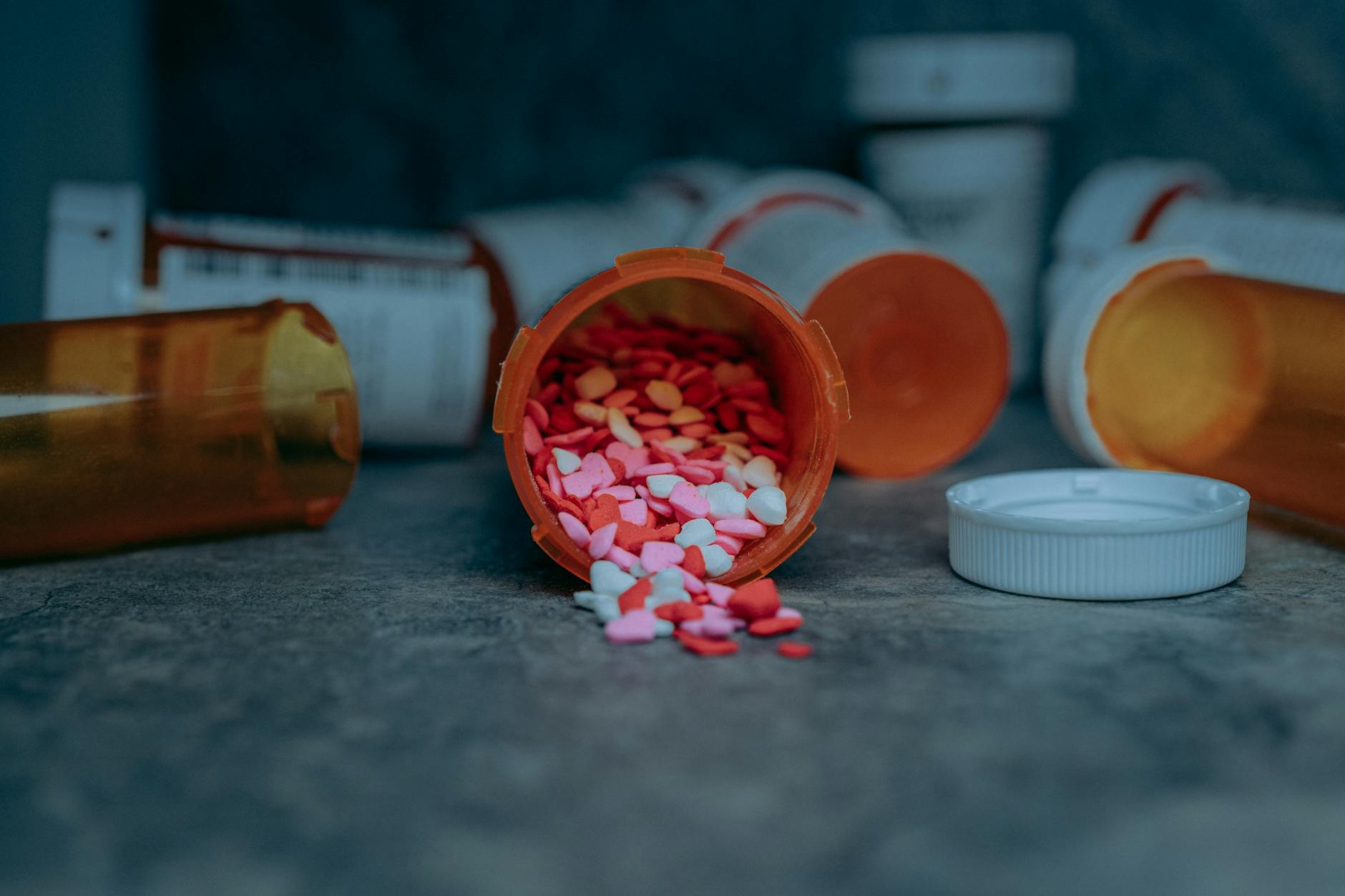
Understanding Ritalin Interactions: A Comprehensive Guide Ritalin, a well-known prescription medication primarily used to manage Attention Deficit Hyperactivity Disorder (ADHD) and narcolepsy, can significantly impact an individual's health when combined with certain substances. Methylphenidate, the active ingredient in Ritalin, works by affecting the balance of certain natural chemicals in the brain. While effective for its intended purposes, it's crucial to be aware of its potential interactions with alcohol, other medications, and even certain supplements. This guide aims to provide a clear and practical understanding of these interactions, specifically tailored for readers in India, emphasizing safety and informed decision-making. What is Ritalin and How Does it Work? Ritalin is available in two forms: an oral tablet and an extended-release oral capsule known as Ritalin LA. The extended-release formulation is designed to release the medication slowly into the body over several hours, providing a more sustained effect. Both forms are prescribed to adults and children for the treatment of ADHD, a condition characterized by inattention, hyperactivity, and impulsivity, and for narcolepsy, a chronic sleep disorder. By influencing neurotransmitters like dopamine and norepinephrine, Ritalin helps improve focus, reduce impulsivity, and manage excessive daytime sleepiness. The Importance of Knowing About Drug Interactions A drug interaction occurs when a substance, such as another medication, food, or drink, affects how a drug works in the body. This can lead to unexpected side effects, reduce the effectiveness of the medication, or even cause dangerous health problems. For Ritalin, understanding these potential interactions is paramount to ensuring safe and effective treatment. Factors like individual health conditions, other medications being taken, and lifestyle choices can all influence how Ritalin interacts with other substances. Ritalin and Alcohol: A Risky Combination Combining Ritalin, particularly the extended-release form (Ritalin LA), with alcohol is strongly discouraged. Alcohol can interfere with the way Ritalin LA is released into the body. Instead of a slow, steady release, alcohol can cause the capsule to release its entire contents at once. This rapid release can lead to a sudden surge of the medication in your system, potentially causing intensified side effects such as dry mouth, excessive sweating, increased heart rate, and other adverse reactions. For individuals taking Ritalin, it is best to avoid alcohol altogether to prevent these risks. Interactions with Other Medications Ritalin can interact with a wide range of other medications, altering their effectiveness or increasing the risk of side effects. It is essential to inform your doctor about all medications, including over-the-counter drugs, herbal supplements, and vitamins, that you are currently taking or plan to take. Antidepressants and Serotonin Syndrome One significant concern is the interaction between Ritalin and certain antidepressants, particularly Selective Serotonin Reuptake Inhibitors (SSRIs) like sertraline (Zoloft). Taking Ritalin with SSRIs can increase the risk of a potentially life-threatening condition called serotonin syndrome. Symptoms of serotonin syndrome can include agitation, hallucinations, rapid heartbeat, fever, muscle stiffness, and loss of coordination. If you experience any of these symptoms while taking Ritalin and an SSRI, seek immediate medical attention by calling 911 or your local emergency number. Your doctor will advise on the best course of action, which may include adjusting dosages or discontinuing one of the medications. MAO Inhibitors: A Strict Contraindication Monoamine Oxidase Inhibitors (MAOIs) are a class of drugs primarily used to treat depression. Ritalin should never be taken with an MAOI. There must be at least a 14-day gap between the last dose of an MAOI and the first dose of Ritalin. Combining Ritalin with an MAOI can lead to a dangerous increase in blood pressure, a condition known as hypertensive crisis, which can be fatal. If you are taking or have recently taken an MAOI, it is crucial to inform your doctor before starting Ritalin. Medications for Type 2 Diabetes Ritalin can also interact with medications used to manage type 2 diabetes, such as pioglitazone (Actos). This interaction may affect blood sugar levels, requiring careful monitoring and potential adjustments to diabetes medication by your doctor. Other Potential Drug Interactions The list of potential drug interactions is extensive. Ritalin may interact with: Blood pressure medications Anticonvulsants (seizure medications) Certain blood thinners Some cold and cough medicines Other stimulants It is vital to consult your doctor or pharmacist for a complete list of potential interactions based on your specific medical history and current medications. Interactions with Supplements and Herbal Products While less commonly discussed, certain supplements and herbal products can also interact with Ritalin. For instance, products containing caffeine or other stimulants can amplify the stimulant effects of Ritalin, leading to increased heart rate, anxiety, and insomnia. Always inform your doctor about any supplements or herbal remedies you are using. Ritalin and Specific Health Conditions Certain pre-existing health conditions can make taking Ritalin unsafe. These are known as contraindications. Besides the interaction with MAOIs and a history of allergic reactions to Ritalin or its ingredients, individuals with certain cardiovascular issues, uncontrolled high blood pressure, glaucoma, or hyperthyroidism may be at higher risk. Pregnancy and Ritalin If you are pregnant, planning to become pregnant, or breastfeeding while taking Ritalin, it is essential to discuss this with your doctor. While the risks and benefits need to be weighed carefully, there is a pregnancy registry available for Ritalin. This registry collects information about pregnancies and any issues that may arise, helping healthcare providers better understand the drug's effects during pregnancy. You can inquire with your doctor or call the registry at 866-961-2388 for
In summary, timely diagnosis, evidence-based treatment, and prevention-focused care improve long-term health outcomes.
Visit Hospital
Near You
Learn about kidney transplant options in Narendrapur, recovery, and donor criteria. Expert insights for informed decisions.
May 19, 2026
Explore LASIK eye surgery in Madhepura. Learn about eligibility, the procedure, benefits, risks, and costs from trusted specialists.
May 19, 2026
Explore LASIK surgery in Nalanda. Understand eligibility, the procedure, recovery, and costs for vision correction at leading eye clinics.
May 19, 2026