

Emergency & Help
24/7 Emergency & General Advisory
🚨 24/7 Medical Emergency
Non-Emergency Advisory
10:00 AM – 6:00 PM, Mon–Sat
For appointments & general queries.
24/7 Emergency & General Advisory
🚨 24/7 Medical Emergency
Non-Emergency Advisory
10:00 AM – 6:00 PM, Mon–Sat
For appointments & general queries.
Stay updated with our latest healthcare news and your appointments.
Learn about potential interactions with Spiriva (tiotropium), including other medications, alcohol, and health conditions. Understand how to use Spiriva safely.
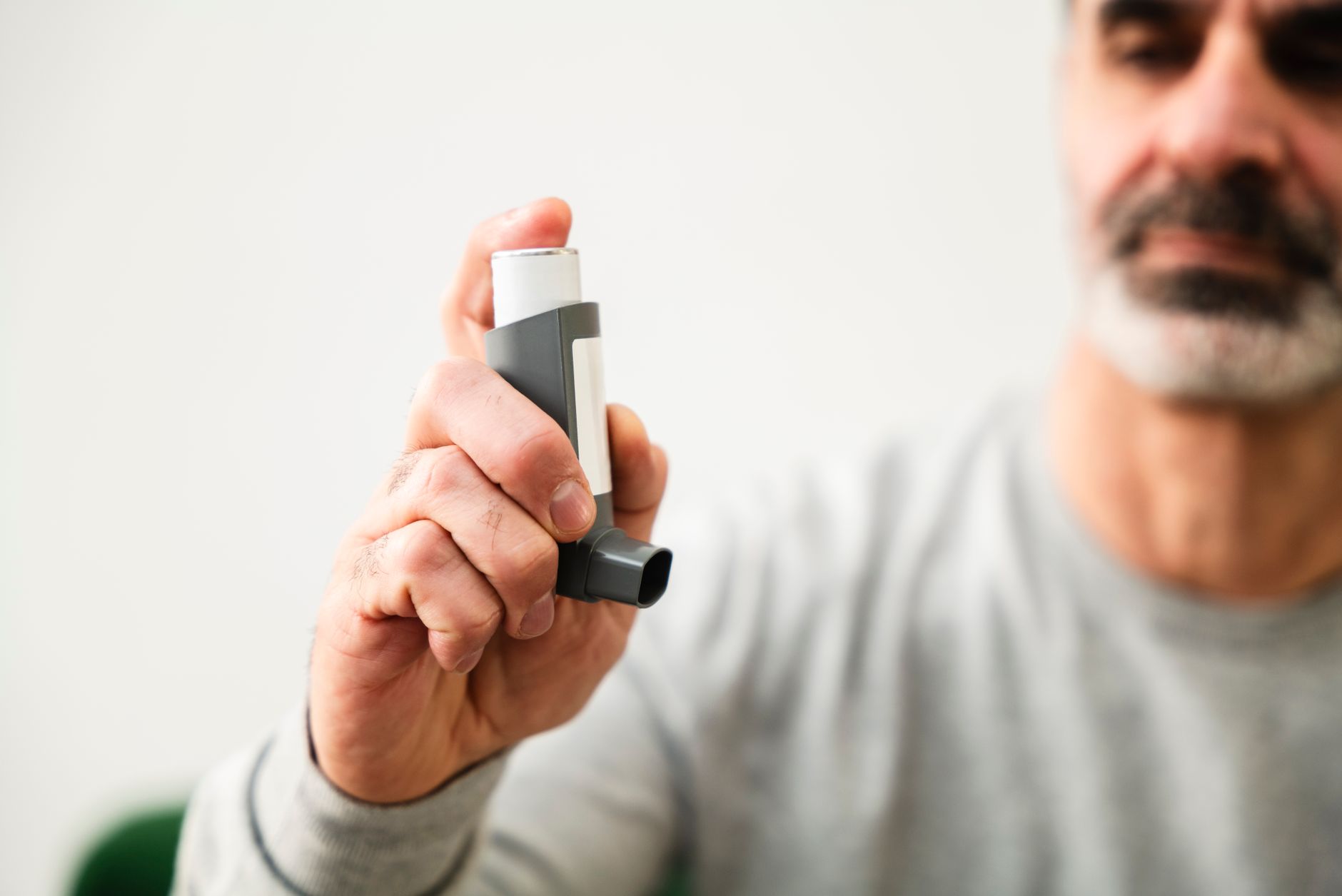
Spiriva, known chemically as tiotropium, is a vital medication prescribed for managing asthma and chronic obstructive pulmonary disease (COPD). It is available in two inhaler devices: Spiriva Respimat, used for both asthma and COPD, and Spiriva Handihaler, specifically for COPD. Both devices contain the active ingredient tiotropium, which works by relaxing the airways, making breathing easier. While Spiriva is generally safe and effective, it's crucial to be aware of potential interactions with other substances, including medications, alcohol, and even certain health conditions. Understanding these interactions can help prevent adverse effects and ensure the medication works optimally for your health. What is Spiriva and How Does it Work? Spiriva (tiotropium) is a long-acting bronchodilator that belongs to a class of drugs called anticholinergics. It works by blocking the action of acetylcholine, a neurotransmitter that causes the airways to constrict. By blocking acetylcholine, Spiriva helps to relax and widen the airways, reducing symptoms like shortness of breath, wheezing, and coughing associated with asthma and COPD. It is typically used as a maintenance treatment, meaning it's taken regularly to control symptoms, not for immediate relief of sudden breathing problems. Spiriva Interactions with Other Medications One of the most significant concerns with any medication is its potential to interact with other drugs you might be taking. These interactions can alter how a drug works, potentially leading to reduced effectiveness or increased side effects. Spiriva can interact with other medications, particularly those that also have anticholinergic properties. Anticholinergic Drug Interactions Spiriva itself is an anticholinergic medication. Therefore, taking it concurrently with other drugs that have anticholinergic effects can amplify these effects. This can lead to an increased risk of side effects such as: Dry mouth Constipation Urinary retention (difficulty urinating) Blurred vision Increased heart rate Confusion Examples of other anticholinergic drugs include: Overactive bladder treatments: Such as fesoterodine (Toviaz), oxybutynin (Oxytrol, Gelnique), and solifenacin (Vesicare). Parkinson's disease treatments: Such as benztropine and trihexyphenidyl. Other COPD treatments: Such as glycopyrrolate, ipratropium (Atrovent HFA), and revefenacin (Yupelri). If you have pre-existing conditions like kidney problems or an enlarged prostate, the risk of experiencing severe side effects from combining Spiriva with another anticholinergic is even higher. Your doctor will carefully consider this and may choose not to prescribe Spiriva if you are already on another anticholinergic medication. If, however, it is deemed necessary, your doctor might prescribe a lower dose of one or both medications and will monitor you closely. It is crucial to inform your doctor immediately if you experience symptoms like severe constipation, difficulty or pain during urination, or sudden eye pain, redness, blurred vision, or seeing halos around lights (symptoms of narrow-angle glaucoma) while taking Spiriva with another anticholinergic. Other Potential Drug Interactions While the interaction with other anticholinergics is the most notable, it's always wise to discuss all your medications, including over-the-counter drugs and supplements, with your doctor or pharmacist. They can provide a comprehensive list of potential interactions specific to your health profile. Spiriva and Alcohol Interaction Spiriva is not known to have a direct, significant interaction with alcohol that would alter its pharmacological effect. However, both Spiriva and alcohol can cause some similar side effects. Therefore, consuming alcohol while taking Spiriva might increase your likelihood of experiencing these side effects, such as: Headache Dizziness Blurred vision If you experience these symptoms, it's advisable to reduce or avoid alcohol consumption while using Spiriva. Always consult your doctor or pharmacist if you have concerns about drinking alcohol while on this medication. Interactions with Health Conditions Certain health conditions can make it unsafe for you to take Spiriva. These are known as contraindications. Your doctor will assess your medical history to ensure Spiriva is appropriate for you. Conditions that might require caution or preclude the use of Spiriva include: Severe kidney impairment: As the kidneys play a role in eliminating the drug from the body. Enlarged prostate: Due to the anticholinergic effects that can worsen urinary retention. Narrow-angle glaucoma: The anticholinergic properties can exacerbate this eye condition. It is essential to be completely honest with your doctor about your health history, including any existing medical conditions, to ensure your safety. Spiriva Interactions with Supplements, Foods, and Vaccines While less common, interactions can also occur with dietary supplements, certain foods, and even vaccines. The specific interactions are not always well-documented, but it's a good practice to inform your doctor about any supplements you are taking, as some may have anticholinergic properties or affect drug metabolism. Similarly, discuss any upcoming vaccinations with your doctor, as certain vaccines might interact with your respiratory medications. When to Consult Your Doctor It is crucial to maintain open communication with your healthcare provider throughout your treatment with Spiriva. You should consult your doctor or pharmacist in the following situations: Before starting Spiriva: Discuss all your current medications, including over-the-counter drugs, herbal supplements, and vitamins, as well as any existing health conditions. If you experience new or worsening symptoms: Such as increased breathing difficulties, severe constipation, urinary problems, or eye pain. If you are considering other medications: Always check with your doctor or pharmacist before starting any new prescription or over-the-counter medication. If you plan to consume alcohol: Discuss the potential risks and benefits with your doctor. If you are pregnant or breastfeeding: The safety of Spiriva during pregnancy and breastfeeding needs to be discussed with your doctor. Your doctor is your best resource for managing your health and ensuring that your
In summary, timely diagnosis, evidence-based treatment, and prevention-focused care improve long-term health outcomes.
Visit Hospital
Near You
Learn about kidney transplant options in Narendrapur, recovery, and donor criteria. Expert insights for informed decisions.
May 19, 2026
Explore LASIK eye surgery in Madhepura. Learn about eligibility, the procedure, benefits, risks, and costs from trusted specialists.
May 19, 2026
Explore LASIK surgery in Nalanda. Understand eligibility, the procedure, recovery, and costs for vision correction at leading eye clinics.
May 19, 2026