

Emergency & Help
24/7 Emergency & General Advisory
🚨 24/7 Medical Emergency
Non-Emergency Advisory
10:00 AM – 6:00 PM, Mon–Sat
For appointments & general queries.
24/7 Emergency & General Advisory
🚨 24/7 Medical Emergency
Non-Emergency Advisory
10:00 AM – 6:00 PM, Mon–Sat
For appointments & general queries.
Stay updated with our latest healthcare news and your appointments.
Learn about potential interactions with Taltz, including medications like abatacept and tofacitinib, alcohol consumption, and health conditions. Essential information for safe treatment in India.
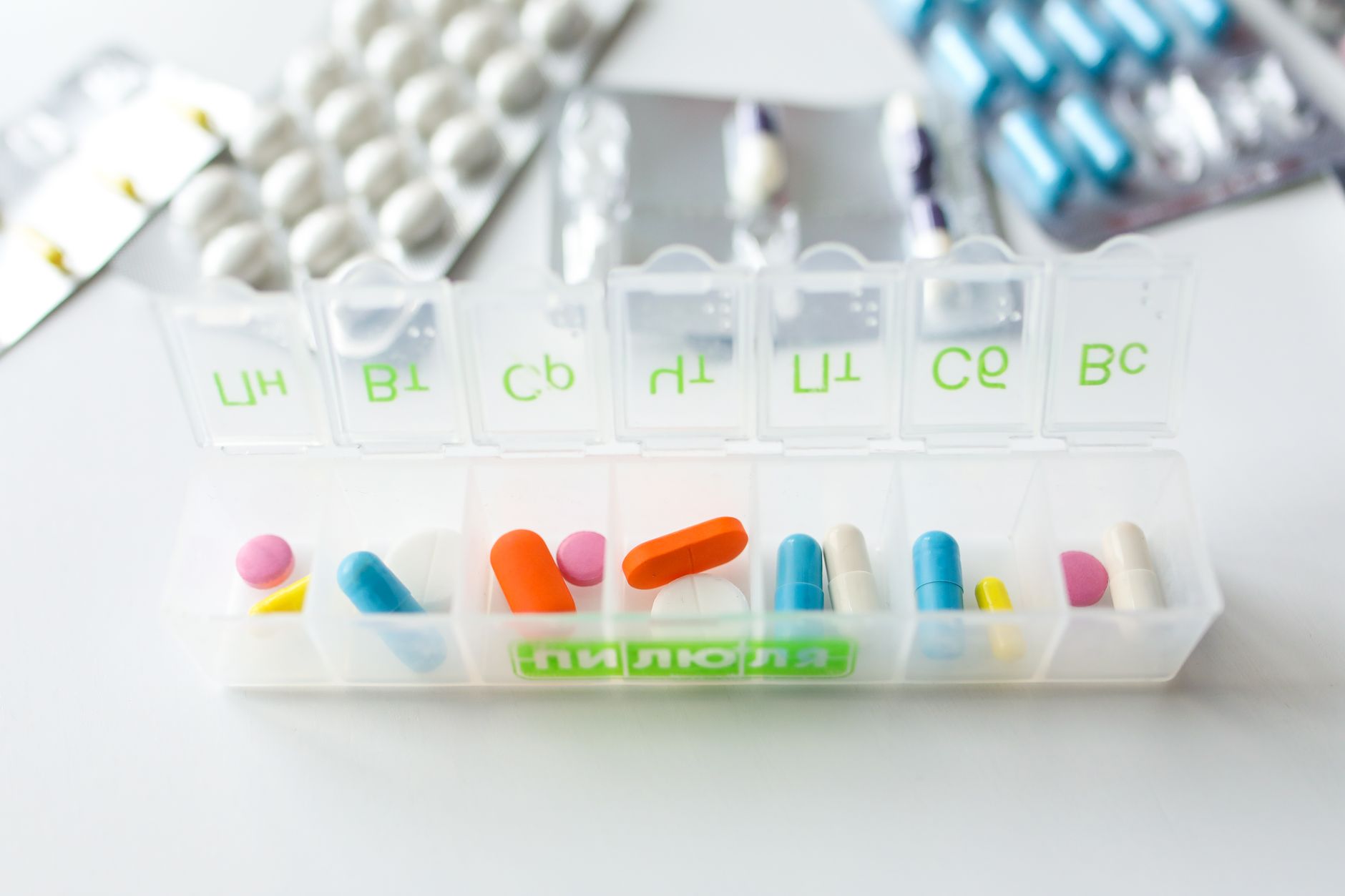
Understanding Taltz Interactions: A Comprehensive Guide for Indian Patients Taltz, known scientifically as ixekizumab, is a powerful medication prescribed for managing certain autoimmune conditions like plaque psoriasis and psoriatic arthritis. While it offers significant relief, it's crucial for patients in India and worldwide to understand its potential interactions with other substances, including medications, alcohol, and even certain health conditions. This guide aims to provide clear, practical information to help you navigate your Taltz treatment safely and effectively. What is Taltz and How Does it Work? Taltz belongs to a class of drugs called interleukin-17A (IL-17A) inhibitors. IL-17A is a protein that plays a key role in the inflammation associated with certain autoimmune diseases. By blocking IL-17A, Taltz helps to reduce inflammation and alleviate the symptoms of conditions such as plaque psoriasis, psoriatic arthritis, ankylosing spondylitis, and more. It is typically administered via injection. Potential Interactions with Other Medications One of the most critical aspects of Taltz treatment is understanding how it might interact with other drugs you are taking. An interaction occurs when one substance affects how another substance works, potentially leading to unexpected side effects or reduced effectiveness. It is vital to inform your doctor about all medications, including over-the-counter drugs, herbal supplements, and vitamins, that you are currently using or plan to use. Drugs That May Increase Side Effect Risk: Abatacept (Orencia): This medication is also used to treat autoimmune conditions. Taking Taltz with abatacept can increase the risk of side effects because both drugs can suppress the immune system. This suppression can make you more vulnerable to infections. Your doctor will likely choose between Taltz and abatacept rather than prescribing them together. Tofacitinib (Xeljanz, Xeljanz XR): Similar to abatacept, tofacitinib is used for autoimmune diseases. Combining it with Taltz can heighten the risk of experiencing side effects from either medication. Upadacitinib (Rinvoq): Another drug that targets similar pathways, upadacitinib, when taken with Taltz, can also increase the risk of side effects and infections due to combined immune suppression. Canakinumab (Ilaris): This medication is also an IL-17 inhibitor and should not be used concurrently with Taltz due to an increased risk of adverse effects. It's important to note that this list is not exhaustive. Always discuss any new medication with your doctor before starting it, especially if you are on Taltz. Medications That Do Not Typically Interact: Fortunately, Taltz does not appear to have significant interactions with certain other treatments. For example: Antibiotics: Taltz is not known to interact with antibiotics. However, if you develop an infection while on Taltz, your doctor will prescribe the appropriate antibiotic treatment. Sun Exposure Therapy (for Psoriasis): While it's always wise to protect your skin from excessive sun, Taltz is not known to have a specific interaction with phototherapy used for psoriasis. Taltz and Alcohol Consumption For many patients, the question of whether they can enjoy a drink while on medication is common. Regarding Taltz and alcohol, there is no direct known interaction that changes how the drug works. However, alcohol can exacerbate some of the common side effects of Taltz, such as nausea. If you choose to drink alcohol during your Taltz treatment, it's essential to do so in moderation and discuss safe limits with your doctor. Excessive alcohol consumption can also negatively impact overall health, which is particularly important when managing chronic conditions. Interactions with Health Conditions Certain pre-existing health conditions can make Taltz a less suitable treatment option or require careful monitoring. These are known as contraindications. Allergic Reactions: If you have a history of allergic reactions to Taltz or any of its inactive ingredients, your doctor will likely not prescribe it. Continuing with a medication that caused a previous allergic reaction can lead to severe health consequences. Your doctor can explore alternative treatments that are safer for you. Infections: Taltz works by modulating the immune system, which can make the body more susceptible to infections. It is crucial to inform your doctor about any current infections you have before starting Taltz. This includes a history of tuberculosis (TB), as certain immune-suppressing medications can reactivate latent TB. Your doctor will assess your risk and may perform tests to ensure it's safe to start Taltz. Taltz During Pregnancy For women who are pregnant or planning to become pregnant, Taltz requires special consideration. If you become pregnant while receiving Taltz, it is highly recommended to enroll in the drug's pregnancy registry. This registry collects important information about how Taltz might affect pregnancies and newborns. You can contact the registry at 800-284-1695 for more details or to sign up. This information helps healthcare providers understand the drug's safety profile better. When to Consult Your Doctor Open communication with your healthcare provider is paramount throughout your Taltz treatment. You should consult your doctor immediately if you experience any of the following: Signs of a new infection (fever, chills, persistent cough, sore throat, pain during urination). Any signs of an allergic reaction (rash, itching, swelling, severe dizziness, trouble breathing). Worsening of existing symptoms or the development of new, concerning symptoms. If you are considering starting any new medication, supplement, or herbal remedy. If you become pregnant or are planning to conceive. If you have any questions or concerns about your Taltz treatment or potential interactions. Conclusion Taltz is an effective treatment for several autoimmune conditions, but like all medications, it requires careful management. Understanding its potential interactions with other drugs, alcohol, and your overall
In summary, timely diagnosis, evidence-based treatment, and prevention-focused care improve long-term health outcomes.
Visit Hospital
Near You
Learn about kidney transplant options in Narendrapur, recovery, and donor criteria. Expert insights for informed decisions.
May 19, 2026
Explore LASIK eye surgery in Madhepura. Learn about eligibility, the procedure, benefits, risks, and costs from trusted specialists.
May 19, 2026
Explore LASIK surgery in Nalanda. Understand eligibility, the procedure, recovery, and costs for vision correction at leading eye clinics.
May 19, 2026