

Emergency & Help
24/7 Emergency & General Advisory
🚨 24/7 Medical Emergency
Non-Emergency Advisory
10:00 AM – 6:00 PM, Mon–Sat
For appointments & general queries.
24/7 Emergency & General Advisory
🚨 24/7 Medical Emergency
Non-Emergency Advisory
10:00 AM – 6:00 PM, Mon–Sat
For appointments & general queries.
Stay updated with our latest healthcare news and your appointments.
An in-depth look at the potential side effects of Zepbound (tirzepatide), including common, mild, and serious reactions, and how to manage them effectively for weight management and sleep apnea treatment.
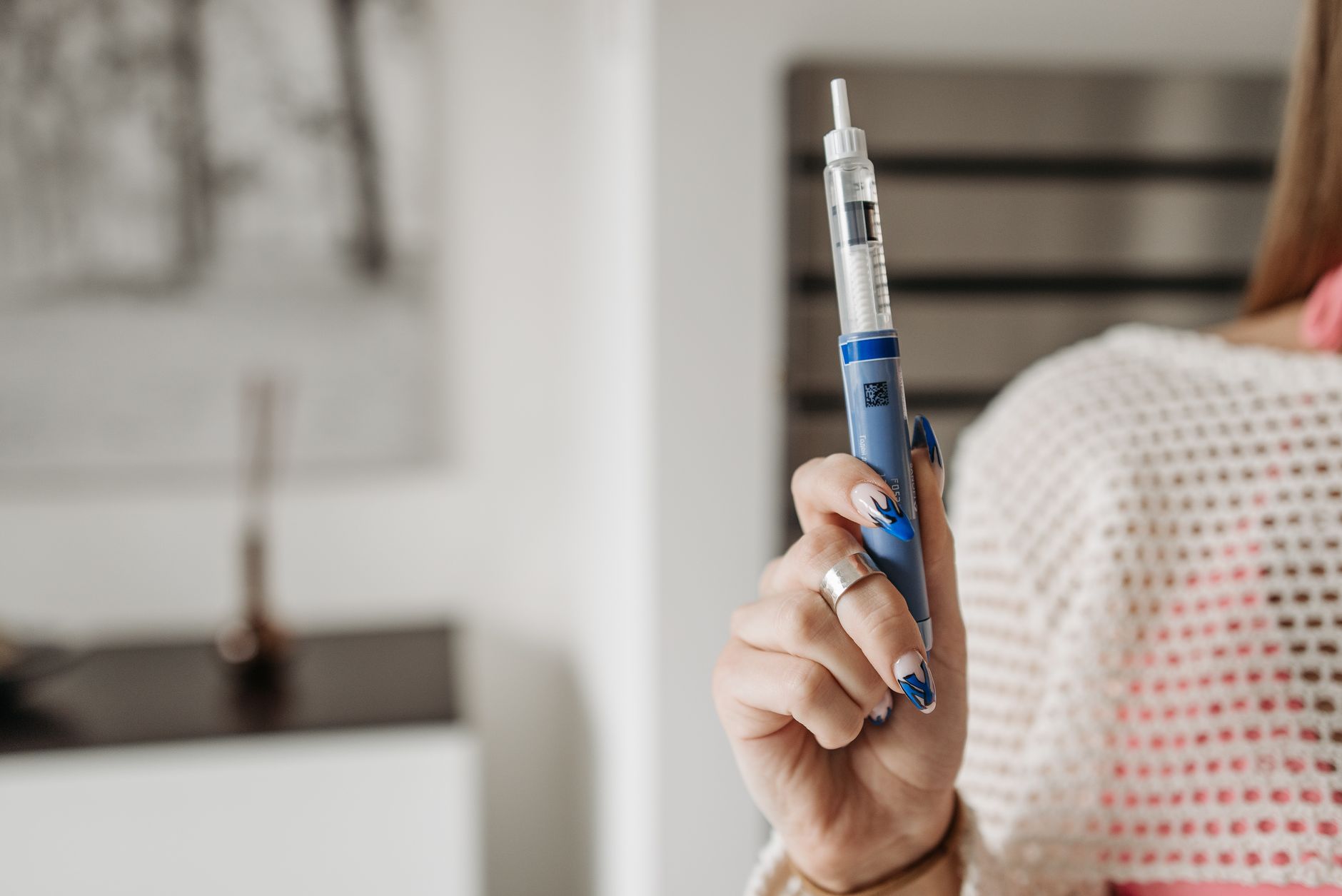
Exploring the Side Effects of Zepbound (Tirzepatide) for Weight Management and Sleep Apnea Zepbound, with its active ingredient tirzepatide, is a prescription medication approved for adults struggling with obesity or excess weight, especially when accompanied by weight-related health issues like type 2 diabetes, heart disease, or high blood pressure. It is also used to treat obstructive sleep apnea in adults who are overweight or have obesity. While Zepbound can be a powerful tool in managing weight and improving health outcomes, it's crucial for patients to be aware of its potential side effects. This article provides a comprehensive overview of what to expect, from common and mild reactions to more serious concerns, and how to manage them effectively. Common and Mild Side Effects of Zepbound Many individuals using Zepbound experience gastrointestinal (digestive) issues, which are among the most frequently reported side effects. These can include: Nausea Diarrhea Indigestion (dyspepsia) Constipation While these symptoms can be uncomfortable, they are often mild and tend to lessen over time as your body adjusts to the medication. In clinical studies, these digestive side effects were rarely severe. Other mild side effects that may occur include: Injection site reactions: These can manifest as bruising, itching, or a rash where the injection was administered. Fatigue Decreased appetite Abdominal pain Vomiting Hair loss (alopecia) Heartburn Dizziness Bloating Belching Gas Irritability Most of these mild side effects are temporary and can be managed with simple strategies. If you experience persistent or bothersome symptoms, it is advisable to consult your doctor or pharmacist. It is important not to stop taking Zepbound unless your healthcare provider recommends it. Serious Side Effects of Zepbound While less common, Zepbound can cause serious side effects that require immediate medical attention. These include: Pancreatitis Inflammation of the pancreas (pancreatitis) is a serious potential side effect. Symptoms to watch for include: Severe pain in your abdomen that may spread to your back Nausea and vomiting If you experience these symptoms, seek medical help immediately. Gallbladder Problems Zepbound may increase the risk of gallbladder issues, such as gallstones. Signs of gallbladder problems include: Pain in the upper abdomen Fever Jaundice (yellowing of the skin or eyes) Clay-colored stools Kidney Problems In some cases, Zepbound can affect kidney function, potentially leading to kidney problems or worsening existing ones. Symptoms might include: Changes in urination frequency or amount Swelling in the legs or ankles Fatigue Severe Allergic Reactions Although rare, severe allergic reactions can occur. Symptoms of a severe allergic reaction include: Swelling of the face, lips, tongue, or throat Difficulty breathing or swallowing Severe rash or itching Dizziness or fainting If you experience any of these symptoms, call 911 or your local emergency number immediately, as these can be life-threatening. Risk of Thyroid Tumors Zepbound carries a boxed warning regarding the potential risk of thyroid C-cell tumors. This risk has been observed in animal studies. Individuals with a personal or family history of medullary thyroid carcinoma (MTC) or Multiple Endocrine Neoplasia syndrome type 2 (MEN 2) should not use Zepbound due to this increased risk. Symptoms of thyroid tumors may include: A lump or swelling in your neck Hoarseness Trouble swallowing or breathing Suicidal Thoughts or Behavior While suicidal thoughts or behavior were not reported in studies of Zepbound, this side effect has occurred with other long-term weight management drugs. If you experience any changes in mood, unusual thoughts, or behaviors, or have thoughts of harming yourself, contact your doctor or seek emergency help immediately. You can also reach out to the 988 Suicide and Crisis Lifeline by calling or texting 988, or by chatting at 988lifeline.org for free, confidential support 24/7. Managing Zepbound Side Effects The best approach to managing side effects is to communicate openly with your healthcare provider. They can offer strategies to alleviate discomfort and monitor for any serious issues. For Digestive Issues: Eating smaller, more frequent meals, avoiding greasy or spicy foods, and staying hydrated can help. Your doctor might also suggest medications to manage nausea or constipation. For Injection Site Reactions: Rotating injection sites and ensuring proper injection technique can minimize irritation. General Advice: Follow your prescribed reduced-calorie diet and exercise plan diligently, as these are integral parts of Zepbound therapy and can help mitigate some side effects. Long-Term Side Effects Long-term side effects of Zepbound have not yet been extensively reported, as it is a relatively new medication. Ongoing research and post-marketing surveillance will provide more insights into potential long-term effects. It is essential to attend all scheduled follow-up appointments with your doctor to monitor your health over time. When to Consult a Doctor It is crucial to contact your doctor immediately if you experience any of the following: Symptoms of serious side effects, such as severe abdominal pain, persistent vomiting, signs of pancreatitis, gallbladder problems, or severe allergic reactions. Any changes in mood, behavior, or thoughts of self-harm. Signs of a thyroid tumor. Any side effects that are severe, persistent, or bothersome. If you believe you are experiencing a life-threatening side effect or medical emergency, call 911 or your local emergency number immediately. Prevention and Lifestyle Considerations Zepbound is most effective when used in conjunction with a healthy lifestyle. This includes adhering to a reduced-calorie diet and engaging in regular physical activity. These lifestyle changes not only support weight management but can also help improve overall health and potentially reduce the severity or incidence of some side effects. Conclusion Zepbound
In summary, timely diagnosis, evidence-based treatment, and prevention-focused care improve long-term health outcomes.
Visit Hospital
Near You
Learn about kidney transplant options in Narendrapur, recovery, and donor criteria. Expert insights for informed decisions.
May 19, 2026
Explore LASIK eye surgery in Madhepura. Learn about eligibility, the procedure, benefits, risks, and costs from trusted specialists.
May 19, 2026
Explore LASIK surgery in Nalanda. Understand eligibility, the procedure, recovery, and costs for vision correction at leading eye clinics.
May 19, 2026