

Emergency & Help
24/7 Emergency & General Advisory
🚨 24/7 Medical Emergency
Non-Emergency Advisory
10:00 AM – 6:00 PM, Mon–Sat
For appointments & general queries.
24/7 Emergency & General Advisory
🚨 24/7 Medical Emergency
Non-Emergency Advisory
10:00 AM – 6:00 PM, Mon–Sat
For appointments & general queries.
Stay updated with our latest healthcare news and your appointments.
Explore the potential side effects of Xiidra eye drops for dry eye disease, including common, mild, and serious reactions. Learn about management strategies and when to consult a doctor.
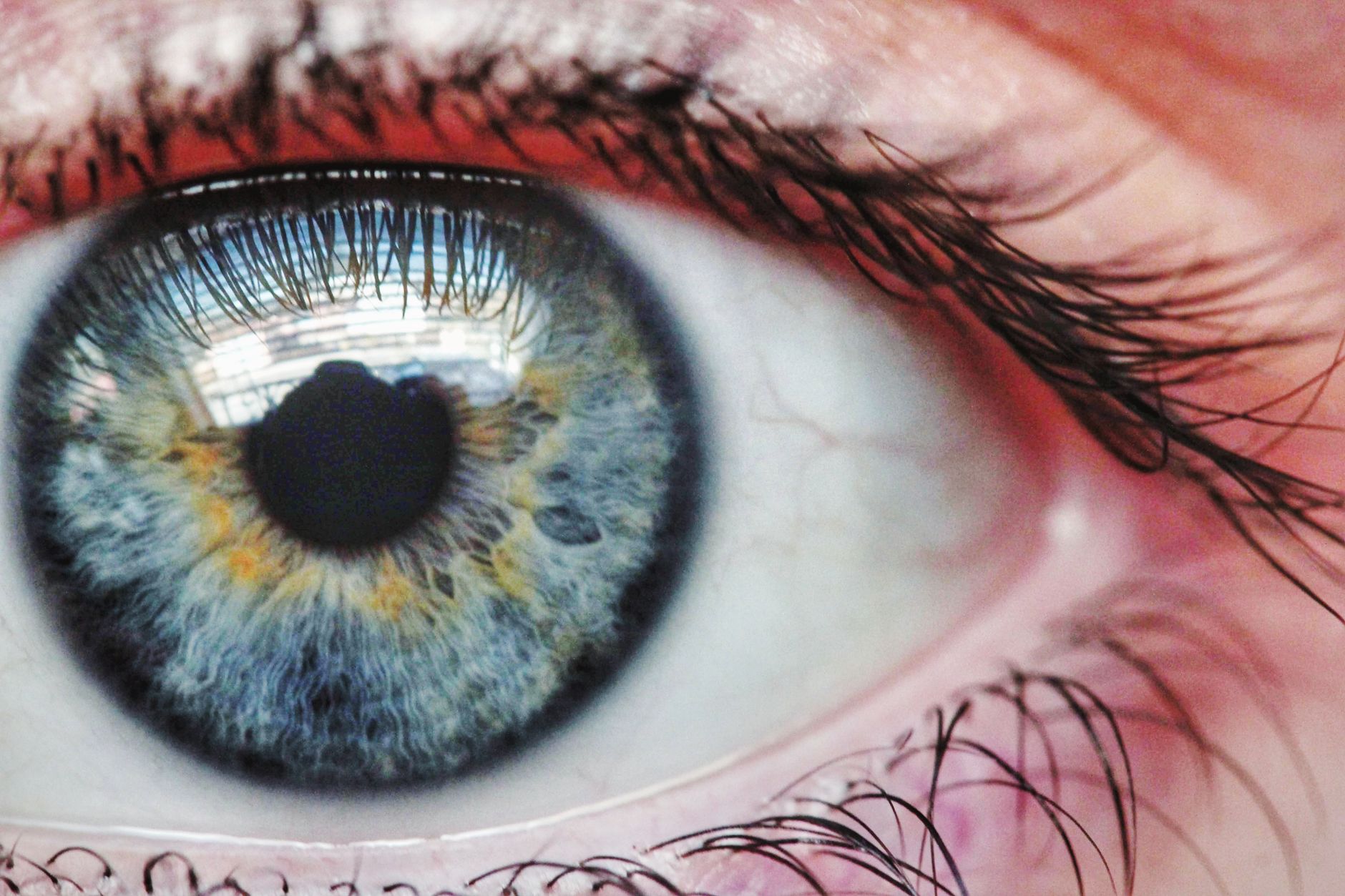
Xiidra, a prescription eye drop, is a crucial medication for adults and certain children (17 years and older) suffering from dry eye disease. It works by targeting inflammation that contributes to dry eyes. While effective, like all medications, Xiidra can cause side effects, ranging from mild to serious. This guide aims to provide comprehensive information about these potential side effects, their management, and when to seek medical attention, specifically tailored for an Indian audience.
Dry eye disease is a common condition where your eyes don't produce enough tears, or the tears evaporate too quickly. This can lead to discomfort, blurred vision, and potential damage to the eye's surface. Symptoms often include:
In India, factors like pollution, prolonged screen time due to work and education, and certain climatic conditions can exacerbate dry eye symptoms.
Xiidra belongs to a class of drugs called lymphocyte function-associated antigen-1 (LFA-1) antagonists. It works by inhibiting the interaction between LFA-1 and ICAM-1, proteins found on the surface of white blood cells. This interaction plays a role in the inflammation associated with dry eye disease. By reducing this inflammation, Xiidra helps to improve tear production and reduce the symptoms of dry eyes. It is important to note that Xiidra is not a steroid medication.
While Xiidra is generally well-tolerated, some common side effects may occur. These are typically mild and can often be managed with simple measures. The most frequently reported side effects include:
In addition to the common side effects, some individuals may experience other mild adverse effects. These can include:
These mild side effects are usually temporary and may resolve on their own. However, if they persist or cause significant discomfort, it is essential to consult your doctor or pharmacist. Do not stop using Xiidra unless specifically advised by your healthcare provider.
Although rare, Xiidra can cause serious side effects, including severe allergic reactions. While allergic reactions were not observed in clinical studies, they have been reported since the drug became available. Symptoms of a mild allergic reaction can include:
Symptoms of a severe allergic reaction are more serious and require immediate medical attention. These can include:
If you experience any symptoms of a severe allergic reaction, call emergency services (like 108 in India) immediately or go to the nearest hospital emergency room. These reactions can be life-threatening.
For mild and common side effects, several strategies can help:
For mild allergic reactions (like rash or itching), contact your doctor. They might suggest treatments such as oral antihistamines. However, never self-medicate for severe reactions.
It is crucial to consult your doctor or eye care professional in the following situations:
Always inform your doctor about all other medications you are taking, including over-the-counter drugs, supplements, and herbal remedies, to avoid potential interactions.
Xiidra is approved for use in children aged 17 years and older. The potential side effects are expected to be similar to those in adults. Parents and guardians should monitor children closely for any adverse reactions and report them to the prescribing doctor immediately.
While most side effects are temporary, it's always wise to discuss any concerns about long-term effects with your doctor. Reduced visual acuity is typically temporary, but any persistent vision changes should be evaluated promptly.
No, Xiidra is not a steroid. It belongs to a different class of medications called LFA-1 antagonists.
The effectiveness of Xiidra can vary among individuals. Some people may notice improvement in their symptoms within a few weeks, while for others, it may take longer. Consistent use as prescribed by your doctor is key.
If you miss a dose, use it as soon as you remember. However, if it is almost time for your next scheduled dose, skip the missed dose and continue with your regular dosing schedule. Do not double the dose to catch up.
The prescribing information for Xiidra states that contact lenses should be removed before instilling the drops and should be reinserted after 15 minutes. Always follow your doctor's specific instructions regarding contact lens wear.
Xiidra is an important treatment option for dry eye disease, offering relief to many. Understanding its potential side effects, knowing how to manage mild ones, and recognizing the signs of serious reactions are crucial for safe and effective use. Always maintain open communication with your healthcare provider regarding any concerns or side effects experienced during treatment. Early detection and appropriate management can ensure the best possible outcomes for your eye health.
Visit Hospital
Near You
Learn about kidney transplant options in Narendrapur, recovery, and donor criteria. Expert insights for informed decisions.
May 19, 2026
Explore LASIK eye surgery in Madhepura. Learn about eligibility, the procedure, benefits, risks, and costs from trusted specialists.
May 19, 2026
Explore LASIK surgery in Nalanda. Understand eligibility, the procedure, recovery, and costs for vision correction at leading eye clinics.
May 19, 2026