

Emergency & Help
24/7 Emergency & General Advisory
🚨 24/7 Medical Emergency
Non-Emergency Advisory
10:00 AM – 6:00 PM, Mon–Sat
For appointments & general queries.
24/7 Emergency & General Advisory
🚨 24/7 Medical Emergency
Non-Emergency Advisory
10:00 AM – 6:00 PM, Mon–Sat
For appointments & general queries.
Stay updated with our latest healthcare news and your appointments.
Exploring the use of aloe vera for male enhancement. Discover what science says about its effectiveness and safety, and learn about proven natural alternatives for sexual health.
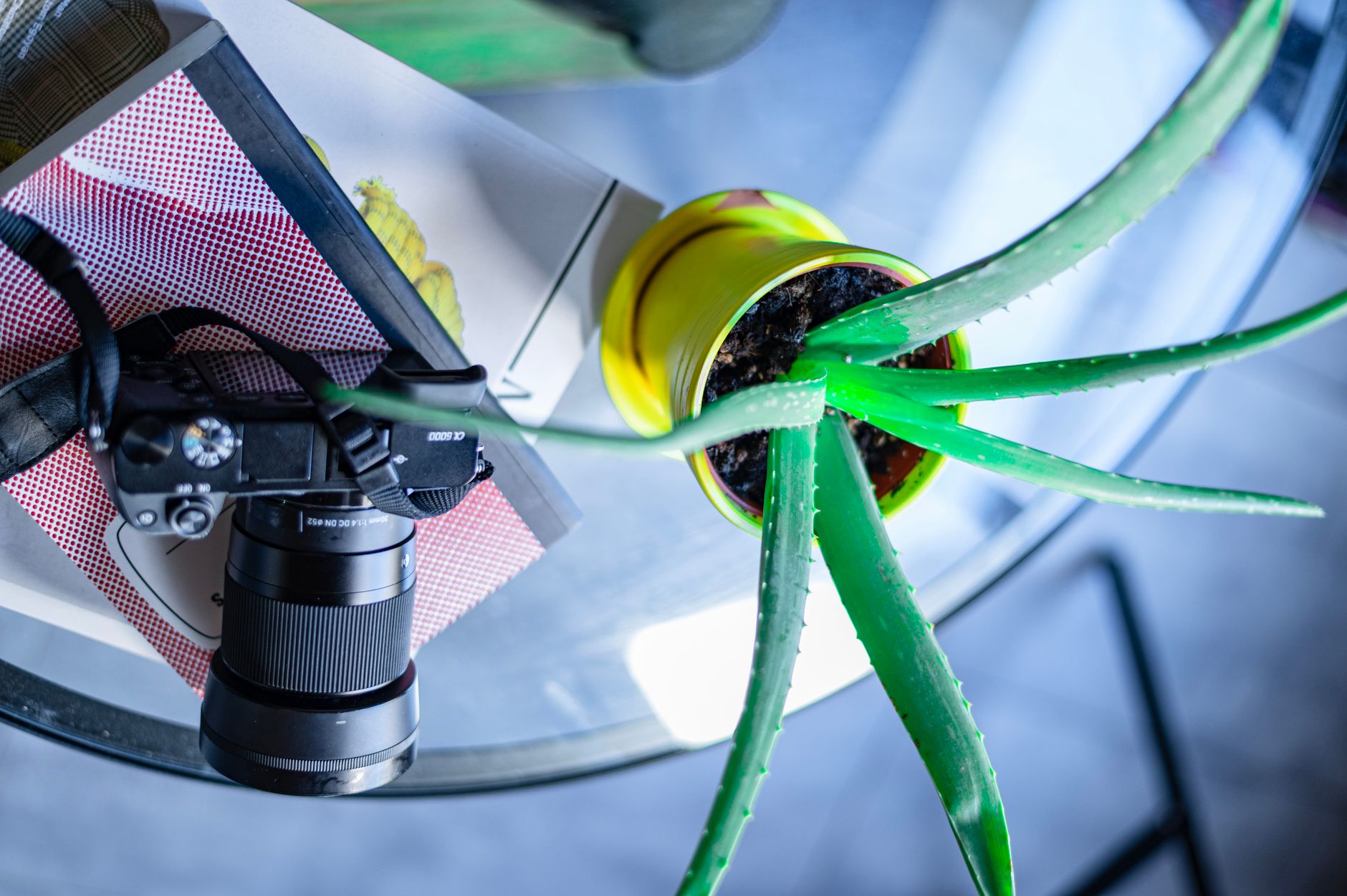
Aloe vera, that succulent green plant with the soothing gel, is a household name, isn't it? We've all reached for that cooling gel to soothe a nasty burn or perhaps added its juice to our morning smoothie, hoping for a health boost. It's lauded for its skin-healing properties and its presence in countless wellness products. But what happens when we talk about its use for something as sensitive as male enhancement? Can this multi-purpose plant really deliver on promises of improved size, stamina, or sexual function? Let's dive into the science – and the myths – surrounding aloe vera and male sexual health. What is Male Enhancement? Before we get to aloe vera, let's clarify what 'male enhancement' actually means. It's a broad term, you see. It can refer to any attempt to improve the appearance, size, or function of the male genitalia, most commonly the penis. This can encompass a range of goals: increasing penis size or improving its look, achieving stronger and longer-lasting erections, or addressing issues with ejaculation. Sometimes, male enhancement is sought to combat erectile dysfunction (ED). ED isn't just about not getting an erection; it's a spectrum, and often, it's a symptom of an underlying health problem, like heart disease or a side effect from certain medications. The drive for enhancement can stem from a desire for better sexual pleasure or to improve fertility. Whatever the reason, it's crucial that any approach is tailored to the individual's specific needs and goals. And that, my friends, always starts with a conversation with your doctor. Aloe Vera and Male Enhancement: What Does the Research Say? The idea of using natural remedies for sexual health isn't new. Many traditional practices incorporate herbs and plants. However, when it comes to aloe vera and its specific application for male enhancement, the scientific evidence is, frankly, quite thin. Most of the research that exists has been conducted on animals, and the results are far from conclusive. In fact, some of these studies have raised more questions and concerns than they have provided answers. Animal Studies: A Mixed Bag Let's look at what the studies have shown: A study from 2011, focusing on the topical application of aloe vera, observed a reduction in sperm concentration and quality in animals. This is certainly not the outcome one would hope for if aiming for reproductive health benefits. Fast forward to 2014, and another study emerged. This one involved mice receiving injections of an aloe vera compound. Interestingly, this research suggested potential benefits for sperm health and hormone levels. A glimmer of hope, perhaps? However, by 2015, a study involving male rats indicated that aloe vera might actually be detrimental to fertility. This contradictory evidence highlights the complexity and the lack of clear consensus in the scientific community regarding aloe vera's impact on male reproductive health. So, what's the takeaway? These animal studies present a confusing picture. While one hinted at potential positives, others pointed towards negative impacts on sperm and fertility. This inconsistency means we can't confidently rely on aloe vera for male enhancement based on current scientific findings. It underscores the importance of not extrapolating results from animal studies directly to humans, especially when dealing with sensitive health matters. Topical Use: General Skin Benefits, But What About Genitalia? We know aloe vera excels at skin care. Its gel is a fantastic moisturizer and a proven aid in healing burns and minor wounds. It's this general reputation for being beneficial for the skin that likely fuels the speculation about its use on more intimate areas. However, the skin on the face or arms is quite different from the delicate tissues of the genitalia. What's safe and effective for one area might not be for another. While aloe vera is generally considered safe for topical use on the skin, applying it directly to the genital area without thorough research and medical advice is not recommended. The potential for irritation or adverse reactions, especially given the conflicting animal study results concerning reproductive health, should give us pause. Other Natural Approaches to Male Sexual Health If you're exploring natural avenues to enhance your sexual health or address concerns like erectile dysfunction, aloe vera might not be the most reliable option based on the current evidence. Fortunately, there are other natural remedies and lifestyle changes that have garnered more scientific attention and show promise. Herbal Remedies with More Support Several herbs and compounds have been studied more extensively for their potential benefits in male sexual health: Ginseng: Often referred to as the 'king of herbs', Panax ginseng, in particular, has been researched for its potential to improve erectile function. Horny Goat Weed (Epimedium): This herb contains compounds like icariin, which may help improve blood flow and potentially aid in achieving erections. Maca Root: Originally from Peru, maca is known for its potential to boost libido and improve energy levels, though its direct impact on erection quality is still debated. L-Arginine: This amino acid plays a role in producing nitric oxide, a molecule that helps relax blood vessels and improve blood flow, which is essential for erections. Remember, even with these, it's essential to consult your doctor before trying any new supplement. They can interact with other medications or have side effects. Lifestyle Factors: The Foundation of Sexual Health Often, the most powerful 'enhancements' come from within, through adopting a healthy lifestyle. These changes benefit your overall health and can significantly impact your sexual well-being: Balanced Diet: A diet rich in fruits, vegetables, whole grains, and lean proteins supports cardiovascular health, which is directly linked to erectile function. Think of foods that are good for your heart – they're good for your sex life too! Regular Exercise: Physical activity improves blood circulation, helps manage weight, reduces stress, and boosts mood – all vital for sexual health. Aim for a mix of aerobic exercise and strength training. Stress Management: Chronic stress can wreak havoc on your libido and sexual performance. Techniques like mindfulness, meditation, deep breathing exercises, or engaging in hobbies can make a big difference. Adequate Sleep: Sleep is when your body repairs itself and regulates hormones, including testosterone. Aim for 7-9 hours of quality sleep per night. Limiting Alcohol and Avoiding Smoking: Excessive alcohol consumption and smoking can impair blood flow and nerve function, negatively affecting sexual performance. Oral Aloe Vera: Beyond Male Enhancement While we're focusing on male enhancement, it's worth briefly touching upon the oral use of aloe vera for other health claims. It's commonly found in juices or supplements, purported to help with digestive issues, blood sugar control, and skin conditions. However, the scientific backing for these uses is also not robust. There's limited high-quality data to confirm its effectiveness for many of these conditions. Furthermore, oral aloe vera, especially the latex form, can have potent laxative effects and may interact with certain medications, like diuretics and diabetes drugs. It's always best to discuss oral supplementation with your doctor. When to Consult a Doctor If you're experiencing concerns about your sexual health, including erectile dysfunction, decreased libido, or issues with ejaculation, please don't hesitate to seek professional medical advice. Ignoring these issues won't make them disappear, and often, they can be signs of underlying health conditions that require attention. A doctor can: Help identify the root cause of your concerns. Discuss safe and evidence-based treatment options tailored to you. Provide guidance on lifestyle changes that can genuinely improve your sexual health. Rule out any serious underlying medical conditions. Don't self-diagnose or experiment with unproven remedies. Your sexual health is an important part of your overall well-being, and it deserves professional care. Frequently Asked Questions (FAQ) Q1: Is aloe vera safe to apply directly to the penis? A1: While aloe vera is generally safe for skin, applying it directly to the sensitive genital area is not recommended without consulting a doctor. Some animal studies have shown potentially negative effects on sperm and fertility, making its safety for this specific use questionable. Q2: Can aloe vera juice improve erections? A2: There is currently no strong scientific evidence to support the claim that drinking aloe vera juice can improve erections. More research is needed, and other natural methods and lifestyle changes have more supporting evidence. Q3: What are the proven natural ways to improve male sexual health? A3: Proven natural approaches focus on a healthy lifestyle: a balanced diet, regular exercise, stress management, adequate sleep, and limiting alcohol and smoking. Certain herbal supplements like Ginseng and Maca root may also offer benefits, but always discuss these with your doctor first. Q4: Are there any side effects of using aloe vera orally? A4: Yes, oral aloe vera, particularly the latex form, can act as a strong laxative. It can also interact with certain medications, such as those for diabetes and diuretics. Always consult your doctor before taking aloe vera supplements. Q5: What should I do if I suspect I have erectile dysfunction? A5: If you suspect you have ED, the best course of action is to schedule an appointment
In summary, timely diagnosis, evidence-based treatment, and prevention-focused care improve long-term health outcomes.
Visit Hospital
Near You
Learn about operation theatres in Uttar Dinajpur, surgical procedures, safety, and choosing the right hospital for your care.
May 20, 2026

Discovering a bump on your scrotum can be concerning, but many are harmless. Learn about common causes like pimples, cysts, and varicoceles, as well as serious conditions like STIs and testicular cancer. Understand the symptoms and know when to seek medical help.
April 1, 2026

Understand the difference between 'growers' and 'showers' – terms describing how a penis changes size from flaccid to erect. Learn about the research, measurement, and when to consult a doctor.
April 1, 2026