Testosterone, often thought of as the 'male hormone', is actually vital for everyone, regardless of gender. It plays a significant role in muscle mass, strength, bone health, and even mood. While genetics and age play a part, lifestyle choices, particularly exercise, can significantly influence your testosterone levels. For us in India, understanding how to naturally boost this important hormone can lead to better overall health and well-being.
Many of us wonder if hitting the gym or going for a run actually makes a difference to our hormone levels. The good news is, yes, it does! Different types of workouts can have varying effects. Let’s explore how your favourite exercises can impact your testosterone and what you can do to maximise these benefits.
Why is Testosterone Important?
Before we dive into exercise, let's quickly understand why balanced testosterone levels matter. For men, it’s key for:
- Muscle development and maintenance
- Bone density
- Sex drive and reproductive function
- Red blood cell production
- Mood and energy levels
But women need it too! In smaller amounts, testosterone contributes to:
- Bone strength
- Muscle mass
- Libido
- Overall energy
Maintaining healthy testosterone levels isn't just about feeling good; it can also help lower the risk of conditions like obesity, type 2 diabetes, and heart disease, which are concerns for many families across India.
How Exercise Influences Testosterone
When you engage in challenging workouts, especially those involving resistance or high intensity, your body signals a temporary increase in testosterone. This hormonal response is your body’s way of saying, “Let’s get stronger!” It helps in:
- Muscle Repair and Growth: After a tough workout, testosterone helps repair damaged muscle fibres and build new ones, making your muscles stronger over time.
- Adaptation to Training: This boost helps your body adapt to the stress of exercise, improving your strength and performance in subsequent workouts.
- Recovery: It aids in recovery, preparing your body for the next physical challenge.
Research indicates that this effect is often more pronounced in men due to their naturally higher baseline testosterone levels. This helps explain why men might see faster gains in muscle size and strength from weight training. However, women also experience a significant testosterone response to exercise, particularly strength training, which supports muscle strength and lean mass development.
Workouts That Can Boost Testosterone
Not all exercises are created equal when it comes to boosting testosterone. Here are the types that show the most promise:
1. Resistance Training (Weightlifting & Bodyweight Exercises)
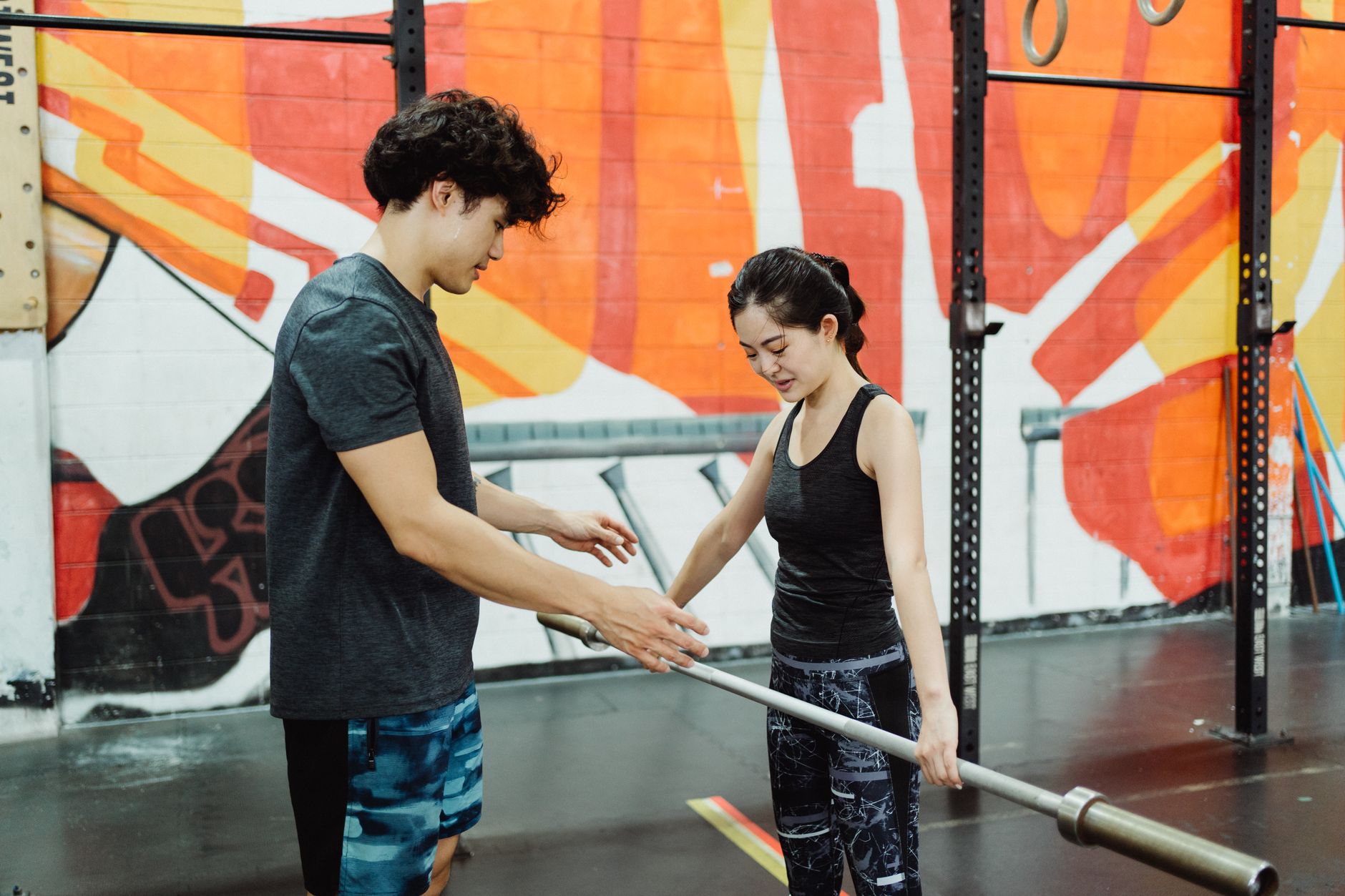
This is perhaps the most effective way to see a short-term increase in testosterone. Lifting weights, using resistance bands, or even doing bodyweight exercises like squats, push-ups, and lunges challenges your muscles. Studies consistently show that:
- Challenging strength workouts lead to a temporary rise in testosterone levels post-exercise.
- Consistent resistance training over time supports muscle growth and boosts strength.
- Compound movements (exercises that work multiple muscle groups at once) like squats, deadlifts, bench presses, and overhead presses are particularly effective.
Real-life scenario: Ramesh, a 40-year-old accountant, felt his energy levels dipping and noticed it was harder to build muscle. He started incorporating 3 sessions of weightlifting per week, focusing on compound exercises. Within a few months, he felt stronger, had more stamina, and his mood improved noticeably.
2. High-Intensity Interval Training (HIIT)
HIIT involves short bursts of intense exercise followed by brief recovery periods. Think of quick sprints, intense cycling intervals, or circuit training. This type of training can also trigger a significant, albeit temporary, increase in testosterone. The key is to push yourself hard during the work intervals.
3. Other Forms of Exercise
While not as potent as resistance training or HIIT, other exercises still contribute to overall health and hormone balance:
- Cardio (Aerobic Exercise): Moderate-intensity cardio like brisk walking, jogging, or cycling is excellent for cardiovascular health and can help manage weight, which indirectly supports healthy testosterone levels. Excessive, prolonged endurance training, however, might have a different effect, so balance is key.
- Low-Impact Workouts: Activities like yoga and Pilates can improve flexibility, reduce stress, and enhance body awareness. While they may not directly spike testosterone like heavy lifting, their stress-reducing benefits can positively impact hormone balance over time.
Factors Influencing the Testosterone Response
It’s not just the type of exercise; several other factors influence how your testosterone levels respond:
- Intensity and Duration: Higher intensity and shorter duration workouts (like HIIT) tend to elicit a stronger, more immediate response compared to long, moderate-intensity sessions.
- Muscle Mass Involved: Exercises that engage larger muscle groups (like squats) generally lead to a greater hormonal response.
- Rest Periods: Shorter rest periods between sets in resistance training might amplify the testosterone boost.
- Individual Factors: Age, baseline hormone levels, genetics, and overall health status all play a role.
The Role of Sleep and Nutrition
Exercise is powerful, but it’s only one piece of the puzzle. For optimal testosterone levels, you also need:
- Adequate Sleep: Aim for 7–9 hours of quality sleep per night. Most testosterone production happens during sleep. Poor sleep can significantly disrupt hormone balance.
- Balanced Nutrition: Ensure your diet includes healthy fats (found in nuts, seeds, avocados, and olive oil), sufficient protein, and essential vitamins and minerals like zinc and vitamin D. These are building blocks for hormone production. Avoid crash diets or extreme calorie restriction, as these can negatively impact testosterone.
When to Be Cautious
While exercise is generally beneficial, overtraining can have the opposite effect. Excessive, prolonged endurance exercise without adequate recovery can potentially lower testosterone levels and increase cortisol (a stress hormone). Listen to your body; if you feel constantly fatigued, your performance is declining, or you’re experiencing mood changes, you might be overtraining.
When to Consult a Doctor
If you suspect your testosterone levels are low, or if you’re experiencing symptoms like persistent fatigue, decreased libido, difficulty building muscle, or mood disturbances, it’s important to consult a doctor. They can perform blood tests to check your levels and discuss potential underlying causes or treatment options. This is especially important if you are considering hormone replacement therapy or have existing health conditions.
Frequently Asked Questions (FAQs)
Q1: Can women benefit from exercise for testosterone?
A1: Yes! While women have lower baseline levels than men, resistance training and HIIT can still temporarily increase testosterone in women, supporting muscle strength and lean mass gains.
Q2: How soon after exercise does testosterone increase?
A2: The increase is typically short-term, often seen within an hour or two after a challenging workout, and levels usually return to baseline within several hours.
Q3: Is cardio bad for testosterone?
A3: Moderate cardio is generally good for overall health and can indirectly support hormone balance. However, extremely long and intense endurance training without proper recovery might have a negative impact.
Q4: What if I’m on hormone therapy (like transgender individuals)?
A4: If you are undergoing hormone therapy, your body's response to exercise might differ. It's best to discuss this with your doctor, as research in this area is still evolving.