

Emergency & Help
24/7 Emergency & General Advisory
🚨 24/7 Medical Emergency
Non-Emergency Advisory
10:00 AM – 6:00 PM, Mon–Sat
For appointments & general queries.
24/7 Emergency & General Advisory
🚨 24/7 Medical Emergency
Non-Emergency Advisory
10:00 AM – 6:00 PM, Mon–Sat
For appointments & general queries.
Stay updated with our latest healthcare news and your appointments.
Discover how to treat and prevent beard split ends with practical tips on hydration, nutrition, and proper grooming. Keep your beard healthy and looking its best!
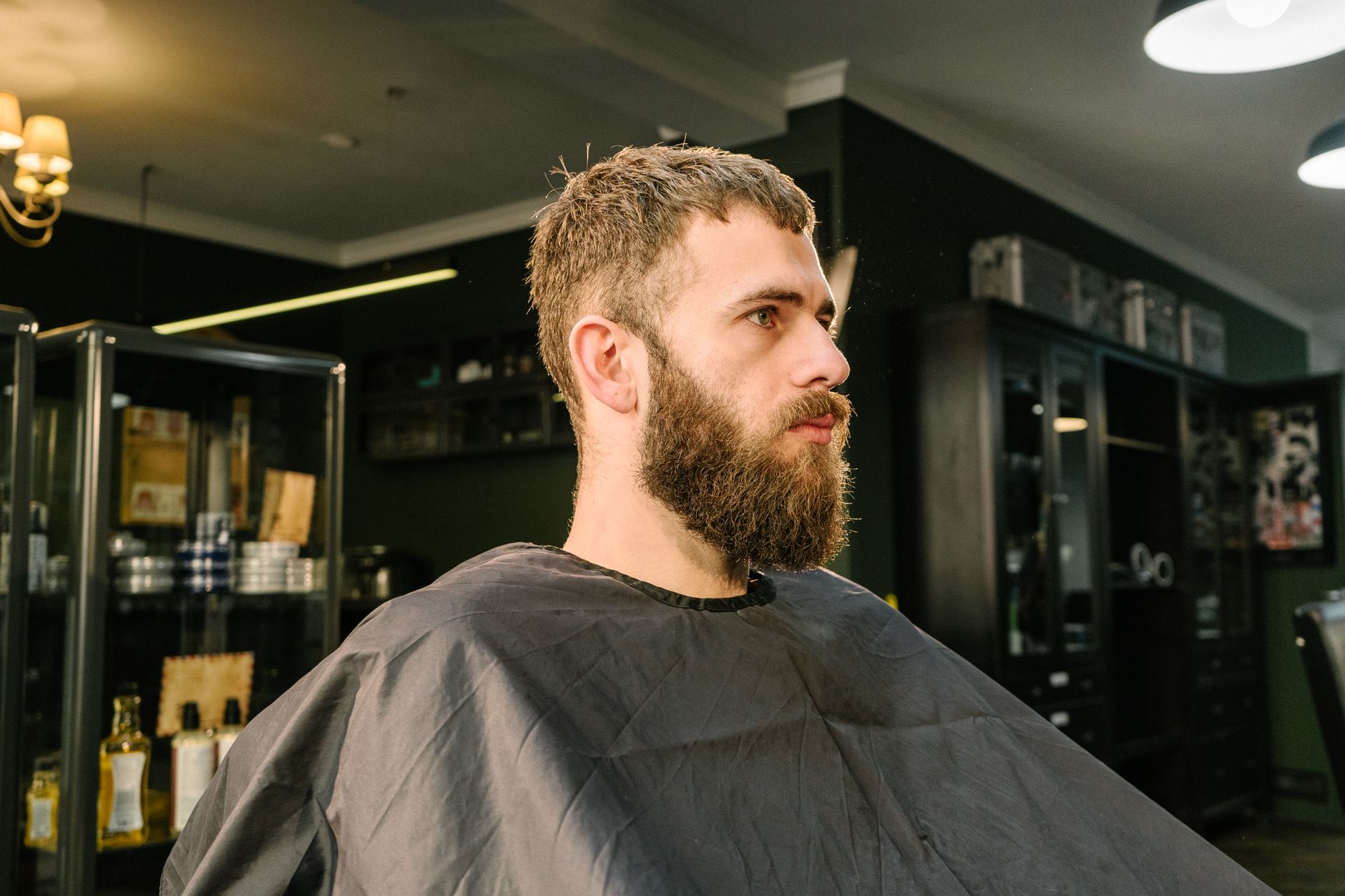
A well-maintained beard can be a man's pride. But what happens when those beard hairs start to look frayed and damaged at the tips? You might be dealing with beard split ends. It sounds unusual, but just like the hair on your head, your beard hair can suffer from dryness, damage, and breakage. This doesn't mean you need to reach for the razor just yet! Understanding what causes beard split ends and how to treat and prevent them is key to keeping your facial hair looking its best. This guide will walk you through everything you need to know, from identifying the problem to implementing a solid grooming routine. What Exactly Are Beard Split Ends? Beard split ends occur when the outermost layer of the hair shaft, known as the cuticle, becomes weathered and damaged. This damage causes the hair strand to split at the tip. Think of it like a rope fraying at the end. When the cuticle is compromised, the inner core of the hair is exposed, making it more vulnerable to further breakage and damage. This can lead to a beard that looks unhealthy, frizzy, and uneven. Why Do Beard Split Ends Happen? Common Causes Several factors can contribute to the development of split ends in your beard. Understanding these causes is the first step towards effective prevention and treatment. Environmental Factors and Harsh Treatments Over-washing: Washing your beard too frequently, especially with harsh shampoos, can strip away the natural oils (sebum) that keep your hair moisturized and protected. Harsh Shampoos: Shampoos designed for scalp hair, particularly those containing sulfates, can be too aggressive for facial hair. They can dry out the beard and irritate the skin underneath. Chemical Exposure: Exposure to harsh chemicals, whether from certain grooming products or environmental pollutants, can weaken the hair shaft. Excessive Heat Styling: While less common for beards, using high heat from tools like hairdryers on a very hot setting can also contribute to dryness and damage. Physical Damage and Grooming Habits Aggressive Brushing or Combing: Brushing a tangled or dry beard too forcefully can cause breakage. Always be gentle, especially if your beard is long or prone to knots. Rubbing or Friction: Constantly rubbing your beard against clothing or rough surfaces can lead to wear and tear on the hair strands. Improper Trimming: Using dull or low-quality trimmers can snag and split hairs rather than cutting them cleanly. Internal Health and Lifestyle Dehydration: Not drinking enough water affects your entire body, including your hair. Dehydrated hair is drier and more prone to breakage. Poor Nutrition: A diet lacking essential nutrients, particularly protein and healthy fats, can impact hair strength and growth. Your hair needs building blocks to stay healthy. Stress: Chronic stress can affect your overall health, including the health of your hair, making it more susceptible to damage. Real-Life Scenario: The Overlooked Grooming Routine Ravi noticed his beard starting to look wispy and unhealthy, with tiny frayed ends that made it appear unkempt. He often skipped conditioner after washing and sometimes used a regular hair shampoo, thinking it was all the same. He also admitted he wasn't drinking as much water as he should. Ravi loved his beard but was frustrated by its declining appearance, unaware that his simple grooming oversights and hydration habits were the main culprits. How to Treat Existing Beard Split Ends Unfortunately, once a hair strand splits, the only permanent solution is to remove the damaged part. However, there are ways to manage and temporarily improve the appearance of split ends while you work on prevention. 1. Trimming: The Most Effective Solution The most direct way to get rid of split ends is to trim them off. You'll need to carefully trim your beard to the point where the hair is no longer split. This might mean sacrificing a little length, but it's essential for promoting healthier growth. Use sharp, high-quality beard scissors or trimmers for a clean cut. Actionable Step: Inspect your beard closely under good lighting. Identify the split ends and trim just above them. If you're unsure, consider visiting a professional barber for a trim. 2. Temporary Fixes with Hair Products While not a permanent solution, certain products can temporarily smooth the appearance of split ends and hold the damaged fragments together until your next wash. Conditioners with Protein: Look for conditioners or leave-in treatments that contain protein-derived substances. These can help strengthen the hair shaft and temporarily bind split ends. Beard Balms and Oils: Balms and oils enriched with moisturizing ingredients like shea butter, coconut oil, or jojoba oil can smooth the hair, making split ends less noticeable and providing hydration. Actionable Step: Apply a small amount of beard balm or oil to your damp beard after washing. Focus on the ends to tame frizz and make the beard look fuller and smoother. Preventing Future Beard Split Ends: A Proactive Approach Prevention is always better than cure. By adopting good grooming habits and focusing on your overall health, you can significantly reduce the chances of developing beard split ends. 1. Hydration is Key: Drink Up! Staying hydrated is fundamental for healthy hair, including your beard. Water keeps your hair moisturized from the inside out, making it less brittle and prone to breakage. Actionable Step: Aim to drink at least eight glasses (around 2 liters) of water per day. Adjust based on your activity level and climate. 2. Nourish Your Beard from Within: Diet Matters A balanced diet provides the nutrients your hair needs to grow strong and healthy. Protein: Hair is primarily made of protein (keratin). Include sources like lean meats, fish, eggs, beans, and lentils in your meals. Biotin: This B vitamin is vital for hair health. Find it in eggs, nuts, seeds, and sweet potatoes. Healthy Fats: Omega-3 fatty acids, found in fatty fish (like salmon), avocados, and nuts, help promote thicker, denser hair. Vitamins and Minerals: Ensure you get enough vitamins A, C, D, and E, along with minerals like zinc and iron, from fruits, vegetables, and whole grains. Actionable Step: Plan your meals to include a variety of protein-rich foods, fruits, vegetables, and healthy fats. Consider a multivitamin if you suspect dietary gaps. 3. Choose the Right Grooming Products The products you use can make a significant difference in your beard's health. Use Beard-Specific Shampoos: Opt for gentle, sulfate-free shampoos formulated specifically for facial hair. These cleanse without stripping essential oils. Always Use Conditioner: After shampooing, apply a conditioner designed for beards or a good quality hair conditioner. This replenishes moisture and smooths the hair cuticle. Incorporate Leave-In Conditioners: For extra hydration, especially if your beard is dry or coarse, a leave-in conditioner can provide continuous moisture and protection. Regularly Apply Beard Oil: Beard oils are excellent for moisturizing the hair and the skin beneath, preventing dryness and itchiness, and keeping the beard soft and manageable. Actionable Step: Switch to a sulfate-free beard wash and always follow up with a beard conditioner. Apply beard oil daily to keep your beard hydrated. 4. Gentle Grooming Techniques Comb or Brush Gently: Use a wide-tooth comb or a boar bristle brush. Start from the tips and work your way up to the roots to detangle gently. This helps distribute natural oils and prevents snagging. Be Mindful During Styling: Avoid excessive tugging or pulling when styling your beard. Use Quality Tools: Invest in sharp beard scissors or trimmers for clean cuts that prevent damage. Actionable Step: Detangle your beard with a comb when it's slightly damp and conditioned. Brush it gently to smooth and style. When to Consult a Doctor or Barber While beard split ends are usually a grooming issue, there are times when professional advice is needed. Persistent Breakage: If you're following all the recommended practices and still experiencing significant breakage or thinning, it could indicate an underlying health issue or a severe reaction to a product. Skin Irritations: If you develop redness, itching, or inflammation on the skin beneath your beard, consult a doctor or dermatologist. Unsure About Trimming: If you're not comfortable trimming your beard yourself or want a professional opinion on shaping and managing split ends, visit a skilled barber. Actionable Step: If you notice unusual changes in your beard's health or experience skin problems, schedule an appointment with a healthcare professional or a trusted barber. Frequently Asked Questions About Beard Split Ends Can beard split ends grow back healthy? The split ends themselves cannot heal; they must be trimmed. However, by treating the underlying causes and adopting good prevention strategies, the new hair that grows will be healthier and less prone to splitting. How often should I trim my beard to avoid split ends? This depends on your beard's growth rate and how quickly it gets damaged. For many, a light trim every 4-6 weeks is sufficient to remove any split ends and maintain shape. Regular inspection is key. Are beard waxes and pomades good for split ends? Waxes and pomades can help by smoothing the hair and making split ends less noticeable. Some
In summary, timely diagnosis, evidence-based treatment, and prevention-focused care improve long-term health outcomes.
Visit Hospital
Near You
Learn about operation theatres in Uttar Dinajpur, surgical procedures, safety, and choosing the right hospital for your care.
May 20, 2026

Discovering a bump on your scrotum can be concerning, but many are harmless. Learn about common causes like pimples, cysts, and varicoceles, as well as serious conditions like STIs and testicular cancer. Understand the symptoms and know when to seek medical help.
April 1, 2026

Understand the difference between 'growers' and 'showers' – terms describing how a penis changes size from flaccid to erect. Learn about the research, measurement, and when to consult a doctor.
April 1, 2026