

Emergency & Help
24/7 Emergency & General Advisory
🚨 24/7 Medical Emergency
Non-Emergency Advisory
10:00 AM – 6:00 PM, Mon–Sat
For appointments & general queries.
24/7 Emergency & General Advisory
🚨 24/7 Medical Emergency
Non-Emergency Advisory
10:00 AM – 6:00 PM, Mon–Sat
For appointments & general queries.
Stay updated with our latest healthcare news and your appointments.
Discover practical tips and treatments for managing frizzy hair in men. Learn about causes, effective home remedies, and when to seek professional advice.
Frizzy hair can be a frustrating issue for men, making even the best-styled hair look unkempt. But what exactly causes this common hair problem, and more importantly, how can you manage and treat it effectively? This guide dives deep into the reasons behind frizzy hair and offers practical, actionable solutions tailored for Indian readers.
Frizzy hair is characterized by strands that stick out or curl away from your head, giving a fuzzy or puffy appearance. While often associated with dry or damaged hair, it’s a concern for many men, especially those with curly or naturally wavy hair types. These hair textures are inherently more prone to drying out and, consequently, becoming frizzy. The good news is that men are just as capable of managing frizz as women. Unless your hair is kept extremely short, you’ll likely encounter frizz at some point. Factors like hot and humid weather can exacerbate the issue, as dry hair tends to absorb moisture from the air, leading to swelling and irregular strand formation.
To understand frizz, we need to look at the structure of our hair. Each strand consists of three layers: the innermost medulla, the middle cortex, and the outermost cuticle. The cuticle is composed of flat, overlapping cells, much like shingles on a roof. Its primary role is to shield the inner layers from environmental damage and seal in essential moisture. When your hair is dry or damaged, these cuticle cells lift or raise, instead of lying flat. This compromised cuticle exposes the inner hair shaft, making it weaker, more susceptible to damage, and prone to frizz.
Several factors can contribute to that dreaded frizz:
Don't despair! You can effectively manage frizzy hair with a few changes to your routine and the right products:
These are the cornerstones of your hair care. While shampoo cleans, conditioner moisturizes and detangles. When selecting products, look for labels that say “moisturizing,” “for dry/frizzy hair,” or contain nourishing oils like argan, coconut, or jojoba oil. It’s also wise to avoid shampoos with sulfates, as they can be particularly drying. For men with dry, frizzy hair, using conditioner every time you shampoo is non-negotiable.
Hair serums are typically silicone-based and create a protective coating over your hair, shielding it from damage and helping it retain moisture. They work by smoothing the hair cuticle and preventing it from swelling. Look for serums containing moisturizing ingredients like castor oil or aloe vera. Apply serum to damp, towel-dried hair immediately after washing for best results.
Hair masks and deep conditioners provide intensive nourishment. They infuse your hair with moisture-retaining ingredients. You can opt for commercially available masks or create your own using natural ingredients. A simple mask can be made from mashed banana, honey, or egg yolks. Leave these masks on for 20 minutes to a few hours before rinsing thoroughly. Aim to use a deep conditioner or hair mask at least once a week, especially if your hair is very dry.
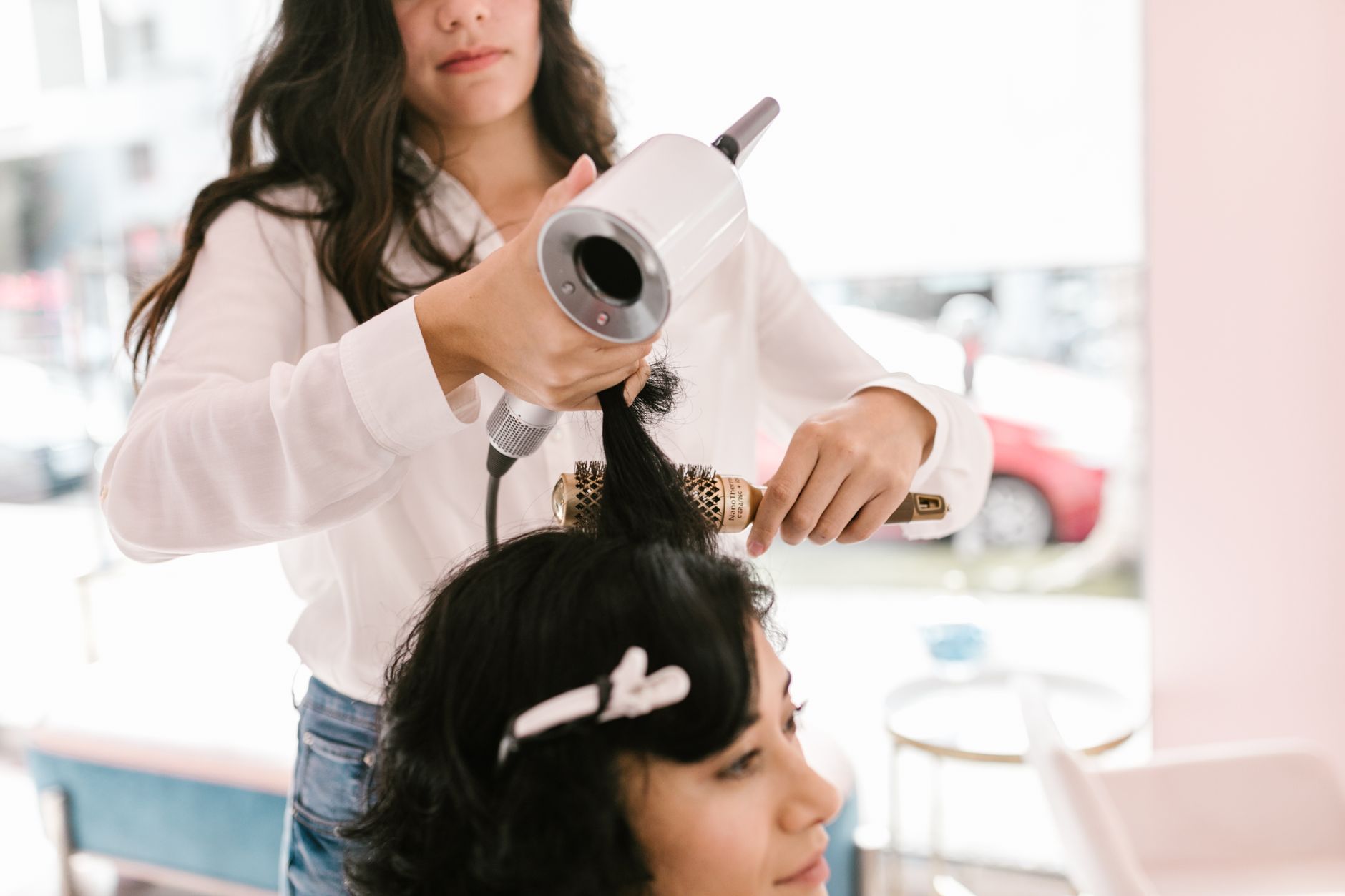
How you dry your hair matters immensely. Instead of vigorously rubbing your hair with a towel, gently squeeze out excess water. Consider using a microfiber towel or an old cotton t-shirt, as these are less abrasive than traditional terrycloth towels. If you must use a blow-dryer, use a low heat setting and a diffuser attachment, and always apply a heat protectant spray beforehand. Air-drying is often the gentlest option when time permits.
Natural oils are excellent for combating dryness and frizz. Coconut oil, argan oil, almond oil, and olive oil can be used as pre-shampoo treatments, leave-in conditioners, or overnight masks. Warm a small amount of oil in your hands and apply it to the lengths and ends of your hair. This simple step can make a significant difference in hair texture and appearance.
During hot, humid weather, consider wearing a hat or using a hair protectant spray with UV filters to shield your hair from sun damage. If you swim regularly, wet your hair with clean water before entering the pool and rinse it thoroughly afterward to minimize chlorine absorption.
Rohan, a software engineer in Bangalore, noticed his hair becoming increasingly frizzy, especially during the monsoon season. His usual quick towel-dry and comb routine left his hair looking puffy and unmanageable by midday. He felt self-conscious during video calls with clients. After reading about frizz, he decided to try a sulfate-free, moisturizing shampoo and conditioner. He also started applying a small amount of argan oil to his damp hair after washing and switched to gently patting his hair dry with a microfiber towel. Within a few weeks, he saw a noticeable reduction in frizz, and his hair felt softer and looked smoother.
While most cases of frizzy hair are cosmetic and manageable with topical treatments, it’s advisable to consult a doctor or dermatologist if you experience:
A healthcare professional can help identify if an underlying medical condition is contributing to your hair dryness and frizz and recommend appropriate medical treatment if necessary.
Complete prevention might be challenging depending on your hair type and genetics, but you can significantly reduce and manage frizz through consistent, proper hair care practices, using the right products, and avoiding harsh treatments.
For most men with frizzy hair, washing 2-3 times a week is usually sufficient. Over-washing strips natural oils. Pay attention to your hair’s needs; if it feels dry and dull, reduce washing frequency.
Yes, many natural remedies like coconut oil, argan oil, aloe vera, and DIY hair masks (banana, honey, egg) can be very effective in moisturizing and smoothing frizzy hair. They work by providing essential nutrients and hydration.
Cutting hair short can make frizz appear less noticeable because there are fewer long strands to frizz up. However, it doesn't address the underlying cause of dryness or cuticle damage. If you have curly or wavy hair, shorter styles can sometimes even enhance natural texture and potentially frizz.
Visit Hospital
Near You
Learn about operation theatres in Uttar Dinajpur, surgical procedures, safety, and choosing the right hospital for your care.
May 20, 2026

Discovering a bump on your scrotum can be concerning, but many are harmless. Learn about common causes like pimples, cysts, and varicoceles, as well as serious conditions like STIs and testicular cancer. Understand the symptoms and know when to seek medical help.
April 1, 2026

Understand the difference between 'growers' and 'showers' – terms describing how a penis changes size from flaccid to erect. Learn about the research, measurement, and when to consult a doctor.
April 1, 2026