

Emergency & Help
24/7 Emergency & General Advisory
🚨 24/7 Medical Emergency
Non-Emergency Advisory
10:00 AM – 6:00 PM, Mon–Sat
For appointments & general queries.
24/7 Emergency & General Advisory
🚨 24/7 Medical Emergency
Non-Emergency Advisory
10:00 AM – 6:00 PM, Mon–Sat
For appointments & general queries.
Stay updated with our latest healthcare news and your appointments.
Explore the science behind using castor oil for beard growth. Learn about its potential benefits, risks, and more effective strategies for a fuller beard.
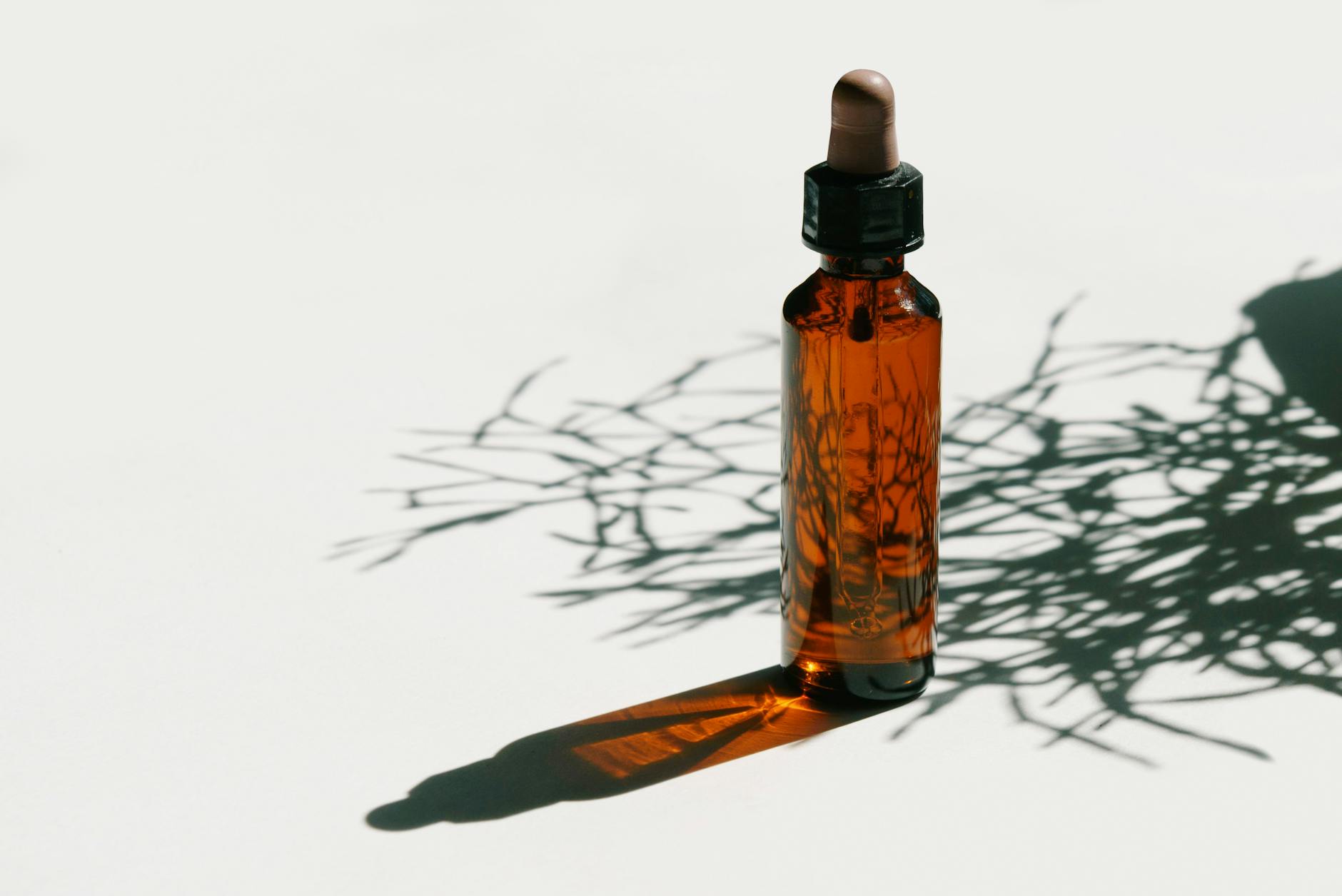
Many men dream of a thick, full beard, and in their quest, they often stumble upon a natural remedy steeped in tradition: castor oil. Hailing from India, the castor plant's seeds yield a potent oil that has been lauded for centuries for its wide-ranging benefits, from skin health to hair growth. But does this age-old remedy truly hold the key to a more robust beard? Let's separate the fact from the fiction and explore what science and experience tell us about using castor oil for facial hair growth.
Castor oil is unique. It's rich in ricinoleic acid, a type of omega-9 unsaturated fatty acid. This compound has been loosely associated with changes in substances that may influence hair growth. One such substance is PGD2, which is linked to hair loss by potentially shrinking hair follicles. Conversely, PGE2, another compound, is anti-inflammatory and may contribute to denser hair. The theory is that by inhibiting PGD2, castor oil could benefit hair growth. While this effect has been observed for hair elsewhere on the body, and even for eyelashes and eyebrows, its impact on beard hair remains largely unproven. Facial hair is a secondary sex characteristic, influenced by hormones like testosterone and dihydrotestosterone (DHT), and it behaves differently from hair on your scalp or other parts of your body.
Despite its popularity, direct scientific evidence proving castor oil effectively stimulates beard growth is scarce. The research simply hasn't found it to do anything substantial on its own for facial hair. However, some of its properties might indirectly support a healthier beard environment.
When you shop for castor oil, you might notice different varieties. Understanding these can help you make an informed choice, though scientific backing for their differing efficacy is limited:
While many swear by Jamaican black castor oil for its purported superior benefits, there's no definitive research proving one type is significantly more effective for beard growth than another.
If you decide to try castor oil, approach it with realistic expectations and proper application. Remember, it's more about supporting a healthy environment than a magic growth serum.
While generally safe for topical use for many, castor oil isn't without potential side effects, especially if misused:
Important: Do not apply castor oil to open cuts, wounds, or severely irritated skin.
Since castor oil alone isn't a proven beard growth stimulant, focusing on a holistic approach is far more effective. Think of castor oil as a potential supporting player, not the star of the show.
If you're concerned about slow beard growth, patchy growth, or sudden hair loss in the beard area, it's wise to seek professional advice. A doctor, particularly a dermatologist or an endocrinologist, can help identify underlying causes. These could range from hormonal imbalances (like low testosterone) to nutritional deficiencies or other medical conditions. They can offer personalized advice and discuss scientifically backed treatment options tailored to your specific needs.
Direct scientific evidence is lacking. While castor oil has properties that can benefit skin and hair health, it's not a proven stimulant for faster beard growth on its own. It might indirectly support a healthier environment for growth.
If you choose to use it, applying it once a day, preferably before bed, is a common recommendation. Always perform a patch test first to check for sensitivity.
The main risks include skin irritation, especially if you have sensitive skin or existing rashes. Eye irritation is also possible. Never ingest castor oil.
A holistic approach focusing on diet, exercise, sleep, stress management, and proper beard care is most effective. Clinically proven treatments like minoxidil, under medical supervision, are also options.
Yes, mixing castor oil with lighter carrier oils like jojoba, almond, or olive oil can improve its texture, spreadability, and absorption, while also providing additional benefits.
In summary, while castor oil has a long-standing reputation for various health benefits, its role in directly stimulating beard growth is not scientifically established. Focus on a healthy lifestyle and proper beard care for the best results, and consider castor oil as a potential complementary treatment for skin and hair conditioning.
Visit Hospital
Near You
Find top surgical clinics in Bankura offering advanced procedures and compassionate care. Expert specialists for your health needs.
May 20, 2026
Discover how to find the best surgeon in Purba Medinipur for your healthcare needs. Learn about qualifications, experience, and patient care.
May 20, 2026
Looking for a male health specialist in Belgharia? Doctar connects you with expert physicians for your specific health needs. Book appointments easily.
May 19, 2026