

Emergency & Help
24/7 Emergency & General Advisory
🚨 24/7 Medical Emergency
Non-Emergency Advisory
10:00 AM – 6:00 PM, Mon–Sat
For appointments & general queries.
24/7 Emergency & General Advisory
🚨 24/7 Medical Emergency
Non-Emergency Advisory
10:00 AM – 6:00 PM, Mon–Sat
For appointments & general queries.
Stay updated with our latest healthcare news and your appointments.
Learn about erectile dysfunction (ED) in India, including its causes, symptoms, diagnosis, and effective treatment options. Understand how lifestyle changes and medical interventions can help manage this common condition.
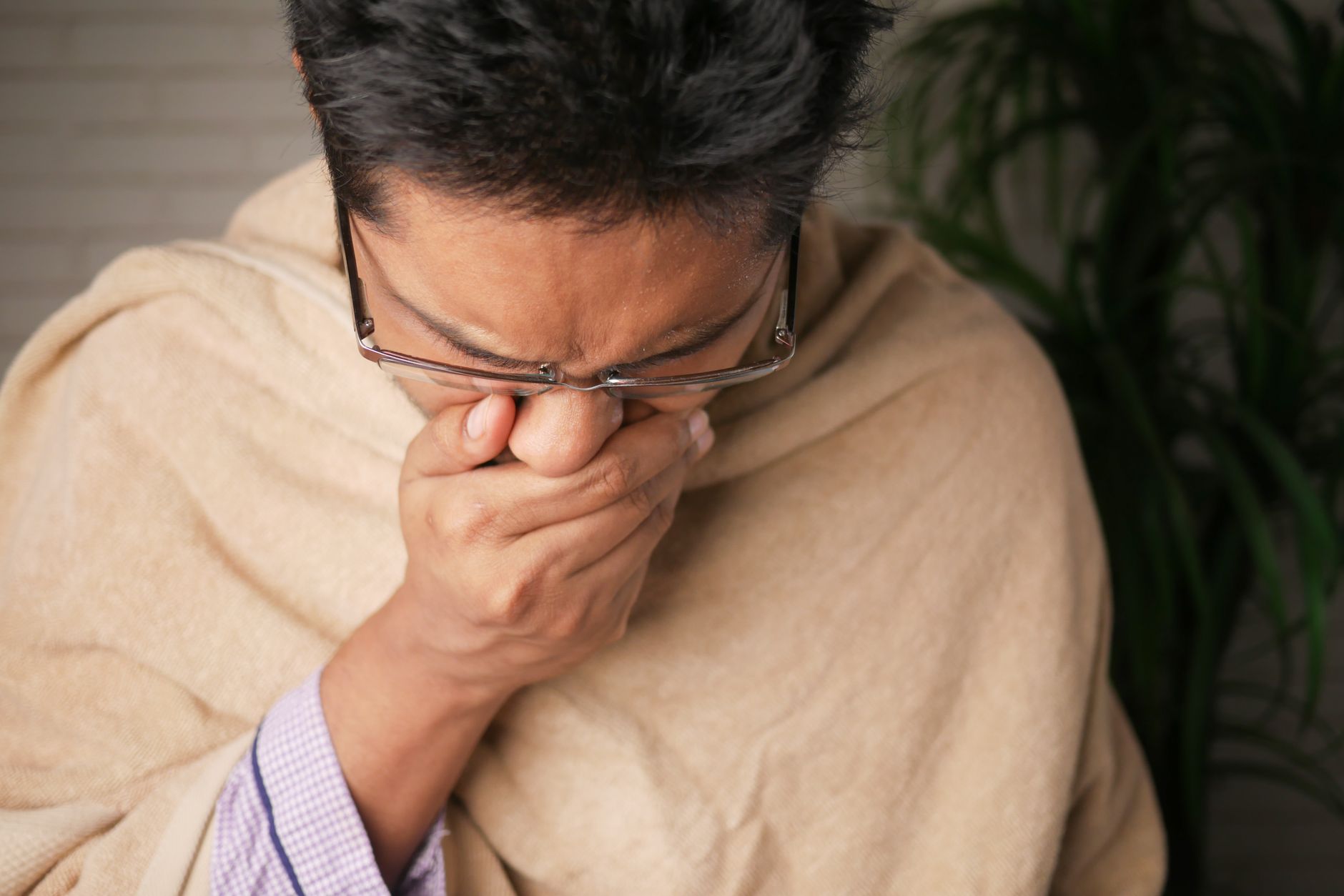
Understanding Erectile Dysfunction (ED) in India Erectile dysfunction (ED), often referred to as impotence, is a common condition that affects a significant number of men, particularly as they age. It is characterized by the persistent difficulty in achieving or maintaining an erection firm enough for satisfactory sexual intercourse. While occasional difficulties can be normal and often linked to stress or fatigue, frequent occurrences may indicate an underlying health issue that requires attention. In India, like in many parts of the world, ED can impact not only physical health but also emotional well-being and relationships. This comprehensive guide aims to provide clear, practical information about ED for Indian readers, covering its causes, symptoms, diagnostic methods, treatment options, and preventive strategies. What is Erectile Dysfunction? Erectile dysfunction is defined as the consistent inability to get an erection, maintain an erection, or achieve an erection that is firm enough for sexual activity. It's important to distinguish between occasional issues and a persistent problem. While stress, fatigue, or relationship issues can temporarily affect erectile function, if these difficulties become frequent, it's advisable to seek medical advice. Symptoms of Erectile Dysfunction The primary symptom of ED is the inability to get or keep an erection. This can manifest in several ways: Difficulty achieving an erection at all. Achieving an erection but being unable to maintain it long enough for intercourse. A reduced frequency or complete absence of morning erections. A decrease in sexual desire or libido, which can sometimes be linked to ED. It's crucial to remember that experiencing these symptoms does not automatically mean you have ED. However, if they persist, consulting a doctor is recommended. Causes of Erectile Dysfunction ED is often multifactorial, meaning several factors can contribute to its development. These can be broadly categorized into physical, psychological, and lifestyle-related causes: Physical Causes: Many underlying medical conditions can affect blood flow and nerve signals necessary for an erection. These include: Cardiovascular Diseases: Conditions like high blood pressure (hypertension), heart disease, and atherosclerosis (hardening of the arteries) can impair blood flow to the penis. Diabetes: High blood sugar levels can damage nerves and blood vessels, leading to ED. Obesity: Being overweight or obese is linked to a higher risk of ED due to associated conditions like diabetes and heart disease. Neurological Disorders: Conditions affecting the brain and spinal cord, such as Parkinson's disease or multiple sclerosis, can interfere with nerve signals. Hormonal Imbalances: Low testosterone levels can contribute to ED, although it's not always the primary cause. Kidney Disease: Chronic kidney disease can affect hormone levels and nerve function. Certain Medications: Some drugs, including certain antidepressants, blood pressure medications, and antihistamines, can have ED as a side effect. Psychological Causes: Mental and emotional factors play a significant role in sexual function. These can include: Stress and Anxiety: General life stress or specific anxiety about sexual performance can lead to ED. Depression: Mental health conditions like depression are strongly linked to sexual dysfunction. Relationship Problems: Conflicts or lack of communication in a relationship can impact sexual intimacy. Past Trauma: Previous negative sexual experiences or trauma can contribute to psychological ED. Lifestyle Factors: Certain habits and choices can increase the risk of ED: Smoking: Nicotine constricts blood vessels, reducing blood flow. Excessive Alcohol Consumption: Chronic heavy drinking can damage nerves and affect hormone levels. Lack of Physical Activity: A sedentary lifestyle contributes to poor cardiovascular health. Illicit Drug Use: Certain drugs can affect sexual function. Diagnosis of Erectile Dysfunction Diagnosing ED typically involves a thorough medical history, a physical examination, and possibly some tests. The doctor will ask about: Your sexual history and symptoms. Your general health and any existing medical conditions. Your medications and lifestyle habits. A physical exam may include checking your blood pressure, examining your genitals, and checking for nerve responses. Depending on the suspected cause, your doctor might recommend: Blood Tests: To check for diabetes, heart disease, and hormone levels (like testosterone). Urine Tests: To check for diabetes or other underlying conditions. Ultrasound: To assess blood flow to the penis. Treatment Options for Erectile Dysfunction Fortunately, ED is a treatable condition. Treatment approaches depend on the underlying cause and may include: Lifestyle Modifications: For ED related to lifestyle factors, making changes can be highly effective: Healthy Diet: Focusing on a balanced diet rich in fruits, vegetables, and whole grains. Regular Exercise: Engaging in physical activity to improve cardiovascular health. Weight Management: Losing excess weight can significantly improve erectile function. Quitting Smoking: This is one of the most impactful changes for improving blood flow. Limiting Alcohol: Reducing alcohol intake to moderate levels. Medications: Oral medications, often called PDE5 inhibitors, are a common and effective treatment. These include sildenafil (Viagra), tadalafil (Cialis), vardenafil (Levitra), and avanafil (Stendra). These drugs work by increasing blood flow to the penis. They require a prescription and should be taken as directed by a doctor. Other Medical Treatments: If oral medications are not suitable or effective, other options include: Vacuum Erection Devices (VEDs): These devices create an erection by drawing blood into the penis. Penile Injections: Medications injected directly into the penis to cause an erection. Urethral Suppositories: A small pellet of medication inserted into the urethra. Testosterone Replacement Therapy: If low testosterone is identified as a contributing factor. Penile Implants: A surgical option for severe cases where other treatments have failed. Psychological Counseling: For ED with psychological roots, therapy or counseling can be very beneficial. This may
In summary, timely diagnosis, evidence-based treatment, and prevention-focused care improve long-term health outcomes.
Visit Hospital
Near You
Find top surgical clinics in Bankura offering advanced procedures and compassionate care. Expert specialists for your health needs.
May 20, 2026
Discover how to find the best surgeon in Purba Medinipur for your healthcare needs. Learn about qualifications, experience, and patient care.
May 20, 2026
Looking for a male health specialist in Belgharia? Doctar connects you with expert physicians for your specific health needs. Book appointments easily.
May 19, 2026