

Emergency & Help
24/7 Emergency & General Advisory
🚨 24/7 Medical Emergency
Non-Emergency Advisory
10:00 AM – 6:00 PM, Mon–Sat
For appointments & general queries.
24/7 Emergency & General Advisory
🚨 24/7 Medical Emergency
Non-Emergency Advisory
10:00 AM – 6:00 PM, Mon–Sat
For appointments & general queries.
Stay updated with our latest healthcare news and your appointments.
Viagra not working? Explore common reasons like dosage, food, health conditions, and stress. Learn practical steps and alternative treatments for erectile dysfunction.
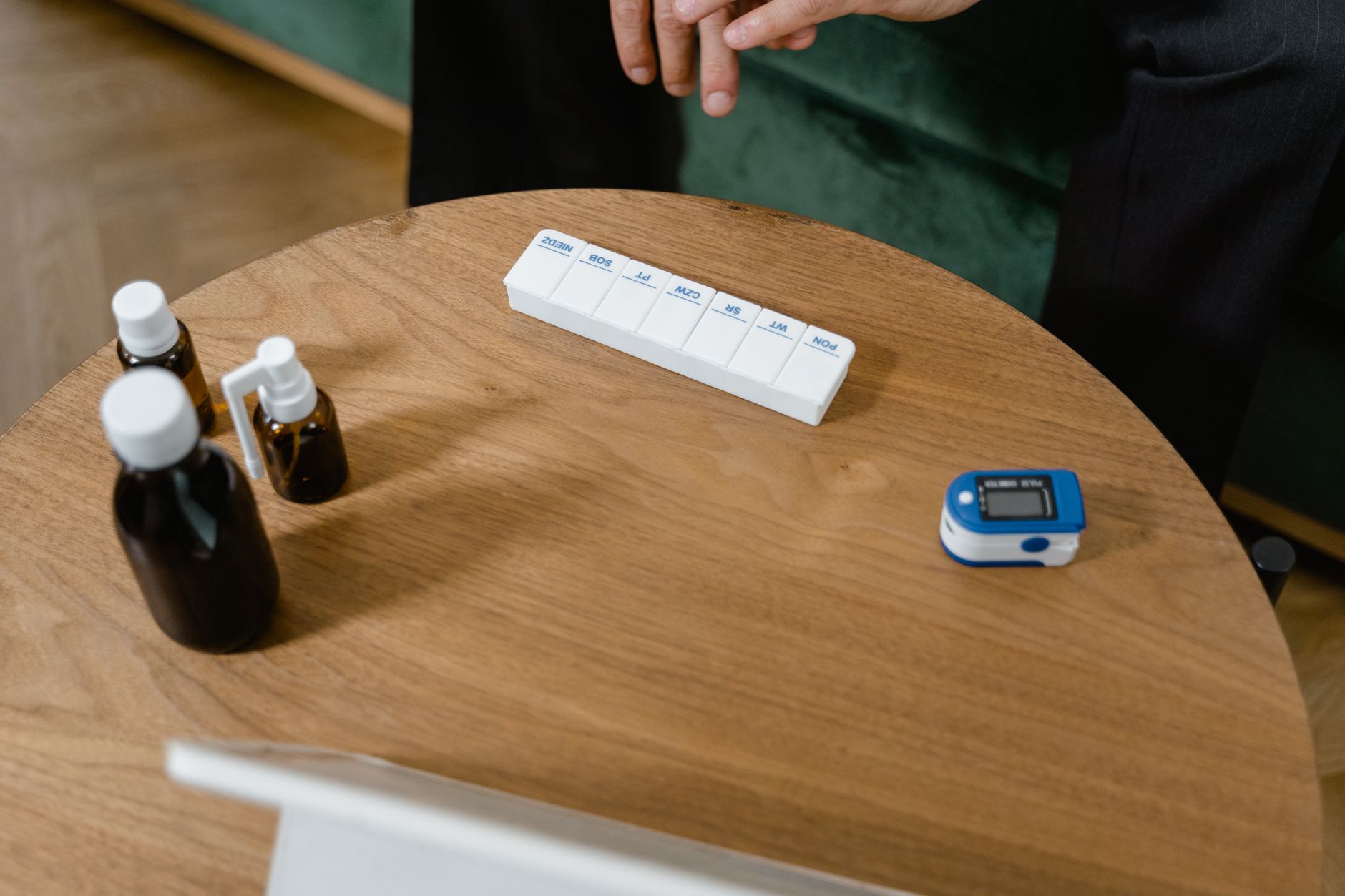
When Viagra Stops Working: A Comprehensive Guide for Indian Men Discovering that Viagra, a medication often relied upon for erectile dysfunction (ED), is no longer effective can be a source of significant concern and frustration. You're not alone if you've experienced this. Viagra, scientifically known as sildenafil, is a PDE5 inhibitor designed to increase blood flow to the penis, aiding in achieving and maintaining an erection. For many, it's a game-changer. However, sometimes it stops working, or perhaps it never quite did the trick. This guide explores the common reasons behind this phenomenon and offers practical steps you can take to address it. How Viagra Works and Why It Might Fail To understand why Viagra might stop working, it's helpful to know how it's supposed to function. During sexual arousal, a natural process releases a substance called cyclic guanosine monophosphate (cGMP). This cGMP increases blood flow to the penis, leading to an erection. Another enzyme, phosphodiesterase-5 (PDE5), plays a role by breaking down cGMP, which limits blood flow and eventually causes the erection to subside. Viagra's magic lies in its ability to temporarily inhibit PDE5, allowing cGMP to persist longer and thus facilitating a stronger, more sustained erection. However, for some men, this mechanism doesn't work as intended. PDE5 might be breaking down cGMP too quickly, or there might be underlying issues that Viagra simply cannot overcome. When Viagra doesn't work, it could point to several physical or psychological factors. It's estimated that PDE5 inhibitors like Viagra help about three-quarters of men with ED, but that leaves a significant portion for whom they are not fully effective. Common Reasons Viagra Might Not Be Working for You Several factors, both physical and emotional, can contribute to Viagra's diminishing effectiveness. Let's break them down: 1. Incorrect Dosage or Usage This is perhaps the most common culprit. The standard starting dose for Viagra is 50 mg, typically taken one hour before sexual activity. However, your individual needs might require a different dosage. A higher dose, such as 100 mg, might be more effective for some men. What's critical is consulting your doctor to find the right dose for you. Studies suggest that incorrect usage accounts for a substantial percentage of treatment failures. Simply put, if you're not taking the right amount, or not taking it at the right time, it might not work as expected. 2. Food and Alcohol Interactions What you consume before taking Viagra can significantly impact its effectiveness. Taking Viagra with a large meal, especially one high in fat, can delay its absorption into your bloodstream. This means the drug might not reach its peak concentration when you need it most. For optimal results, Viagra should be taken on an empty stomach. Additionally, consuming alcohol can interfere with the medication's efficacy and may also exacerbate ED symptoms. It's best to avoid alcohol when planning to take Viagra. 3. Timing is Everything Viagra doesn't work instantly. It needs time to be absorbed and start inhibiting PDE5. Taking it just minutes before sexual activity is unlikely to yield results. The ideal scenario involves taking the tablet about an hour before sex, allowing it to reach therapeutic levels in your blood. Patience is key here; give the medication adequate time to work. 4. Underlying Vascular Issues Erections depend on healthy blood flow. If Viagra isn't working, it could signal that the primary issue isn't just about inhibiting PDE5 but about the actual capacity of your blood vessels to deliver sufficient blood. Conditions like atherosclerosis, where arteries become narrowed and hardened due to plaque buildup, can severely restrict blood flow. This condition, a significant risk factor for heart attacks and strokes, means the penile arteries may not be able to respond to Viagra's vasodilating effects. If your arteries are already significantly compromised, increasing blood flow via medication might not be enough. Your doctor might perform a lipid profile test to check for cholesterol levels, as ED and heart disease are strongly linked. 5. Neurological Conditions Nerve signals play a vital role in initiating and maintaining an erection. If there's damage or dysfunction in the nerves responsible for sexual response, Viagra may not be effective. This can stem from various neurological conditions, including spinal cord injuries, multiple sclerosis, or nerve damage from surgery or injury. These conditions can disrupt the communication pathway that signals for increased blood flow to the penis. 6. Hormonal Imbalances While Viagra primarily targets blood flow, hormonal imbalances, particularly low testosterone levels, can also contribute to ED and may reduce Viagra's effectiveness. Testosterone plays a role in libido and erectile function. If your testosterone levels are low, addressing this underlying hormonal issue might be necessary for Viagra or other treatments to work optimally. 7. Psychological Factors: Stress, Anxiety, and Depression Mental and emotional well-being profoundly impacts sexual health. Performance anxiety, stress from work or personal life, or underlying depression can all contribute to ED and make Viagra less effective. The pressure to perform can create a cycle of anxiety, further hindering arousal and erection. Sometimes, the focus needs to shift from the medication to addressing these psychological barriers. Talking to a therapist or counselor can be incredibly beneficial in managing these issues. 8. Structural or Anatomical Issues In some cases, physical changes to the penis itself can prevent erections, even with increased blood flow. Conditions like Peyronie's disease, which causes scar tissue to form inside the penis, can lead to curved, painful erections and may impede the ability to achieve or maintain an erection. Penile injuries can also affect the erectile tissues' capacity to respond to medication. What To Do When Viagra Stops Working If you find Viagra is no longer working for you, don't lose hope. Several steps can help you regain confidence and address ED effectively: 1. Consult Your Doctor This is the most important first step. Be open and honest with your healthcare provider about your experience. They can help determine the specific reason why Viagra isn't working and explore alternative solutions. They will review your medical history, current medications, and lifestyle to identify potential causes. 2. Review Your Usage Habits Discuss with your doctor whether you are using Viagra correctly. This includes checking the dosage, timing, and whether you're taking it with food or alcohol. Sometimes, simple adjustments to your routine can make a significant difference. 3. Consider Lifestyle Modifications Adopting a healthier lifestyle can significantly improve erectile function and the effectiveness of ED medications. Consider these changes: Maintain a Healthy Weight: Obesity is a common risk factor for ED. Eat a Balanced Diet: Focus on fruits, vegetables, whole grains, and lean proteins. Limit processed foods and unhealthy fats. Exercise Regularly: Physical activity improves cardiovascular health and blood flow. Quit Smoking: Smoking damages blood vessels and can worsen ED. Limit Alcohol Intake: Excessive alcohol consumption negatively impacts erectile function. Manage Stress: Practice relaxation techniques like deep breathing, meditation, or yoga. 4. Explore Alternative Medications If Viagra isn't the right fit, other PDE5 inhibitors are available, such as Cialis (tadalafil) and Levitra (vardenafil). These medications work similarly but may have different effectiveness profiles or side effect experiences for individuals. 5. Discuss Other Treatment Options Beyond oral medications, several other effective treatments for ED exist: Vacuum Erection Devices (VEDs): These devices create a vacuum to draw blood into the penis, followed by a constriction ring to maintain the erection. Penile Injections: Medications injected directly into the penis can produce a strong erection. Intraurethral Suppositories: A small medicated pellet is inserted into the urethra. Testosterone Replacement Therapy (TRT): If low testosterone is identified as a contributing factor, TRT may be prescribed. Penile Implants: For severe cases, surgical implants offer a permanent solution. 6. Seek Psychological Support If stress, anxiety, or depression are playing a role, consider speaking with a mental health professional. Therapy, particularly cognitive-behavioral therapy (CBT), can help address performance anxiety and improve overall mental well-being, which in turn can positively impact sexual function. When to Seek Immediate Medical Attention While ED and the ineffectiveness of Viagra are often manageable, certain symptoms warrant immediate medical attention. If you experience sudden vision changes, hearing loss, chest pain, or an erection that lasts for more than four hours (priapism), seek emergency medical help immediately. These can be signs of serious underlying conditions. Conclusion: Taking Control of Your Sexual Health It can be disheartening when Viagra stops working, but it's crucial to remember that it's often a sign that something else needs attention. By understanding the potential causes and working closely with your healthcare provider, you can identify the root issue and explore effective solutions. ED is a treatable condition, and with the right approach, you can regain confidence and enjoy a fulfilling sexual life. Frequently Asked Questions (FAQs) Can stress make Viagra stop working? Yes, significant stress and anxiety, particularly performance anxiety, can interfere with the psychological arousal needed for an erection, potentially making Viagra less effective. What if I have diabetes and Viagra isn't working? Diabetes can damage blood vessels and nerves, contributing to ED. If Viagra isn't working, your
In summary, timely diagnosis, evidence-based treatment, and prevention-focused care improve long-term health outcomes.
Visit Hospital
Near You
Find top surgical clinics in Bankura offering advanced procedures and compassionate care. Expert specialists for your health needs.
May 20, 2026
Discover how to find the best surgeon in Purba Medinipur for your healthcare needs. Learn about qualifications, experience, and patient care.
May 20, 2026
Looking for a male health specialist in Belgharia? Doctar connects you with expert physicians for your specific health needs. Book appointments easily.
May 19, 2026