

Menstrual Health Awareness: Know What’s Normal
Menstrual health is more than getting a period every month. The timing, bleeding pattern, pain, mood changes and other symptoms can offer useful clues about overall health. Some variation is normal, but persistent changes should not always be dismissed as “just periods.
Menstrual health deserves more attention
For many people, menstrual health is discussed only when something goes wrong. A period arrives late, the bleeding becomes unusually heavy or cramps become difficult to manage, and only then does the conversation begin.
That approach misses something useful: the menstrual cycle can provide information about reproductive and general health. Keeping track of cycle timing, bleeding and symptoms can help a person notice changes before they become a bigger concern.
Doctar's guide to irregular periods explains how changes in cycle length, bleeding and missed periods can have several possible causes.
A period does not need to look exactly the same every month to be healthy. What matters is understanding your usual pattern and noticing meaningful changes.
What is a normal menstrual cycle?
There is no single “perfect” menstrual cycle. Timing and bleeding can vary between people and can change during adolescence, after pregnancy, with contraception and during the years leading up to menopause.
Doctar's article on short periods notes that shorter bleeding can sometimes occur without indicating a serious problem, although a sudden or persistent change may deserve assessment.
The useful comparison is often with your own history. A cycle that has always been relatively light may be normal for you; a sudden shift from your usual pattern is more worth investigating.
Track more than the start date
A period-tracking app or simple calendar can record more than when bleeding begins. Note how long bleeding lasts, whether the flow is unusually heavy or light, pain levels, spotting between periods and symptoms such as headaches or significant mood changes.
This information can be surprisingly helpful during a medical appointment. Instead of trying to remember what happened three or four months ago, you have an actual record.
Doctar's guide to light periods discusses changes in flow and situations where lighter-than-usual periods should be assessed.
Period tracking should support awareness, not become another source of anxiety. Bodies are not calendars.
Period pain should not always be brushed off
Cramps are common because the uterus contracts during menstruation. Mild or moderate discomfort can be part of a normal period, but severe pain that repeatedly disrupts school, work, sleep or ordinary activities deserves attention.
In clinical practice, this is often missed because painful periods are treated as something people are simply expected to tolerate. That attitude can delay investigation of conditions such as endometriosis, adenomyosis or fibroids.
Doctar's guide to painful periods makes an important distinction: severe menstrual pain is not a sign of better fertility and can sometimes point to an underlying condition.
Its endometriosis and exercise guide explains how endometriosis can cause inflammation and pain and affect everyday life.
Heavy bleeding can affect more than the period itself
Heavy menstrual bleeding can leave someone exhausted, short of breath or unusually weak. One reason is iron-deficiency anaemia, which can develop when the body loses more blood than it can replace.
Doctar's iron-deficiency anaemia guide lists fatigue, dizziness, pale skin and breathlessness among symptoms that may occur with iron deficiency.
Very heavy bleeding, bleeding that lasts unusually long or bleeding that repeatedly interferes with daily life should be discussed with a healthcare professional. The cause matters, and simply taking iron without finding out why someone is losing blood may miss the underlying problem.
Irregular periods have many possible causes
Stress gets blamed for almost everything menstrual, but it is only one possible factor.
Changes in weight, intense exercise, pregnancy, hormonal contraception, thyroid disorders, PCOS, perimenopause and some medicines can affect the cycle. Certain reproductive conditions can also cause irregular or unexpected bleeding.
Doctar's detailed irregular-periods guide lists thyroid disorders, PCOS, fibroids, endometriosis, pelvic inflammatory disease and pregnancy-related causes among possibilities.
That is why an irregular period is a symptom, not a diagnosis.
PCOS can change the menstrual pattern
Polycystic ovary syndrome, or PCOS, is a hormonal condition that can affect ovulation and menstrual regularity. Some people also experience acne, excess facial or body hair, weight changes or difficulties with fertility.
The relationship can become more complicated with age. Doctar's PCOS and menopause guide discusses how PCOS symptoms and menopause-related changes can overlap.
A person should not assume that every irregular period means PCOS. Proper assessment is needed.
Menstrual hygiene is part of health
Menstrual products need to be changed regularly and used according to their instructions. Keeping the genital area clean and dry can also reduce irritation.
The right product is personal. Pads, tampons, menstrual cups and other products can all be suitable for different people when used correctly.
Doctar's period-pad guide discusses choosing products, irritation, odour concerns and when symptoms may warrant medical advice.
For people using tampons, Doctar's tampon and period-cramp guide covers cramps, product use and the rare but serious risk of toxic shock syndrome.
Sexual health and periods are connected
Menstruation does not automatically make sexual activity unsafe. Pregnancy can still occur around a period, particularly when cycles are short or unpredictable, and sexually transmitted infections remain a consideration.
Doctar's guide to sex during periods explains why pregnancy should not be considered impossible during menstruation and why contraception and safer-sex practices still matter.
For people who experience pain with sex, that symptom deserves attention too. Persistent pelvic pain or pain during intercourse can sometimes be associated with conditions such as endometriosis or other gynaecological problems.
Menstrual health changes with age
Periods during the teenage years can be different from those in adulthood. Later in life, the cycle may become less predictable during perimenopause before menstruation eventually stops.
Menopause is defined by 12 consecutive months without a menstrual period when there is no other explanation. Doctar's menopause and amenorrhea guide explains why missing periods should not automatically be labelled menopause, particularly in younger people.
Doctar's guide to the causes of menopause also explains the hormonal and ovarian changes behind this natural transition.
During perimenopause, periods can become heavier, lighter, shorter or longer. A major change should still be discussed with a clinician rather than automatically blamed on age.
PMS is real, but symptoms vary
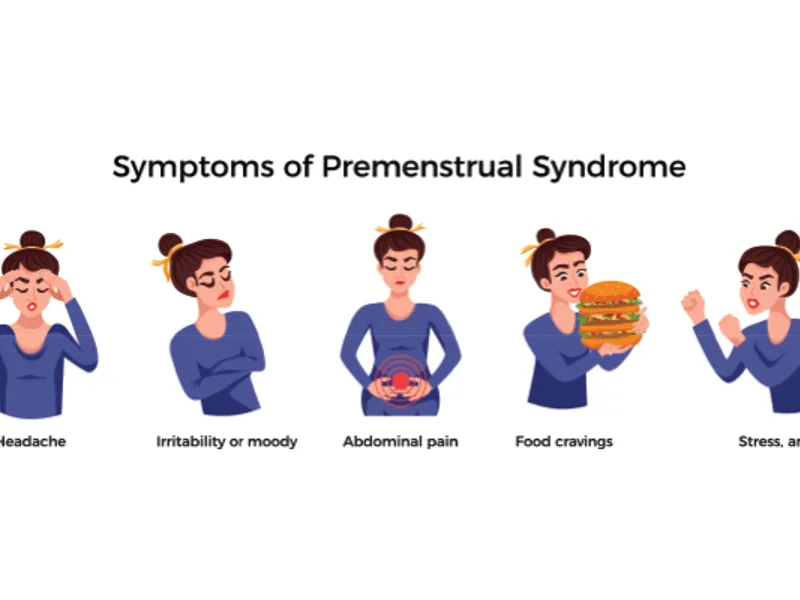
Premenstrual symptoms can include bloating, breast tenderness, headaches, tiredness and changes in mood. Some people experience only mild symptoms, while others find them disruptive.
The key is whether symptoms repeatedly interfere with daily life. Severe or persistent mood symptoms should not be dismissed as simply part of having a period.
Lifestyle factors such as sleep, regular physical activity and a balanced diet can support general wellbeing, although treatment for significant symptoms may require professional assessment.
When should you see a doctor?
A medical review is sensible when periods become consistently irregular, bleeding becomes unusually heavy, pain is severe, there is bleeding between periods, or a previously predictable cycle suddenly changes.
A missed period also deserves consideration of pregnancy when pregnancy is possible. Other causes may need evaluation depending on age, symptoms and medical history.
Doctar's short-period guidance highlights severe pelvic pain, bleeding between periods and pregnancy-related symptoms as reasons to seek medical advice.
Likewise, persistent pelvic pain should not simply be managed at home indefinitely. Doctar's endometriosis fatigue article discusses how pain, poor sleep and heavy bleeding can contribute to significant fatigue.
Menstrual health is part of whole-body health
The menstrual cycle does not exist separately from the rest of the body. Nutrition, sleep, stress, exercise, hormonal conditions and chronic illness can all influence menstrual patterns.
Menopause brings another set of changes. Doctar's healthy habits during menopause guide discusses sleep, diet, exercise and stress management during this stage.
There are also common myths to question. For example, Doctar's article examining the moon and menstrual cycle notes that evidence for a meaningful lunar influence on modern menstrual cycles remains inconclusive.
Good menstrual health awareness is not about finding a perfect cycle. It is about knowing what is normal for you, recognising persistent changes and feeling able to discuss them without embarrassment.


