

Emergency & Help
24/7 Emergency & General Advisory
🚨 24/7 Medical Emergency
Non-Emergency Advisory
10:00 AM – 6:00 PM, Mon–Sat
For appointments & general queries.
24/7 Emergency & General Advisory
🚨 24/7 Medical Emergency
Non-Emergency Advisory
10:00 AM – 6:00 PM, Mon–Sat
For appointments & general queries.
Feeling bloated after meals? Discover practical dietary tips, food choices, and eating habits to help you achieve a happier, less gassy tummy. Learn what to eat and what to avoid for digestive comfort.
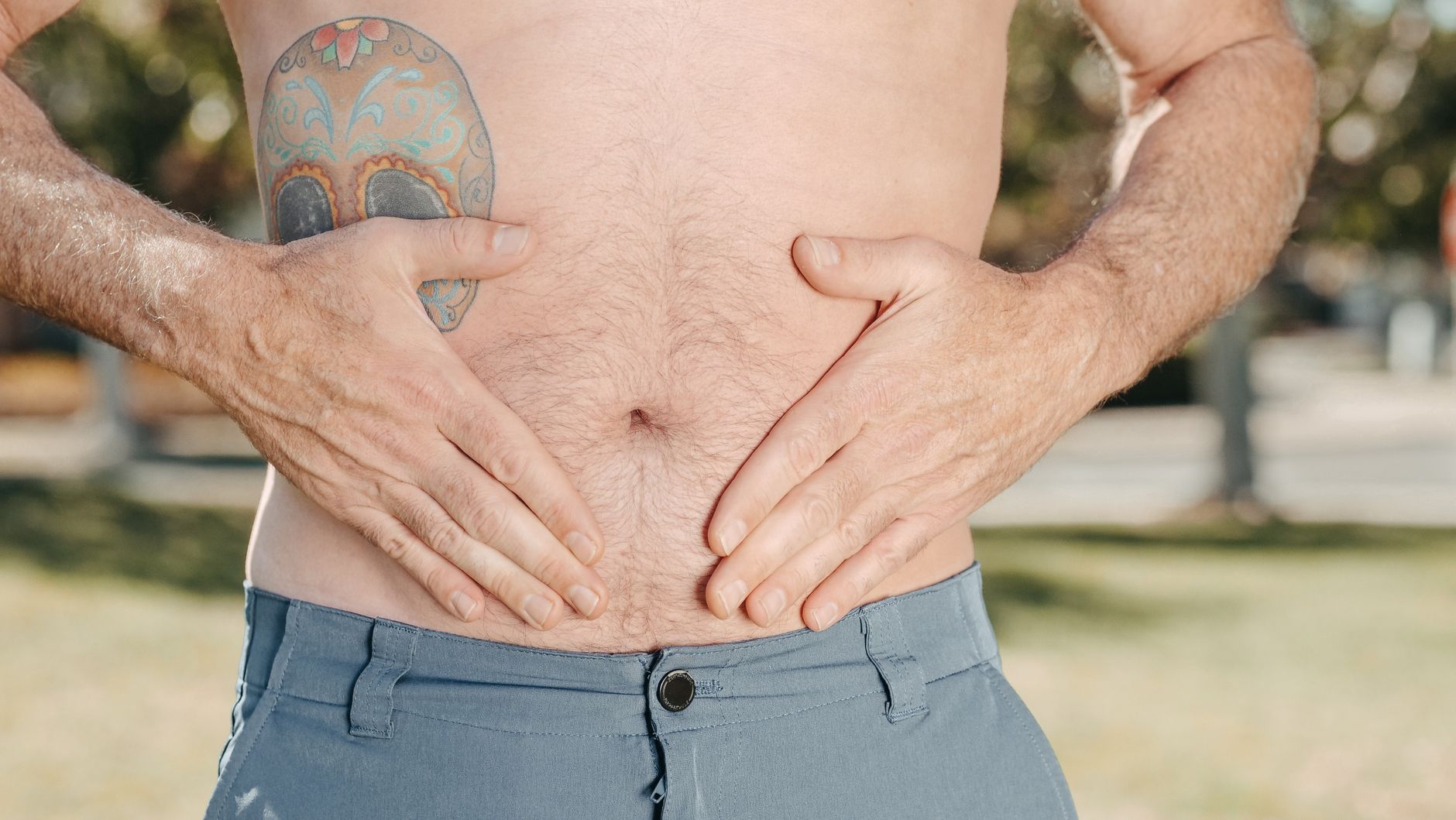
Feeling like a balloon after meals? You're not alone! Bloating is an incredibly common discomfort that many of us experience. It's that uncomfortable, tight feeling in your abdomen, often accompanied by a visible distension, making your clothes feel snug and your mood a bit low. While occasional bloating can be a normal part of digestion, persistent or severe bloating can signal underlying issues and definitely impact your quality of life. The good news is that often, simple changes to what you eat and how you eat can make a world of difference.
Before we dive into solutions, let's briefly touch upon why bloating happens. It's primarily caused by an excess of gas in your digestive tract. This gas can build up due to several reasons:
The key to managing bloating often lies in choosing the right foods and preparing them thoughtfully. Here are some dietary strategies that can help:
FODMAPs (Fermentable Oligosaccharides, Disaccharides, Monosaccharides, and Polyols) are a group of short-chain carbohydrates that can be poorly absorbed by some individuals. A temporary low-FODMAP diet can be very effective for reducing bloating. While a full low-FODMAP diet should ideally be guided by a healthcare professional or dietitian, incorporating more of these foods can be beneficial:
Probiotics are beneficial bacteria that support gut health. Including them in your diet can help balance your gut flora and improve digestion, potentially reducing gas and bloating.
Drinking plenty of water is essential for smooth digestion and preventing constipation, which can contribute to bloating. Aim for at least 8 glasses of water a day. Herbal teas can also be soothing.
Certain foods are more likely to trigger bloating. While you don't necessarily have to eliminate them entirely, being mindful of your intake and portion sizes is wise.
It's not just what you eat, but how you eat that matters. Adopting these habits can significantly reduce bloating:
Consider Priya, a busy mother who often felt bloated after her lunch, which typically consisted of a large roti, sabzi, and dal. She noticed it was worse on days she ate quickly between chores. After consulting a nutritionist, she started eating smaller portions, chewing each bite thoroughly, and incorporating a short walk after lunch. Within a week, she felt a noticeable reduction in her bloating and a significant improvement in her overall comfort.
While dietary changes can resolve most cases of mild bloating, it's important to seek medical advice if you experience any of the following:
These symptoms could indicate a more serious underlying condition that requires medical attention.
Yes, many fruits are low in FODMAPs and can be well-tolerated. Stick to options like bananas, berries, oranges, and grapes. Avoid fruits high in sorbitol like apples and pears if you suspect they trigger your bloating. Eating fruits in moderation and not in large quantities at once is also helpful.
Many people notice a reduction in bloating within a few days to a week after making consistent dietary and lifestyle changes. However, it can take longer for some individuals, especially if the bloating is related to a chronic condition.
Over-the-counter medications containing simethicone can help break up gas bubbles and provide temporary relief. However, they don't address the root cause of bloating. If you find yourself relying on them frequently, it's best to consult a doctor to investigate the underlying reason.
Fiber is essential for digestive health, but too much, too quickly, or the wrong type of fiber can sometimes worsen bloating, especially if your gut isn't accustomed to it. Gradually increasing fiber intake and choosing soluble fiber sources (like oats and psyllium) can be more beneficial for some people prone to gas.
Visit Hospital
Near You
Find essential information about dialysis clinics in Madhepura. Learn about treatment options, patient care, and choosing the right facility.
May 19, 2026
Find trusted nephrology clinics in East Singhbhum for expert kidney disease diagnosis, treatment, and management. Book your appointment today.
May 11, 2026
Find the best kidney hospitals in Giridih. Discover expert nephrologists, advanced treatments, and comprehensive care for kidney health.
May 9, 2026