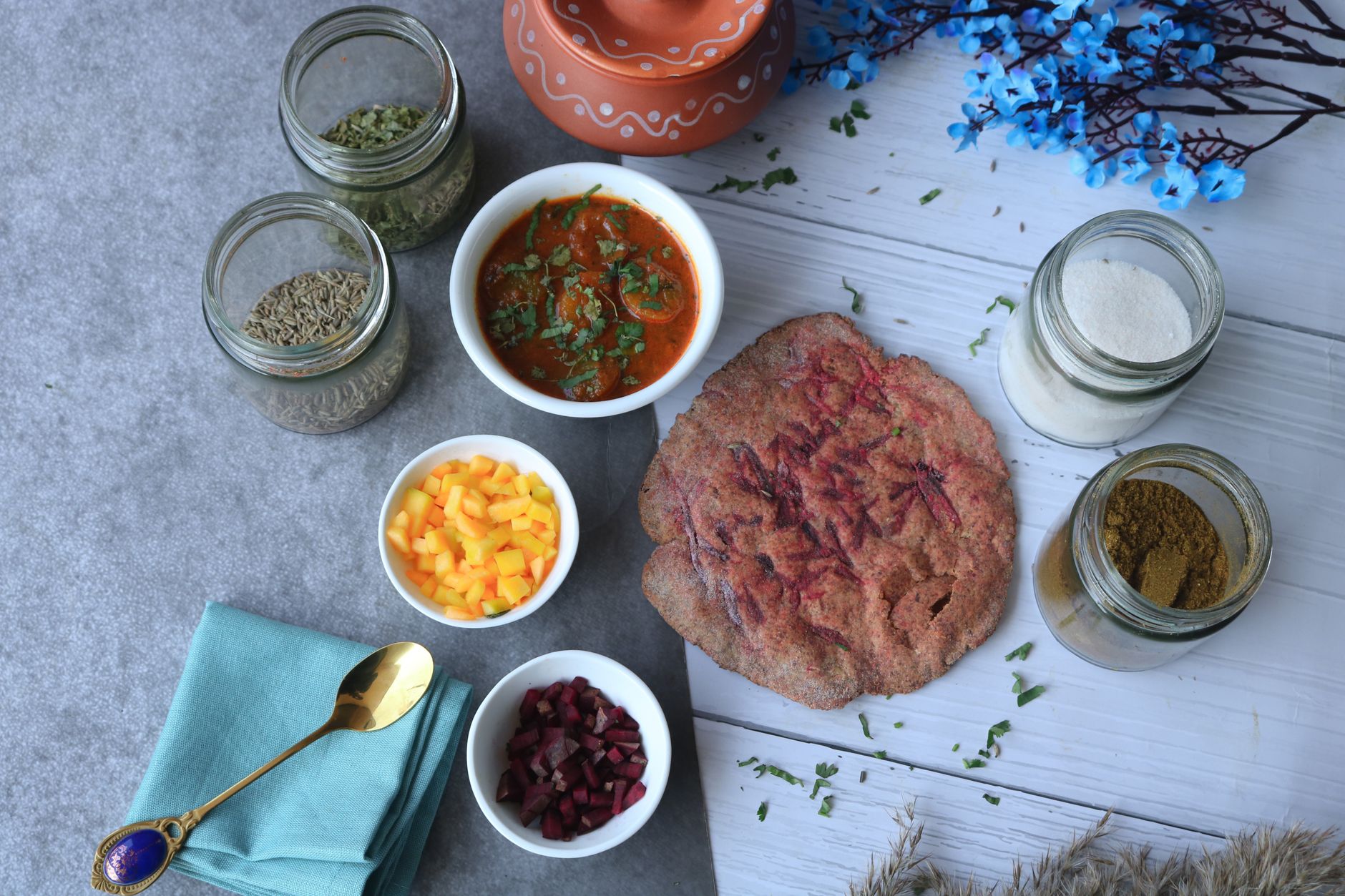
In today's fast-paced world, finding time to prepare healthy and delicious meals can be a challenge, especially for busy Indian households. Meal kit delivery services have emerged as a popular solution, promising convenience and culinary exploration. One such service is Blue Apron. This review, from a dietitian's perspective, delves into how Blue Apron works, its pros and cons, and whether it's a suitable option for Indian families looking to simplify their cooking routine while maintaining nutritional balance.
What is Blue Apron?
Blue Apron is a subscription-based meal kit service that delivers pre-portioned ingredients and chef-designed recipes directly to your doorstep. The idea is to make home cooking more accessible and enjoyable by eliminating the need for extensive grocery shopping and meal planning. Each box contains everything you need to cook a specific meal, from fresh produce and proteins to spices and sauces. The recipes are typically designed to be cooked within 30-45 minutes.
How Blue Apron Works
Signing up for Blue Apron is a straightforward process:
- Choose a Plan: Blue Apron offers various plans, including options for couples, families, and individuals. You can select the number of meals per week and the number of servings per meal.
- Select Meals: Each week, you can choose from a rotating menu of recipes. The menu usually features a diverse range of cuisines, with options often including vegetarian, low-calorie, and family-friendly choices.
- Delivery: Your meal kit is delivered in an insulated box with ice packs to keep ingredients fresh. Delivery days and times can often be selected based on your location.
- Cook and Enjoy: Inside the box, you'll find all the pre-measured ingredients and easy-to-follow recipe cards with step-by-step instructions and photos. You'll typically need to have basic pantry staples like salt, pepper, and cooking oil on hand.
Dietitian's Review: Pros and Cons for Indian Households
Pros:
- Convenience: The most significant advantage is the time saved on grocery shopping and meal planning. This can be a lifesaver for busy professionals, parents, and anyone struggling to find time for cooking.
- Reduced Food Waste: Pre-portioned ingredients mean you use exactly what you need, minimizing spoilage and waste, which is particularly beneficial for smaller households.
- Variety and Exploration: Blue Apron introduces users to new recipes and ingredients they might not otherwise try. This can be a great way to expand your culinary horizons.
- Nutritional Balance (Potential): Many recipes are designed with nutritional balance in mind, offering a good mix of protein, carbohydrates, and healthy fats. The inclusion of fresh vegetables is a definite plus.
- Portion Control: The pre-portioned servings can help with managing portion sizes, which is crucial for weight management and overall health.
Cons:
- Cost: Meal kits can be more expensive per serving compared to buying ingredients from a local Indian market. The convenience comes at a premium.
- Ingredient Availability: While Blue Apron offers diverse recipes, some ingredients might not be readily available or familiar in traditional Indian cooking. For instance, certain types of cheeses, herbs, or specific cuts of meat might be hard to find or substitute locally.
- Customization Limitations: While you can choose meals, you have limited control over the specific ingredients or portion sizes beyond what's provided. This can be an issue for individuals with specific dietary restrictions, allergies, or strong preferences for certain Indian spices or vegetables.
- Packaging Waste: Meal kits often come with a significant amount of packaging, including plastic bags, containers, and ice packs. While some are recyclable, it can contribute to household waste.
- Spice Levels and Flavors: Blue Apron's flavor profiles are generally geared towards a Western palate. While they offer some variety, the authentic Indian spice blends and heat levels might be missing for those accustomed to traditional Indian cuisine.
- Delivery Logistics in India: The service primarily operates in North America. Availability and delivery reliability in India would be a significant concern, with potential issues related to customs, temperature control during transit, and local delivery infrastructure.
Nutritional Considerations for Indian Diets
From a nutritional standpoint, Blue Apron can be a good tool if used mindfully. The emphasis on fresh vegetables and lean proteins aligns well with healthy eating principles. However, it's important to consider how these meals fit into the broader context of an Indian diet:
- Whole Grains: Many Blue Apron meals might not incorporate whole grains like roti or brown rice as staples. You might need to supplement with your own whole-grain accompaniments.
- Dairy and Lentils: Traditional Indian meals often feature dals (lentils) and dairy products like yogurt or paneer. While Blue Apron may include these, the frequency and variety might differ.
- Spice Profiles: The health benefits of Indian spices like turmeric, cumin, and coriander are well-documented. Blue Apron recipes might not utilize these in the traditional, potent ways that offer maximum health advantages.
When to Consider Blue Apron
Blue Apron could be a valuable option for:
- Busy individuals or couples who want to eat healthier home-cooked meals but lack time for planning and shopping.
- Those looking to learn new cooking techniques and explore different cuisines beyond their usual repertoire.
- People who want to reduce food waste and manage their grocery budget more effectively by avoiding impulse buys.
- Individuals living in areas where access to a wide variety of fresh produce is limited.
When to Reconsider or Supplement
For many Indian households, Blue Apron might not be a complete replacement for traditional cooking due to:
- Cost constraints compared to local grocery shopping.
- Preference for authentic Indian flavors and spice combinations.
- Dietary needs or preferences that require specific Indian ingredients or cooking methods.
- Availability issues if the service is not accessible in your region of India.
In such cases, Blue Apron could be used occasionally for a treat or to try a new recipe, rather than as a primary source of meals. You could also adapt recipes by substituting ingredients with locally available Indian alternatives.
Conclusion
Blue Apron offers a compelling solution for convenience and culinary exploration. For Indian households, its suitability depends on individual priorities regarding cost, flavor preferences, and dietary habits. While it can certainly contribute to healthier eating by providing balanced meals and fresh ingredients, it may not fully replicate the authentic taste and nutritional nuances of traditional Indian home cooking. As a dietitian, I see its potential as a tool for busy individuals to maintain healthy eating habits, but it's crucial to weigh the costs and consider how it integrates with your existing dietary patterns and local food availability. If you're looking for convenience and variety, and the cost is manageable, it's worth trying a few meals to see if it fits your lifestyle.