

Emergency & Help
24/7 Emergency & General Advisory
🚨 24/7 Medical Emergency
Non-Emergency Advisory
10:00 AM – 6:00 PM, Mon–Sat
For appointments & general queries.
24/7 Emergency & General Advisory
🚨 24/7 Medical Emergency
Non-Emergency Advisory
10:00 AM – 6:00 PM, Mon–Sat
For appointments & general queries.
Discover a comprehensive guide to high-protein foods suitable for the Indian diet, including vegetarian and non-vegetarian options, their benefits, and practical tips for incorporation into daily meals.
Protein is a vital macronutrient, essential for building and repairing tissues, producing enzymes and hormones, and supporting overall bodily functions. In the context of an Indian diet, which often relies heavily on carbohydrates, understanding and incorporating adequate protein sources is crucial for maintaining good health, managing weight, and promoting muscle growth. This guide explores various high-protein foods suitable for an Indian palate, covering both vegetarian and non-vegetarian options, and discusses their benefits and how to include them in your daily meals.
Protein is often called the 'building block of life' for good reason. It plays a critical role in:
For vegetarians in India, incorporating enough protein can sometimes be a challenge, but there are numerous delicious and readily available options:
Dal is a staple in Indian cuisine and an excellent source of protein and fiber. Varieties like:
A typical serving of cooked dal can provide around 15-18 grams of protein.
Dairy is a cornerstone of protein intake for many Indians:
Soy is one of the few plant-based foods that provides complete protein, containing all essential amino acids:
100g of tofu can offer around 17g of protein, while soy chunks are even higher.
These are nutrient-dense powerhouses:
For those who consume non-vegetarian foods, the options for protein are even more diverse:
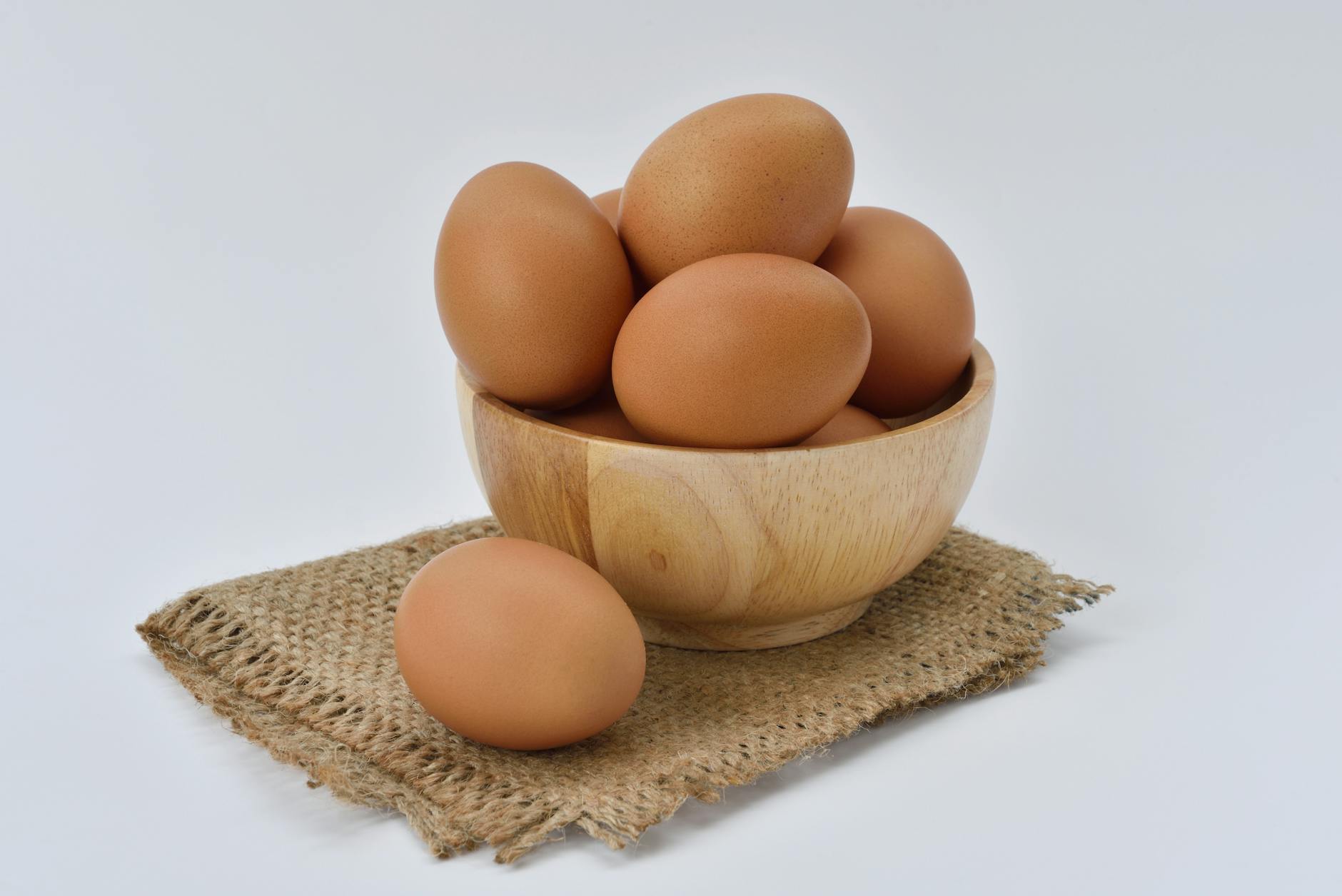
Eggs are a complete protein source, containing all essential amino acids. They are affordable, versatile, and easy to prepare. One large egg typically provides about 6 grams of protein.
Chicken and turkey are lean protein sources:
These can be incorporated into curries, stir-fries, kebabs, or grilled dishes.
Fish is not only a great protein source but also rich in omega-3 fatty acids, beneficial for heart and brain health:
Seafood like prawns and crabs also offer good amounts of protein.
While often consumed in moderation due to fat content, lean cuts of red meat can be a good source of protein, iron, and vitamin B12:
Making protein a priority in your daily meals is easier than you think:
While incorporating protein-rich foods is generally beneficial, it's advisable to consult a healthcare professional or a registered dietitian if you:
A well-balanced Indian diet can easily incorporate a variety of high-protein foods, catering to both vegetarian and non-vegetarian preferences. By understanding the importance of protein and strategically including sources like dals, legumes, dairy, soy, eggs, poultry, and fish, you can significantly enhance your overall health, support muscle maintenance, and achieve your wellness goals. Remember to focus on whole, unprocessed foods and consult with a professional for personalized dietary advice.
Visit Hospital
Near You
Find essential information about dialysis clinics in Madhepura. Learn about treatment options, patient care, and choosing the right facility.
May 19, 2026
Find trusted nephrology clinics in East Singhbhum for expert kidney disease diagnosis, treatment, and management. Book your appointment today.
May 11, 2026
Find the best kidney hospitals in Giridih. Discover expert nephrologists, advanced treatments, and comprehensive care for kidney health.
May 9, 2026