

Emergency & Help
24/7 Emergency & General Advisory
🚨 24/7 Medical Emergency
Non-Emergency Advisory
10:00 AM – 6:00 PM, Mon–Sat
For appointments & general queries.
24/7 Emergency & General Advisory
🚨 24/7 Medical Emergency
Non-Emergency Advisory
10:00 AM – 6:00 PM, Mon–Sat
For appointments & general queries.
Discover 10 powerhouse foods to nurture your gut microbiome, improve digestion, and boost overall wellness. Learn about probiotics, prebiotics, and how to incorporate these gut-friendly foods into your daily Indian diet.
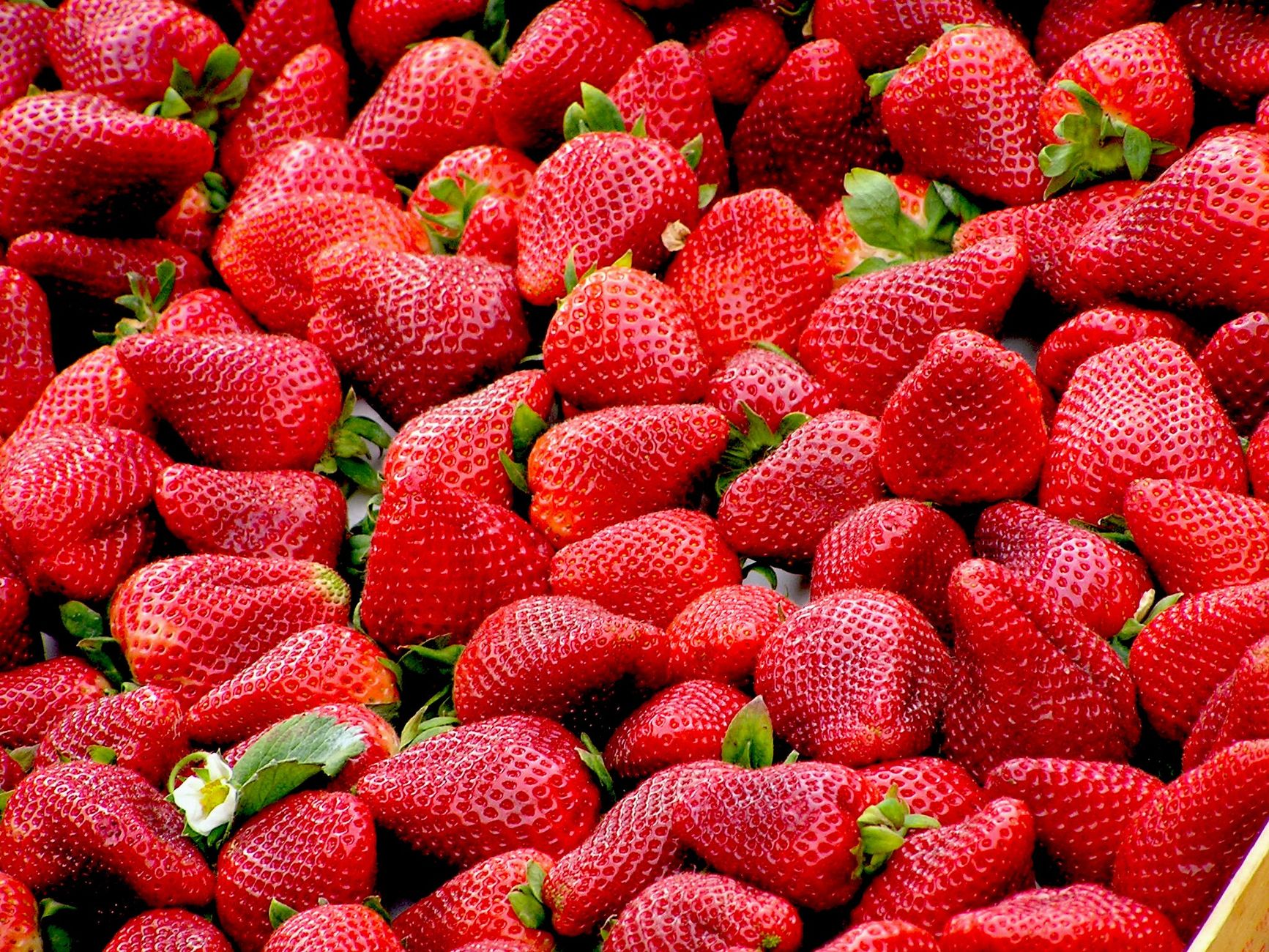
Your gut, also known as your digestive system, is a complex ecosystem teeming with trillions of microorganisms, collectively called the gut microbiome. This intricate community plays a crucial role not just in digestion and nutrient absorption, but also in supporting your immune system, influencing your mood, and even impacting your skin health. A balanced gut microbiome is essential for overall well-being, helping to maintain a healthy inflammatory response and keeping your body functioning optimally. When this delicate balance is disrupted, it can lead to a variety of health issues, including bloating, indigestion, and potentially more serious conditions. Fortunately, by making conscious dietary choices, you can actively nurture your gut health and promote a thriving internal environment.
To cultivate a healthy gut, it's vital to understand the roles of probiotics and prebiotics. Probiotics are the beneficial live bacteria that reside in your gut, working to maintain a healthy balance and perform essential functions. Think of them as the 'good guys' in your digestive system. On the other hand, prebiotics are a type of dietary fiber that your body cannot digest. Instead, they serve as food for the probiotics, providing them with the energy they need to thrive and multiply. By incorporating both probiotic-rich and prebiotic-rich foods into your diet, you create a synergistic effect that strengthens your gut lining, aids digestion, and fosters a robust internal ecosystem.
Sauerkraut, which translates to "sour white cabbage" in German, is a fermented cabbage dish that is a fantastic source of probiotics. The fermentation process cultivates beneficial bacteria, contributing to a healthier gut flora. Furthermore, the high fiber content in cabbage aids in keeping your digestive system running smoothly, helping to combat bloating and indigestion. For maximum probiotic benefits, opt for fresh, unpasteurized sauerkraut, as the pasteurization process can reduce its vitamin C content and kill beneficial bacteria.
Pro tip: Incorporate sauerkraut into your meals by adding it as a side dish to your favourite Indian curries or using it in sandwiches and wraps.
Asparagus is an excellent source of prebiotics, specifically inulin, a type of indigestible fiber that nourishes beneficial gut bacteria like bifidobacteria and lactobacilli. Beyond its prebiotic properties, asparagus is also rich in B vitamins and potent antioxidants that help fight inflammation throughout the body. These compounds can help protect the gut lining from damage.
Pro tip: For maximum prebiotic benefits, try eating asparagus raw as part of a crudités platter with your favourite healthy dips.
Pineapple contains a unique enzyme called bromelain, which acts as a digestive aid. Bromelain helps break down complex proteins into smaller, more easily digestible peptides. Studies suggest that bromelain can also help reduce pain and inflammation in the body, including the gut lining, by decreasing the secretion of pro-inflammatory cytokines. This makes pineapple a valuable addition to a gut-friendly diet.
Pro tip: Enjoy fresh pineapple chunks as a refreshing snack, or add them to smoothies, fruit salads, or even savoury dishes for a tropical twist.
Raw onions are a superb source of prebiotics, containing high levels of inulin that fuel the good bacteria in your gut. They are also packed with quercetin, a powerful antioxidant that combats free radicals, and chromium, which aids in insulin production. Additionally, onions provide vitamin C, supporting a robust immune system. Their anti-inflammatory properties further contribute to gut health.
Pro tip: Dice raw onions and add them to salads, chutneys, or dressings. You can also slice them thinly and add them to sandwiches or veggie burgers for a flavourful crunch.
Garlic is a nutritional powerhouse, loaded with essential nutrients like manganese, vitamin B6, vitamin C, and selenium. It contains active compounds, most notably allicin, which is formed when garlic is crushed or chopped. Allicin is known for its potent disease-fighting properties and contributes to the overall health of the gut microbiome. Like onions, garlic is also a good source of inulin, acting as a prebiotic to feed beneficial gut bacteria.
Pro tip: For maximum benefits, consume garlic raw by mincing it finely and adding it to guacamole, hummus, homemade salad dressings, or marinades. Remember that the pungent flavour can be mellowed by cooking, but raw consumption maximizes its prebiotic and allicin content.
Oats are a fantastic source of soluble fiber, particularly beta-glucan, which is known for its ability to promote gut health. This type of fiber forms a gel-like substance in the digestive tract, which can help slow down digestion, promote feelings of fullness, and regulate blood sugar levels. Beta-glucan also acts as a prebiotic, feeding beneficial gut bacteria and contributing to a healthier microbiome. Regular consumption of oats can aid in preventing constipation and promoting overall digestive regularity.
Pro tip: Start your day with a bowl of oatmeal, topped with fruits and nuts. You can also add oats to smoothies or use them in baking recipes.
Bananas, especially slightly unripe ones, are a good source of resistant starch, which acts as a prebiotic. This resistant starch ferments in the large intestine, feeding beneficial gut bacteria. As bananas ripen, the resistant starch converts into natural sugars, making them sweeter and easier to digest. They are also a good source of potassium, which is important for maintaining fluid balance and muscle function. Their soft texture makes them easy to digest, even for those with sensitive stomachs.
Pro tip: Enjoy bananas as a quick snack, add them to your morning cereal or yogurt, or blend them into smoothies for a natural sweetener and creamy texture.
Yogurt, particularly varieties that contain
This section adds practical context and preventive advice to help readers make informed healthcare decisions. It is important to verify symptoms early, consult qualified doctors, and avoid self-medication for persistent health issues.
Maintaining healthy routines, following prescribed treatment plans, and attending regular checkups can improve outcomes. If symptoms worsen or red-flag signs appear, immediate medical evaluation is recommended.
Track symptoms and duration.
Follow diagnosis and treatment from a licensed practitioner.
Review medication side effects with your doctor.
Seek urgent care for severe warning signs.
Visit Hospital
Near You
Find essential information about dialysis clinics in Madhepura. Learn about treatment options, patient care, and choosing the right facility.
May 19, 2026
Find trusted nephrology clinics in East Singhbhum for expert kidney disease diagnosis, treatment, and management. Book your appointment today.
May 11, 2026
Find the best kidney hospitals in Giridih. Discover expert nephrologists, advanced treatments, and comprehensive care for kidney health.
May 9, 2026