

Emergency & Help
24/7 Emergency & General Advisory
🚨 24/7 Medical Emergency
Non-Emergency Advisory
10:00 AM – 6:00 PM, Mon–Sat
For appointments & general queries.
24/7 Emergency & General Advisory
🚨 24/7 Medical Emergency
Non-Emergency Advisory
10:00 AM – 6:00 PM, Mon–Sat
For appointments & general queries.
Discover the best foods to eat when taking semaglutide for diabetes or weight loss. Learn about digestive support, nausea management, and blood sugar control.
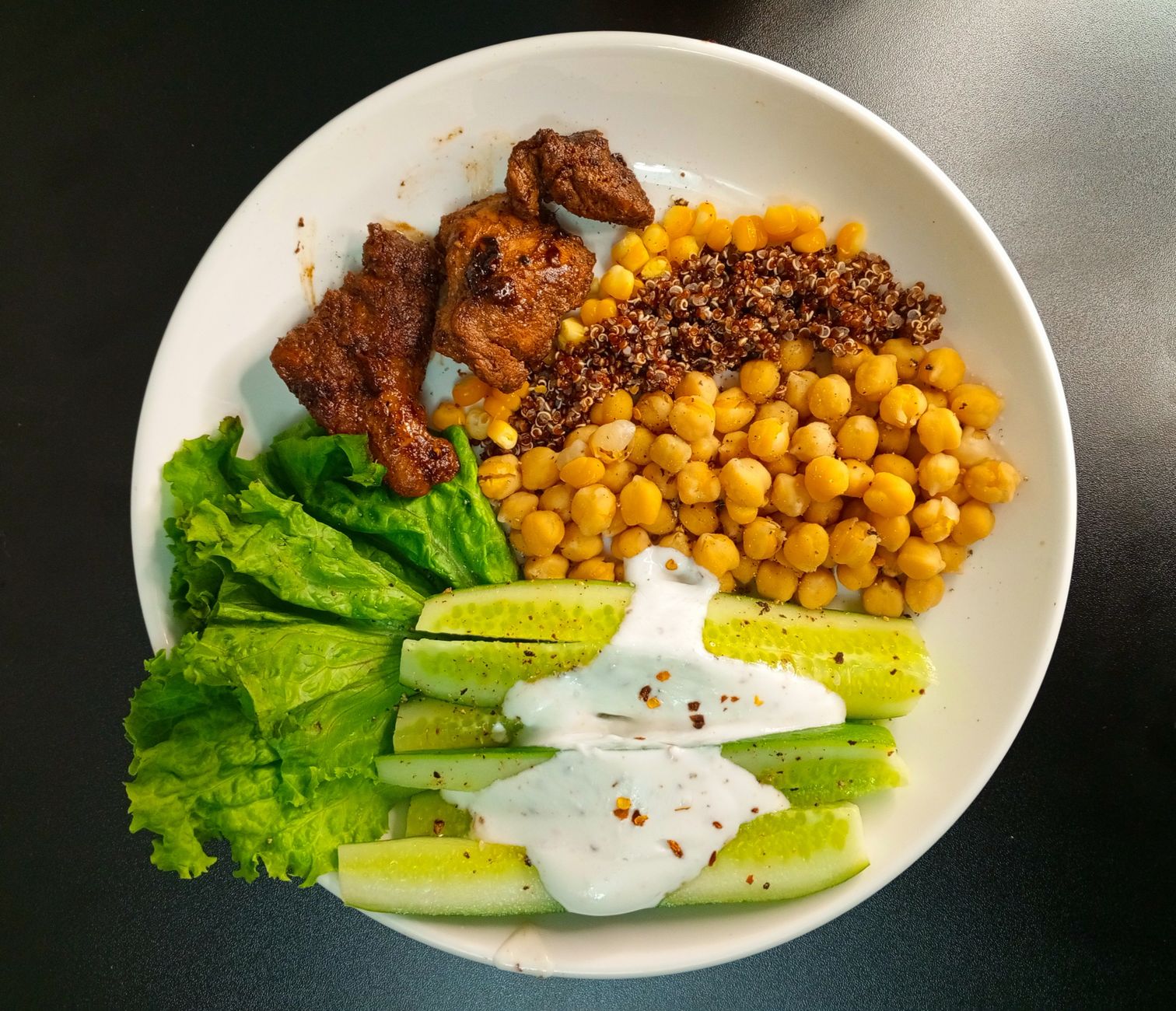
Understanding Semaglutide and Its Impact on Your Diet Semaglutide is a medication that has gained significant attention for its effectiveness in managing type 2 diabetes and aiding in weight loss. It belongs to a class of drugs known as glucagon-like peptide-1 (GLP-1) receptor agonists. These medications work by mimicking a hormone naturally produced in your intestines, GLP-1. By interacting with GLP-1 receptors in your body, semaglutide plays a crucial role in regulating blood sugar levels and, importantly, reducing appetite. Medications like Ozempic and Rybelsus, which contain semaglutide, are approved to help lower blood sugar in adults with type 2 diabetes when combined with diet and exercise. Wegovy, another semaglutide-based medication, is specifically FDA-approved for treating overweight and obesity. While semaglutide doesn't come with strict, specific dietary rules, what you eat can significantly influence how well the medication works and the side effects you might experience. For weight loss, it's typically prescribed alongside a reduced-calorie diet. If you're using it for type 2 diabetes, the focus is on a diet that helps regulate blood sugar levels. A key mechanism of semaglutide is its effect on gastric emptying – it slows down how quickly your stomach empties after a meal. This slowing contributes to a feeling of fullness but can also lead to common side effects like bloating, nausea, heartburn, and general discomfort. Foods for Optimal Digestion and Reduced Side Effects The slowed gastric emptying caused by semaglutide can sometimes exacerbate digestive issues. Foods that are spicy, fatty, or highly acidic might worsen symptoms like heartburn. To navigate these challenges and support your digestive system, incorporating foods rich in prebiotic fibers and resistant starches is highly recommended. These types of fibers are not easily digested and travel to your colon, where they act as fuel for beneficial gut bacteria. This promotes healthier digestive function and can help mitigate some of the discomfort associated with semaglutide use. Recommended Foods Rich in Prebiotic Fibers and Resistant Starches: Cooked and cooled whole grains: Think of overnight oats or grains that have been cooked and then cooled, as this process increases their resistant starch content. Cooked and cooled potatoes: Similar to grains, cooling cooked potatoes can enhance their resistant starch levels. Legumes: Lentils, beans (like kidney beans, black beans, chickpeas), and peas are excellent sources of both prebiotic fibers and resistant starches. Underripe bananas: These contain higher amounts of resistant starch compared to ripe bananas. These foods help nourish your gut microbiome, which is essential for overall digestive health and can make the experience of taking semaglutide more comfortable. Managing Nausea with Semaglutide Nausea is a common side effect reported by individuals taking semaglutide. If you experience nausea, the manufacturers of Wegovy and Ozempic suggest focusing on bland, low-fat foods. These are easier to digest and less likely to trigger or worsen nausea. Tips and Foods for Nausea Relief: Bland Foods: Opt for simple foods like crackers, plain toast, and white rice. Low-Fat Options: Avoid greasy or fried foods. Choose lean proteins and low-fat dairy if consumed. Hydrating Foods: Incorporate foods with high water content. Soups (broth-based, not creamy), clear broths, and gelatin can be soothing and help with hydration. Small, Frequent Meals: Instead of large meals, try eating smaller portions more frequently throughout the day. This can prevent your stomach from feeling too full or empty, both of which can trigger nausea. Avoid Strong Odors: Sometimes, strong food smells can trigger nausea. Prepare and eat foods in a well-ventilated area. It's also beneficial to drink plenty of fluids, but try to sip them slowly between meals rather than drinking large amounts during meals, which can contribute to feeling overly full. Supporting Blood Sugar Regulation For those using semaglutide to manage type 2 diabetes, maintaining stable blood sugar levels is paramount. The diet should complement the medication's action in regulating glucose. This means focusing on foods that have a low glycemic index and are rich in nutrients that support metabolic health. Foods that Aid Blood Sugar Control: Non-starchy vegetables: Leafy greens, broccoli, cauliflower, bell peppers, and cucumbers are low in carbohydrates and high in fiber and nutrients. Lean proteins: Chicken breast, fish, tofu, and beans help with satiety and have minimal impact on blood sugar. Whole grains in moderation: Oats, quinoa, and barley provide fiber and release glucose slowly into the bloodstream. Healthy fats: Avocados, nuts, seeds, and olive oil can help improve insulin sensitivity and slow down the absorption of carbohydrates. Fruits in moderation: Berries, apples, and pears are good choices due to their fiber content. Limiting intake of refined carbohydrates, sugary drinks, and processed foods is crucial for effective blood sugar management. General Dietary Strategies for Semaglutide Users Beyond specific food groups, adopting certain eating habits can enhance the benefits of semaglutide and minimize discomfort. The core principle is to work with the medication's effects, not against them. Practical Eating Tips: Portion Control: Since semaglutide reduces appetite and slows digestion, consciously serving yourself smaller portions is key. Start with half of what you normally would eat. Mindful Eating: Eat slowly and savor each bite. This allows your body time to register fullness signals. Wait Before Seconds: After finishing your first serving, wait for 15-20 minutes. You might find you're no longer hungry or only slightly peckish, preventing overeating. Hydration: Drink water throughout the day, but avoid chugging large amounts during meals. Balanced Meals: Aim for meals that include a source of lean protein, healthy
In summary, timely diagnosis, evidence-based treatment, and prevention-focused care improve long-term health outcomes.
Visit Hospital
Near You
Find essential information about dialysis clinics in Madhepura. Learn about treatment options, patient care, and choosing the right facility.
May 19, 2026
Find trusted nephrology clinics in East Singhbhum for expert kidney disease diagnosis, treatment, and management. Book your appointment today.
May 11, 2026
Find the best kidney hospitals in Giridih. Discover expert nephrologists, advanced treatments, and comprehensive care for kidney health.
May 9, 2026