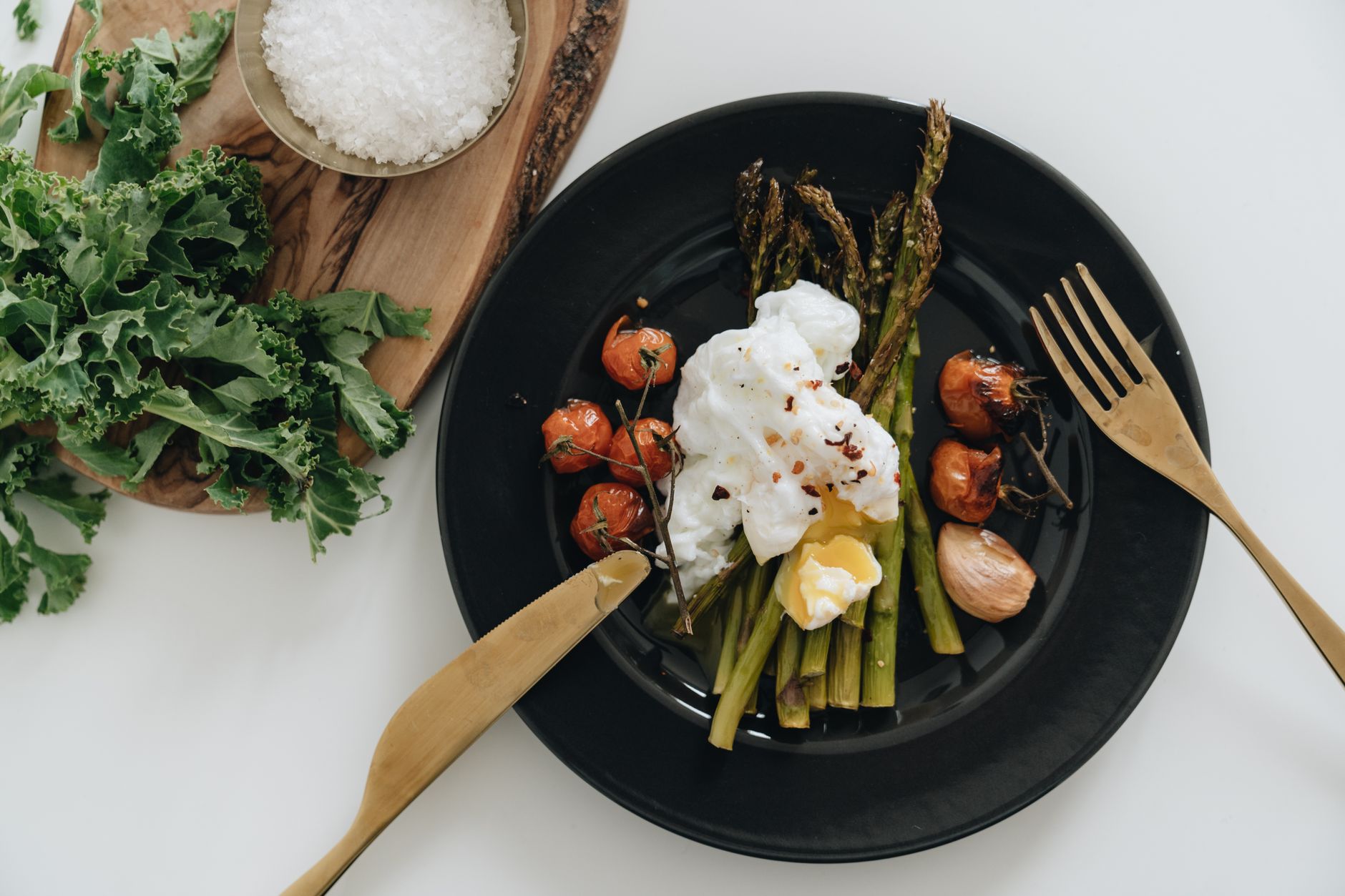
The Power of Plant-Based Protein: Fueling Your Body with Vegetables
In the vibrant tapestry of Indian cuisine, vegetables have always played a starring role. Beyond their rich flavours and essential vitamins, many vegetables are surprisingly powerhouses of protein, a crucial macronutrient for muscle building, repair, and overall bodily function. For vegetarians, vegans, and even those looking to incorporate more plant-based meals, understanding which vegetables offer the most protein is key to a balanced and healthy diet. This guide explores the top high-protein vegetables that can easily be integrated into your daily Indian meals, offering both nutritional benefits and delicious culinary possibilities.
Why Protein Matters in Your Diet
Protein is often called the 'building block of life'. It's essential for:
- Muscle Growth and Repair: Whether you're an athlete or just living an active life, protein helps maintain and build muscle mass.
- Enzyme and Hormone Production: Proteins are vital for creating enzymes that drive chemical reactions and hormones that regulate bodily processes.
- Immune Function: Antibodies, which fight off infections, are made of protein.
- Satiety: Protein helps you feel fuller for longer, aiding in weight management.
High-Protein Vegetables to Include in Your Indian Meals
1. Lentils (Dal)
While technically legumes, lentils are a staple in Indian households and are incredibly rich in protein. Varieties like masoor dal, moong dal, and toor dal are packed with protein and fibre. A cup of cooked lentils can provide around 18 grams of protein.
- Culinary Uses: From comforting dal tadka to hearty sambar and flavourful khichdi, lentils are versatile.
2. Chickpeas (Chana)
Another legume superstar, chickpeas are a fantastic source of protein and complex carbohydrates. They offer about 15 grams of protein per cooked cup. They are also rich in fibre and essential minerals.
- Culinary Uses: Chana masala, hummus, roasted snacks, and additions to salads and curries.
3. Kidney Beans (Rajma)
A favourite in North Indian cuisine, rajma is not only delicious but also a protein powerhouse, offering around 15 grams per cooked cup. They are also a good source of iron and folate.
- Culinary Uses: The classic rajma-chawal is a complete meal. They can also be added to stews and salads.
4. Peas (Matar)
Often underestimated, green peas are a good source of plant-based protein, providing about 8-9 grams per cooked cup. They also contain vitamins A, C, and K, along with fibre.
- Culinary Uses: Matar paneer, aloo matar, pulao, and as a side dish.
5. Spinach (Palak)
This leafy green is a nutritional giant. While not as protein-dense as legumes, a cup of cooked spinach offers about 5 grams of protein, along with iron, calcium, and vitamins.
- Culinary Uses: Palak paneer, saag, smoothies, and stir-fries.
6. Broccoli
This cruciferous vegetable is a good source of protein, with about 3 grams per cooked cup. It's also loaded with vitamins C and K, and antioxidants.
- Culinary Uses: Steamed, stir-fried, added to pasta dishes, or used in soups.
7. Brussels Sprouts
Similar to broccoli, Brussels sprouts provide about 3 grams of protein per cooked cup. They are also rich in fibre, vitamins, and minerals.
- Culinary Uses: Roasted, steamed, or sautéed with garlic.
8. Potatoes
Yes, potatoes! While primarily known for carbohydrates, a medium-sized baked potato with skin can offer around 4 grams of protein. They also provide potassium and vitamin C.
- Culinary Uses: Baked, roasted, mashed, or in curries and sabzis.
9. Sweet Potatoes
These vibrant tubers offer a similar protein content to regular potatoes, around 2-3 grams per medium-sized one. They are rich in beta-carotene, fibre, and vitamins.
- Culinary Uses: Baked, roasted, mashed, in curries, or as fries.
10. Mushrooms
Mushrooms provide about 2-3 grams of protein per cooked cup. They also offer B vitamins and selenium, and have a meaty texture that can be satisfying.
- Culinary Uses: Stir-fries, curries, soups, and as a pizza topping.
Integrating Protein-Rich Vegetables into Your Indian Diet
Making these vegetables a regular part of your meals is easier than you think:
- Start your day with a protein boost: Add spinach or peas to your poha or upma.
- Make dals and legumes a daily affair: Ensure you have at least one serving of dal or a bean-based curry each day.
- Snack smart: Roasted chickpeas or sprouts make for healthy, protein-rich snacks.
- Bulk up your sabzis: Add mushrooms, peas, or even finely chopped broccoli to your vegetable stir-fries.
- Experiment with salads: Toss in cooked chickpeas, kidney beans, or peas for added protein and texture.
When to Consult a Doctor or Dietitian
While incorporating these vegetables is beneficial for most, it's always wise to consult a healthcare professional or a registered dietitian if you have specific dietary needs, health conditions (like kidney issues), or are planning significant changes to your diet. They can help tailor a plan that's right for you, ensuring you meet your protein requirements safely and effectively.
Conclusion
Embracing high-protein vegetables is a delicious and effective way to enhance your health, support your fitness goals, and enjoy the diverse flavours of Indian cuisine. By consciously including these plant-based protein sources in your daily meals, you can nourish your body from the inside out.
Additional Medical Guidance
This section adds practical context and preventive advice to help readers make informed healthcare decisions. It is important to verify symptoms early, consult qualified doctors, and avoid self-medication for persistent health issues.
Maintaining healthy routines, following prescribed treatment plans, and attending regular checkups can improve outcomes. If symptoms worsen or red-flag signs appear, immediate medical evaluation is recommended.
Quick Checklist
Track symptoms and duration.
Follow diagnosis and treatment from a licensed practitioner.
Review medication side effects with your doctor.
Seek urgent care for severe warning signs.