

Emergency & Help
24/7 Emergency & General Advisory
🚨 24/7 Medical Emergency
Non-Emergency Advisory
10:00 AM – 6:00 PM, Mon–Sat
For appointments & general queries.
24/7 Emergency & General Advisory
🚨 24/7 Medical Emergency
Non-Emergency Advisory
10:00 AM – 6:00 PM, Mon–Sat
For appointments & general queries.
Explore the gentle Ayurvedic practice of a kitchari cleanse. Learn what it is, how to do it, what to eat, and its potential benefits for digestive rest and resetting eating habits, with a practical guide for Indian readers.
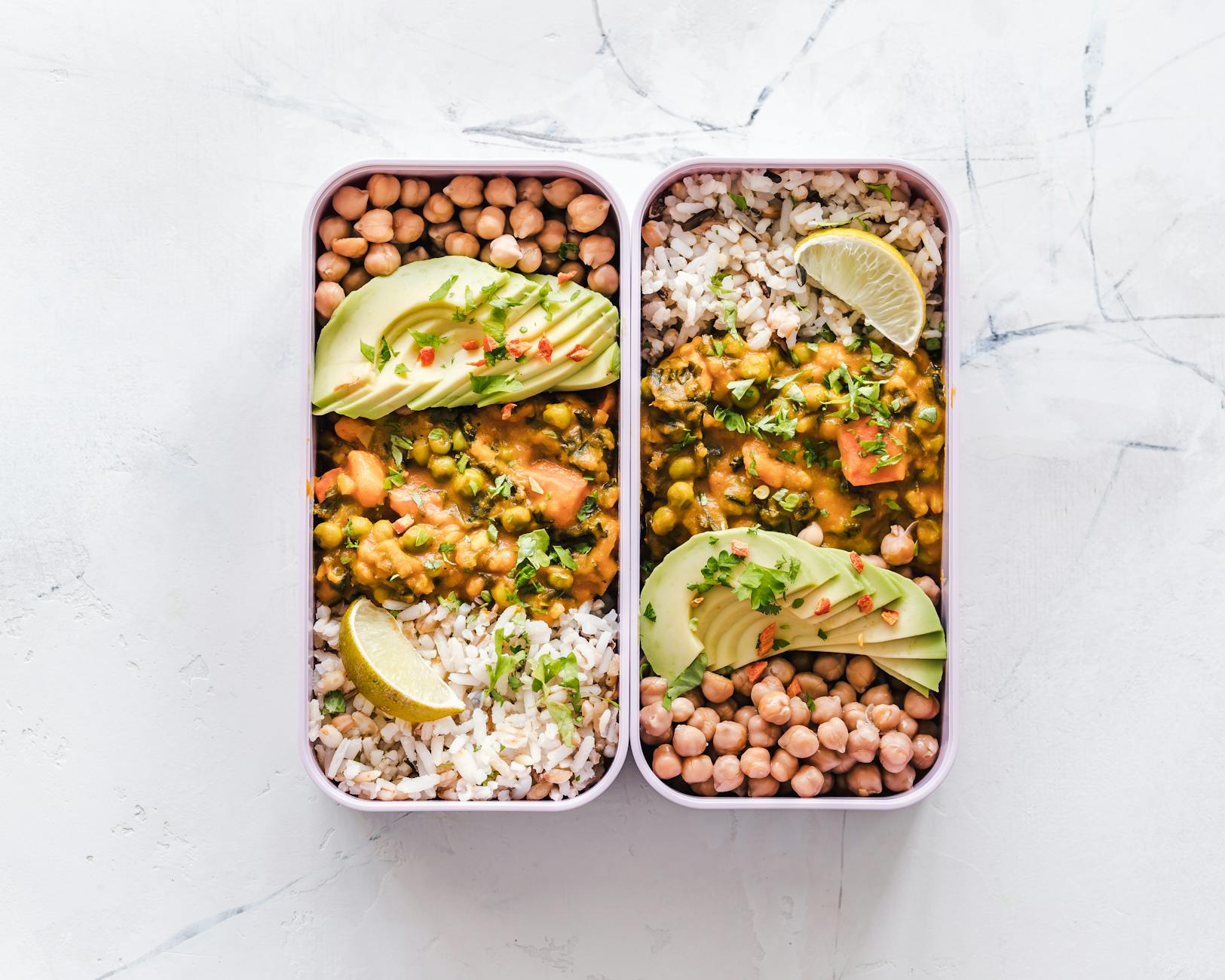
In today's fast-paced world, our bodies often bear the brunt of our busy lifestyles. We juggle work, family, and social commitments, and often, our diet takes a backseat. Indulging in rich, heavy, or processed foods can leave us feeling sluggish and unwell. If you're looking for a way to give your digestive system a much-needed break and reset your eating habits, a kitchari cleanse might be just what you need. This traditional Ayurvedic practice focuses on simple, easily digestible foods to help your body rest and rejuvenate. What Exactly is Kitchari? The word "kitchari" itself means "mixture" in Sanskrit. At its core, kitchari is a comforting dish made from a combination of a grain and a legume, cooked together into a warm, nourishing soup. The most common pairing in India is rice and split mung beans (moong dal). However, other whole grains like quinoa or millet, and legumes like lentils, can also be used. While legumes can sometimes be hard to digest, mung beans and lentils are generally considered easier on the stomach, making them ideal for a cleanse. Why Consider a Kitchari Cleanse? A kitchari cleanse is designed to be a gentle reset for your body. Think of it as giving your digestive system a vacation from the complex and often heavy foods we consume daily. By focusing on a limited, easily digestible menu, your body can direct its energy towards healing and repair rather than intense digestion. Many people turn to this cleanse after periods of overindulgence, like during festivals or holidays, to help rebalance their system. While some cleanses claim to "detox" the body of toxins, the primary benefit of a kitchari cleanse is providing digestive rest and helping to re-establish healthier eating patterns. Some people also report feeling a greater sense of mental clarity and lightness after a cleanse. How to Prepare for Your Kitchari Cleanse Before you dive into the cleanse itself, a little preparation can make the transition smoother. This is often called a "pre-cleanse" and can last from a few days up to a week. During this time, you can start by gradually reducing or eliminating things that won't be allowed during the cleanse. This might include: Sugary drinks and sweets Caffeine (coffee, strong tea) Alcohol Processed and fried foods Red meat You can also start shifting your diet towards simpler, whole foods. Focus on cooked vegetables, fruits, and whole grains. Hydration is key, so begin increasing your water intake. Aim for at least 8-12 glasses of water or herbal teas daily. What to Eat During a Kitchari Cleanse The star of the show during a kitchari cleanse is, of course, kitchari! The typical daily meal plan involves: Breakfast: A simple grain dish like oatmeal or a small bowl of cooked quinoa. Lunch and Dinner: A generous serving of kitchari. What goes into the kitchari? Grain: Typically basmati rice or another easily digestible grain. Legume: Split yellow mung beans (moong dal) are most common. Vegetables: Soft-cooked, easily digestible vegetables are added. Think carrots, zucchini, spinach, or leafy greens like fenugreek (methi). Avoid cruciferous vegetables like cauliflower or broccoli during the cleanse as they can be gas-forming. Spices: Mild spices are used for flavour and digestive support. Common additions include turmeric, cumin, coriander, ginger, and a pinch of asafoetida (hing). These spices are believed to aid digestion and reduce gas. What else can you have? Snacks: If you feel hungry between meals, you can have a piece of fresh fruit (like a banana or pear) or a small handful of raw, unsalted nuts (like almonds or walnuts). Beverages: Plain water and herbal teas are your best friends. Consider teas like ginger, fennel, or cumin tea, which are known for their digestive benefits. What to avoid during the cleanse: All processed foods Fried foods Dairy products (except maybe ghee in moderation, if tolerated) All meats and fish Onions and garlic (for a more traditional Ayurvedic cleanse, though some adapt this) Chilies and very pungent spices Refined sugars and artificial sweeteners Caffeine and alcohol A Day in the Life: A Kitchari Cleanse Scenario Imagine Priya, a working mother in Delhi, feeling constantly tired and bloated after a string of family weddings. She decides to try a 3-day kitchari cleanse. Her mornings start with a warm bowl of oatmeal and a cup of ginger tea. For lunch, she prepares a simple kitchari with rice, moong dal, grated carrots, and a pinch of turmeric and cumin. In the afternoon, if she feels peckish, she has a ripe banana. Her dinner is another comforting bowl of kitchari, perhaps with some added spinach. She makes sure to drink plenty of water throughout the day and goes to bed feeling lighter than she has in weeks. How Long Should a Kitchari Cleanse Last? Kitchari cleanses can range from 3 days to 10 days, or even longer, depending on your individual needs and goals. For beginners, starting with a shorter cleanse, like 3 days, is highly recommended. This allows you to experience the practice without feeling overwhelmed. The length can be adjusted based on how you feel and what you aim to achieve. Remember, the goal is to support your body, not to push it to its limits. The Post-Cleanse Transition Just as important as the cleanse itself is the transition back to your regular diet. This is often called a "post-cleanse." For about a week to ten days after the cleanse ends, you'll want to reintroduce foods gradually. Start by adding back one new food group at a time. For example, on day one, you might add back a small portion of cooked vegetables. The next day, perhaps a piece of fruit. Slowly reintroduce grains, then legumes, and finally, other foods. This careful reintroduction helps your digestive system adjust gently and prevents overwhelming it. Avoid jumping back into heavy, processed, or fried foods immediately. Potential Benefits (and Caveats) While scientific research specifically on the kitchari cleanse is limited, proponents suggest several potential benefits: Digestive Rest: Eases the burden on your digestive system. Improved Digestion: Many find their digestion feels lighter and more efficient afterwards. Eating Habit Reset: Helps break unhealthy eating patterns and encourages mindful eating. Sense of Lightness: Reduced bloating and a feeling of physical well-being. It's important to approach any cleanse with realistic expectations. While it can be a helpful tool for resetting habits, the idea of "detoxing" from specific toxins is not strongly supported by robust scientific evidence. Many of the benefits attributed to cleanses, like improved digestion or feeling healthier, can often be achieved through consistent, balanced eating and a healthy lifestyle. When to Consult a Doctor A kitchari cleanse is generally considered safe for most healthy individuals when done for a short period. However, it's always wise to consult with your doctor or a qualified healthcare provider before starting any new dietary plan, especially if you: Have any chronic health conditions like diabetes, kidney disease, or heart problems. Are pregnant or breastfeeding. Are taking medications. Have a history of eating disorders. Experience any adverse effects during the cleanse, such as severe fatigue, dizziness, or persistent digestive upset. Your healthcare provider can help you determine if a kitchari cleanse is appropriate for you and offer personalized guidance. Frequently Asked Questions (FAQ) Can I do a kitchari cleanse if I'm vegetarian or vegan? Yes! Kitchari is inherently vegetarian and can easily be made vegan by ensuring no dairy products (like ghee) are used. Is kitchari a weight-loss diet? While some people may lose a small amount of weight during a short cleanse due to reduced calorie intake and elimination of processed foods, it's not primarily designed as a weight-loss program. The focus is on digestive rest and resetting eating habits. What if I feel hungry during the cleanse? It's normal to feel a little hungry, especially in the first day or two. Try drinking a glass of water or herbal tea. If hunger is persistent, a small piece of fruit or a few raw nuts is usually permitted. Can I exercise during a kitchari cleanse? Gentle exercise like walking or yoga is generally fine. However, avoid strenuous workouts as your calorie intake will be lower than usual. Listen to your body and rest when needed. How do I make kitchari? To make basic kitchari, rinse 1/2 cup basmati rice and 1/2 cup split yellow moong dal. Sauté a teaspoon of ghee or oil in a pot with spices like turmeric, cumin, and ginger. Add the rinsed rice and dal, 4-5 cups of water or vegetable broth, and a pinch of salt. Bring to a boil, then simmer covered until very soft and mushy, about 30-40 minutes. You can add finely chopped, easily digestible vegetables like carrots or spinach in the last 10-15 minutes of cooking. Is this cleanse suitable for everyone in India? While the ingredients are common in Indian cuisine, the cleanse is a specific dietary approach. It's best suited for individuals looking for a digestive reset. Those with specific health conditions should consult a doctor. The
In summary, timely diagnosis, evidence-based treatment, and prevention-focused care improve long-term health outcomes.
Visit Hospital
Near You
Find essential information about dialysis clinics in Madhepura. Learn about treatment options, patient care, and choosing the right facility.
May 19, 2026
Find trusted nephrology clinics in East Singhbhum for expert kidney disease diagnosis, treatment, and management. Book your appointment today.
May 11, 2026
Find the best kidney hospitals in Giridih. Discover expert nephrologists, advanced treatments, and comprehensive care for kidney health.
May 9, 2026