

Emergency & Help
24/7 Emergency & General Advisory
🚨 24/7 Medical Emergency
Non-Emergency Advisory
10:00 AM – 6:00 PM, Mon–Sat
For appointments & general queries.
24/7 Emergency & General Advisory
🚨 24/7 Medical Emergency
Non-Emergency Advisory
10:00 AM – 6:00 PM, Mon–Sat
For appointments & general queries.
Explore the unique taste, traditional uses, and potential health benefits of black salt (Kala Namak). Discover how this mineral-rich salt differs from table salt and how to use it in your cooking.

In the diverse culinary landscape of India, salt is more than just a seasoning; it's a fundamental element that enhances flavours and plays a role in our well-being. While common table salt (sodium chloride) is a household staple, there's another type of salt gaining attention for its unique properties and potential health benefits: black salt, also known as Kala Namak. This article explores the fascinating world of black salt, from its origins and distinctive characteristics to its uses in cooking and its traditional health applications. We'll also address the scientific perspective and what it means for your health. What is Black Salt (Kala Namak)? Black salt, or Kala Namak, is a type of rock salt that gets its distinctive colour and smell from the presence of sulphur compounds. Unlike the refined white salt you might find in most kitchens, Kala Namak has a pinkish-grey to dark purple hue and a characteristic sulphurous aroma, often described as similar to hard-boiled eggs. This unique smell is due to the hydrogen sulphide it contains. The 'black' in black salt is a bit of a misnomer, as the salt crystals themselves are often pinkish or purplish, and when ground, they appear pink or light grey. The term likely refers to the darker, raw form of the salt before processing. Origin and Production Kala Namak is traditionally mined from the Himalayan regions of Nepal, India, Pakistan, Bangladesh, and Myanmar. Its formation is a result of ancient volcanic activity and salt lakes. The raw salt is then processed, often by heating it in a furnace with charcoal, herbs, and spices. This heating process, along with the addition of sodium sulphate, sodium bicarbonate, and sodium chloride, transforms the sodium chloride-rich rock salt into the familiar Kala Namak. The sulphur compounds are a key result of this traditional method. Nutritional Profile of Black Salt While the primary component of black salt is sodium chloride, just like regular salt, it contains trace amounts of minerals and compounds that give it its unique properties. These can include: Sodium chloride (NaCl) Sulphur compounds (like hydrogen sulphide) Iron Potassium Magnesium It's important to note that the exact mineral composition can vary depending on the source and processing methods. However, compared to refined table salt, Kala Namak is often considered less processed and contains these additional trace elements. Potential Health Benefits of Black Salt Black salt has been used in Ayurvedic medicine for centuries, and many of its purported benefits are rooted in traditional practices. While scientific research specifically on Kala Namak is limited, some of its traditional uses are linked to its mineral content and unique compounds. Here's a look at some of the commonly cited benefits: 1. Digestive Health One of the most well-known traditional uses of black salt is for improving digestion. It's believed to stimulate the production of bile acids in the liver, which helps in breaking down fats. The sulphur compounds may also play a role in its digestive properties. Many people find that consuming a small amount of black salt mixed with water or lemon juice can help alleviate issues like bloating, gas, and indigestion. Real-life scenario: Priya often feels bloated after heavy meals. Her grandmother suggested mixing a pinch of Kala Namak with a glass of warm water and a squeeze of lemon. Priya tried it, and within half an hour, she felt a significant reduction in her discomfort, allowing her to enjoy her evening without feeling heavy. 2. May Help with Acidity and Heartburn In Ayurveda, black salt is sometimes recommended to help neutralize stomach acid, potentially offering relief from heartburn and acid reflux. Its alkaline nature is thought to counteract the excess acidity in the stomach. 3. Potential Relief from Constipation Black salt is also traditionally used as a mild laxative. It's believed to stimulate bowel movements and can be helpful for those suffering from occasional constipation. A common remedy involves consuming it with warm water. 4. May Improve Skin and Hair Health The minerals present in black salt, particularly sulphur, are thought to be beneficial for skin and hair health. Sulphur is a component of keratin, a protein essential for strong hair and healthy skin. Traditionally, black salt has been used in face masks and hair treatments, although scientific evidence for these specific applications is scarce. 5. May Aid in Weight Management Some believe that black salt can aid in weight management by helping to reduce water retention and improve metabolism. However, this is largely anecdotal, and it's crucial to remember that salt, in general, should be consumed in moderation. 6. Source of Trace Minerals While not a significant source of vitamins or macronutrients, black salt does provide trace amounts of minerals like iron and potassium, which are essential for various bodily functions. However, these amounts are generally too small to contribute significantly to daily nutritional requirements compared to other food sources. How to Use Black Salt in Cooking Kala Namak's unique flavour profile makes it a popular ingredient in Indian cuisine, especially in street food and vegan dishes. Its savoury, slightly eggy taste is distinctive. Culinary Applications: Chaat Masala: It's a key component of chaat masala, a spice blend used in many Indian snacks like bhel puri, aloo chaat, and papri chaat. Raitas and Chutneys: A pinch of black salt can add a unique zing to yogurts, raitas, and various chutneys. Fruit Salads: Sprinkled lightly on fruit salads, it can enhance the sweetness of the fruits and add an interesting savoury note. Vegan Egg Substitute: Its eggy aroma makes it a popular ingredient for vegan dishes aiming to replicate the flavour of eggs, such as tofu scrambles or vegan omelettes. Beverages: It's sometimes added to drinks like jaljeera (a cumin-based spiced water) and nimbu pani (lemonade) for an extra kick. Tip: Because of its potent flavour, it's best to start with a small amount and add more to taste. It's often used as a finishing salt rather than during the main cooking process to preserve its aroma and flavour. Black Salt vs. Table Salt: What's the Difference? The primary differences lie in their: Appearance: Table salt is typically white and crystalline, while black salt ranges from pinkish-grey to dark purple. Smell: Table salt is odourless, whereas black salt has a distinct sulphurous aroma. Taste: While both are salty, black salt has a more complex, savoury, and slightly pungent flavour due to the sulphur. Processing: Table salt is usually refined, removing natural minerals. Black salt is less refined and contains trace minerals and sulphur compounds. Sodium Content: Both are primarily sodium chloride, but the overall health impact depends on consumption. Potential Downsides and Precautions Despite its traditional uses and unique flavour, it's important to be mindful of black salt's sodium content. Excessive intake of any type of salt can be detrimental to health, potentially leading to: High blood pressure (hypertension) Increased risk of heart disease and stroke Kidney problems Water retention Individuals with pre-existing health conditions, such as hypertension, heart disease, or kidney issues, should consume black salt (and all forms of salt) with extreme caution and consult their doctor before making it a regular part of their diet. The claims about specific health benefits, particularly those related to digestion and skin, are largely based on traditional use and anecdotal evidence. More rigorous scientific studies are needed to confirm these effects. When to Consult a Doctor While black salt can be a flavourful addition to your diet, it's essential to approach its use with awareness. You should consult a doctor or a registered dietitian if: You have high blood pressure, heart disease, or kidney problems and are considering using black salt regularly. You experience persistent digestive issues, and are seeking natural remedies. You have concerns about your overall sodium intake. You are considering using black salt for medicinal purposes beyond culinary use. A healthcare professional can provide personalized advice based on your health status and dietary needs. Conclusion Black salt, or Kala Namak, offers a unique flavour and aroma that can elevate your culinary creations. Its traditional uses in Ayurvedic medicine suggest potential benefits for digestion and other aspects of well-being, though these require more scientific validation. As with any salt, moderation is key. Enjoy its distinctive taste in your favourite dishes, but always be mindful of your overall sodium intake, especially if you have underlying health conditions. For those seeking natural flavours and a touch of culinary adventure, black salt is certainly worth exploring. Frequently Asked Questions (FAQ) Is black salt healthier than regular salt? Black salt is less processed than regular table salt and contains trace minerals and sulphur compounds, which regular salt often lacks after refinement. However, both are primarily sodium chloride, and excessive intake of either can be harmful. The 'healthier' aspect often refers to its less processed nature and traditional uses, not necessarily a significantly lower impact on sodium levels. Can I use black salt for everyday cooking? Yes, you can use black salt in moderation for everyday cooking, especially in Indian dishes where its flavour is appreciated.
In summary, timely diagnosis, evidence-based treatment, and prevention-focused care improve long-term health outcomes.
Visit Hospital
Near You
Everything you need to know about appendix surgery in Garden Reach, from symptoms to recovery. Expert insights for informed decisions.
May 19, 2026
Explore advanced oral cancer treatment options available in Bardhaman. Understand diagnosis, therapies, and support for patients.
May 19, 2026
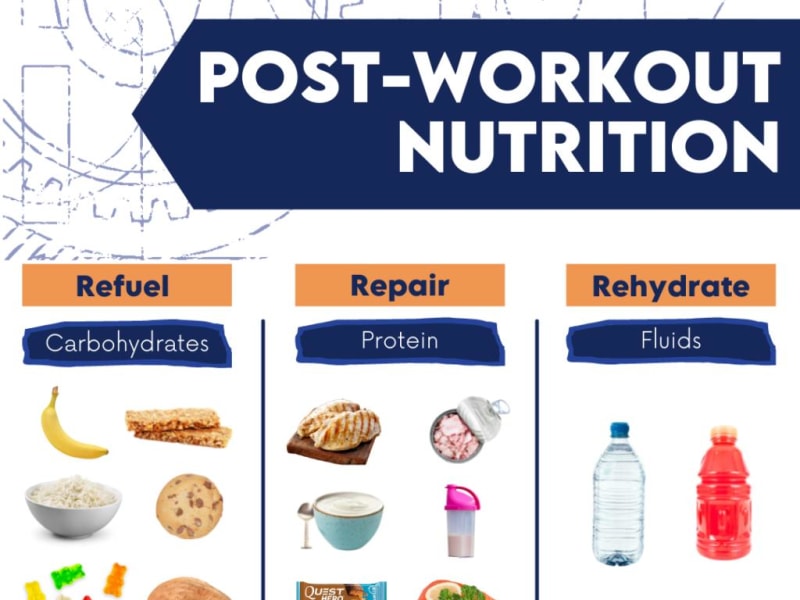
Pre- and post-workout nutrition are two of the most impactful yet frequently confused aspects of sports nutrition. The right foods at the right times can meaningfully improve performance, accelerate recovery, and maximise muscle adaptation — here's exactly what to eat and when.
April 14, 2026