

Emergency & Help
24/7 Emergency & General Advisory
🚨 24/7 Medical Emergency
Non-Emergency Advisory
10:00 AM – 6:00 PM, Mon–Sat
For appointments & general queries.
24/7 Emergency & General Advisory
🚨 24/7 Medical Emergency
Non-Emergency Advisory
10:00 AM – 6:00 PM, Mon–Sat
For appointments & general queries.
Jicama is a crispy root vegetable that is high in fibre and vitamin C. This simple guide gives the nutrition of it, its medical advantages, its uses and its possible side effects.
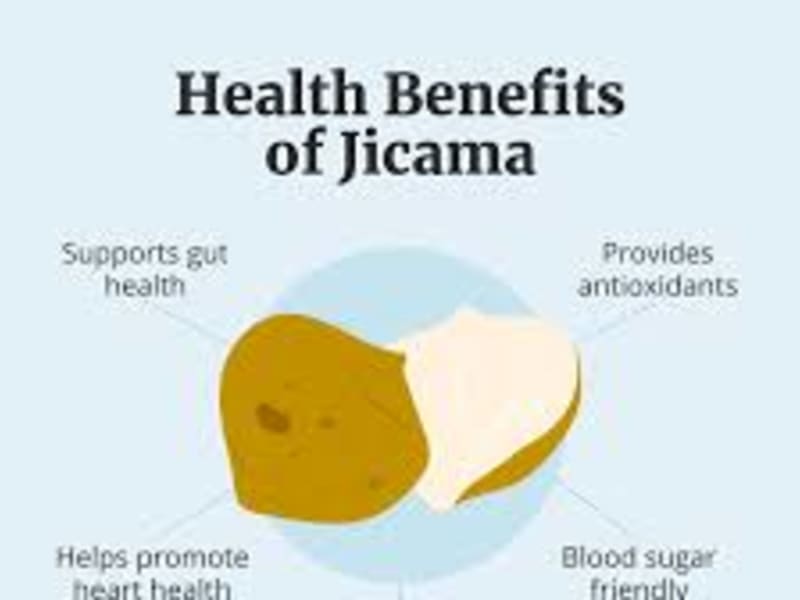
Learn about the jicama's advantages, nutrition, uses and adverse effects. A simple recipe of this nutritious root vegetable, and how you can incorporate it into your diet.
Jicama is a moderately sweet, crunchy root vegetable. It is typically eaten raw and served in salads and healthy snacks.
Nonetheless, jicama has gained attention over the last few years due to its nutritional value and potential health benefits. The awareness of the mechanism of action in the body will enable you be able to use it safely in the diet.
What is Jicama?
Jicama is a white, round vegetable; the skin is brown, and the inside is white. It is known as Mexican turnip or yam bean as well.
It is mostly eaten fresh, and it has a sweet taste, with a refreshing, juicy crunch of an apple or a pear:
Low in calories
High water content
Mildly sweet flavour
Taken with salads and snacks.
Native to Mexico
Jicama is regarded as a food rich in nutrients. It contains a low amount of fat and calories but is rich in essential vitamins and fibre. A hundred grams of jicama contains:
Calories: ~38
Carbohydrates: ~9 g
Fibre: ~4–5 g
Vitamin C: about 20 per cent of the daily needs. Minor amounts of magnesium and potassium, including inulin, specifically, a type of prebiotic fibre, which proves beneficial in the maintenance of gut health in particular.
Jicama has a number of health advantages that are provided by using it as part of a balanced diet. This is mainly due to its fibre, antioxidants and hydration value.
Supports Digestive Health: Jicama is a source of inulin fibre, which feeds the healthy intestinal bacteria:
Improves digestion
Supports gut microbiome
Helps prevent constipation
Aids Weight Management
Jicama is also low in calories and has high fibre content, therefore satiating:
Promotes fullness
Reduces overeating
Low-calorie diets are appropriate.
3. Boosts Immunity: Jicama also has vitamin C, which affects the immune system:
Helps fight infections
Supports skin repair
acts as an antioxidant.
4. Supports Heart Health: The jicama is full of fibre and potassium that can benefit the heart:
Assists in controlling cholesterol.
Normalises blood pressure.
Cuts the risk factors of heart disease.
The ways to consume Jicama:
Jicama is also flexible and simple to incorporate into meals. It is usually consumed uncooked. Jicama may be employed plainly in one or another way:
Crude pieces with salt and lemon.
Eat on salads: Bite it crisp. Mix into fruit bowls.
Use in stir-fries
Make healthy snack sticks.
Hint: Before eating, one should always peel the skin as it is not edible.
Side Effects and Precautions.
Jicama is usually safe for the majority of people, provided it is consumed in moderation. Nevertheless, some precautions are significant.
Seeds and leaves are fatal, but only the root part is edible.
High fibre can have the effect of causing bloating due to overeating.
Small portions should be the beginning for those whose digestion is delicate.
Wash and dry, then use.
Consumption of high-fibre foods may not be appropriate for you, and in this regard, you should consult a professional in the healthcare field in case of any digestive problems.
Though jicama is not toxic to most individuals, some individuals may be forced to take care of it.
Patients having serious digestive problems.
Root vegetable allergy (uncommon)
Small portions of food are supposed to be consumed by children in a supervised manner.
Jicama is an excellent and cool root vegetable and may help digestion, the immune system, and weight control. It is a healthy snack to a healthy food, as it contains low-calorie and high-fibre.
Jicama can be used in balanced foods; however, it should be consumed in moderation, and one should prepare it safely.
Does jicama have to be raw?
Yes, jicama is usually eaten crudely, and it is safe when it is peeled correctly.
Is jicama effective for weight loss?
It is calorie-free and rich in fibre, yes, that satisfies you.
Is jicama a blood sugar booster?
No, it has a low glycaemic impact, and it tends to be safe in the management of blood sugar.
4. Is jicama a gas-producer?
Yes, it can give a slight gas to some individuals because of the content of the fibre.
Author: Doctar Team
Disclaimer: To get more information, contact the Doctar on Doctar.
Visit Hospital
Near You
Seeking a weight loss doctor in Belgharia? Discover expert physicians and effective strategies for sustainable health improvements.
May 19, 2026
Learn effective strategies for managing blood sugar levels in Narendrapur. Expert advice for diabetes care and prevention.
May 19, 2026
Find the best endoscopy services in Budge Budge. Our expert specialists provide advanced diagnostic and therapeutic procedures.
May 19, 2026