The Truth About Fats: More Than Just Calories
Meena, a 45-year-old homemaker from Jaipur, always believed that all lipids were detrimental. Her doctor’s diagnosis of borderline high cholesterol left her confused and worried, especially since she tried to limit lipid intake. Does this sound familiar? For decades, lipids have been demonised in popular culture, often blamed for weight gain and heart disease.
However, the reality is far more complex. Not all lipids are created equal, and understanding the difference between beneficial and detrimental lipids is crucial for optimal well-being. In fact, essential fatty acids are vital building blocks for our bodies.
What most people miss: dietary lipids are an indispensable macronutrient, playing a critical role in hormone production, nutrient absorption (especially fat-soluble vitamins A, D, E, and K), and providing energy. When we indiscriminately cut out all lipids, we risk depriving our bodies of these essential functions.
Think about it this way: imagine trying to build a house without the right kind of cement; it simply won't stand strong. Similarly, our bodies need the right kinds of lipids to function optimally.
Why Beneficial Fats Are Non-Negotiable
The human body requires lipids for numerous physiological processes. They are integral to cell membrane structure, protecting our organs, and insulating our bodies. Beneficial lipids help regulate inflammation, support brain function, and are essential for supple skin and lustrous hair.
Recovery is rarely linear.
Excluding them entirely from your diet can have adverse effects, potentially leading to nutrient deficiencies and hormonal imbalances. For instance, Omega-3 fatty acids, a type of polyunsaturated fat, are particularly renowned for their anti-inflammatory properties and their role in cardiovascular and cognitive well-being.
The World Health Organization (WHO) recommends that adults derive between 20-35% of their daily energy intake from lipids. However, the emphasis must be on the *quality* of these lipids.
Trans fats, often found in processed and fried foods, are detrimental and should be avoided as much as possible. Conversely, unsaturated fats (monounsaturated and polyunsaturated) are the ones we should actively seek out.
Top 10 Beneficial Fat Foods You Should Be Eating
1. Avocados
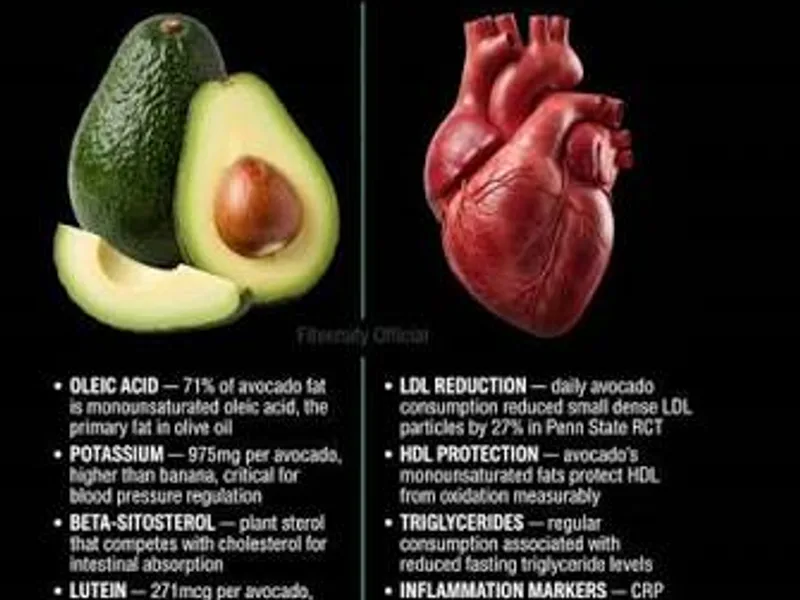
Avocados are a powerhouse of monounsaturated fats, primarily oleic acid, which is also found in olive oil. These lipids are excellent for cardiovascular well-being, helping to lower LDL (bad) cholesterol and raise HDL (good) cholesterol. Beyond their lipid content, avocados are rich in fibre, potassium, and various vitamins.
One medium avocado (about 200 grams) contains roughly 29 grams of total fat, with about 20 grams being monounsaturated. Incorporating them into salads, smoothies, or simply enjoying them with a sprinkle of salt and pepper can be incredibly beneficial.
Most people overlook this completely.
2. Fatty Fish (Salmon, Mackerel, Sardines)
Fatty fish are perhaps the most celebrated sources of Omega-3 fatty acids, specifically EPA (eicosapentaenoic acid) and DHA (docosahexaenoic acid). These long-chain polyunsaturated fats are vital for brain well-being, reducing the chance of cognitive decline, and supporting mood regulation. Studies published in journals like The Lancet have consistently shown the cardiovascular benefits of regular fish consumption. Aim for at least two servings of fatty fish per week. A 3-ounce serving of salmon can contain upwards of 1.5 grams of Omega-3s.
3. Nuts (Walnuts, Almonds, Pecans)
Nuts are incredibly nutrient-dense, offering a fantastic combination of beneficial lipids, protein, fibre, vitamins, and minerals. Walnuts, in particular, are a standout for their high Omega-3 (ALA) content, alongside monounsaturated and polyunsaturated fats. Almonds and pecans are also excellent choices, rich in monounsaturated lipids.
A small handful (about 28 grams or one ounce) provides a satisfying crunch and essential nutrients. Remember, portion control is key, as nuts are calorie-dense. Over 30% of the dry weight of walnuts consists of fat.
4. Seeds (Chia Seeds, Flaxseeds, Sunflower Seeds)
Similar to nuts, seeds are nutritional giants. Chia seeds and flaxseeds are exceptional plant-based sources of Omega-3 fatty acids (ALA). Flaxseeds, when ground, are more easily absorbed by the body.
Sunflower seeds, pumpkin seeds, and sesame seeds provide beneficial monounsaturated and polyunsaturated fats, along with vital minerals like magnesium and zinc. Adding a tablespoon of chia or flaxseeds to your morning oatmeal or yogurt is an easy way to boost your intake. Approximately 30-40% of flaxseed is oil.
5. Olive Oil (Extra Virgin)
Extra virgin olive oil (EVOO) is a cornerstone of the Mediterranean diet, lauded for its high monounsaturated fat content and potent antioxidants, particularly oleocanthal, which has anti-inflammatory effects similar to ibuprofen. It’s fantastic for cardiovascular well-being and has been linked to a reduced likelihood of chronic diseases.
Here's where it gets interesting.
Use it generously in salad dressings, for sautéing vegetables at moderate temperatures, or drizzled over finished dishes. A tablespoon of EVOO typically contains around 14 grams of fat, almost all of which is monounsaturated.
6. Dark Chocolate (70% Cacao or Higher)
Yes, chocolate can be good for you! Dark chocolate with a high cacao content (70% or more) is rich in antioxidants and contains beneficial monounsaturated fats from cocoa butter. It can support improve blood flow and has been associated with lower blood pressure and improved brain function.
Enjoy a small square or two as a treat. While decadent, it’s a more advantageous indulgence than many alternatives. A 100-gram bar of 70-85% dark chocolate contains approximately 40-50 grams of fat, with a significant portion being monounsaturated.
7. Eggs
Eggs have made a marked comeback in the well-being world. The yolk contains a good amount of lipids, including saturated, monounsaturated, and polyunsaturated fats, along with essential nutrients like choline, crucial for brain function and metabolism.
Here's where it gets interesting.
While eggs do contain cholesterol, research from institutions like AIIMS suggests that dietary cholesterol has a less marked impact on blood cholesterol levels for most people than previously thought. One large egg contains about 5 grams of fat, primarily in the yolk.
8. Edamame
These young soybeans are a complete protein source and also provide beneficial lipids, fibre, and various vitamins and minerals. A cup of shelled edamame offers about 8 grams of beneficial fat, predominantly polyunsaturated.
They are a versatile snack or addition to meals, whether steamed, boiled, or added to stir-fries. Their nutrient profile makes them an excellent choice for vegetarians and vegans looking to incorporate more beneficial lipids into their diet.
9. Full-Fat Yogurt (Plain)
While low-fat options are often pushed, full-fat plain yogurt (especially Greek yogurt) can be a beneficial source of beneficial lipids, probiotics, and calcium. The lipid content helps with satiety and the absorption of fat-soluble vitamins.
This is where most patients struggle.
Opt for plain varieties to avoid added sugars, which can negate the well-being benefits. One cup of full-fat Greek yogurt can contain around 10-12 grams of fat.
10. Olives
Olives themselves, like their oil, are rich in monounsaturated fats and antioxidants. They are a delicious addition to salads, pizzas, or enjoyed as a simple snack. The oleic acid content contributes to cardiovascular well-being benefits. A serving of about 10 large olives provides around 5-6 grams of fat, primarily monounsaturated.
The Nuances of Fat Intake
Here's the thing — it's not just about *what* you eat, but also *how much*. While these foods are rich in beneficial lipids, moderation remains key, especially if weight management is a concern.
Balancing your intake of beneficial lipids with lean proteins, complex carbohydrates, and plenty of fruits and vegetables ensures a well-rounded diet. Think about the cultural context of Indian cuisine – while many traditional dishes use ghee and oils, mindful preparation and portion sizes, especially during festive seasons with rich diets, are essential.
What should you actually do? Focus on incorporating a variety of these beneficial lipid sources into your daily meals. Don't fear lipids; embrace the *right* kinds of lipids.
Understanding your body's needs and making informed choices will pave the way for a more vibrant, energetic you. Remember, the goal is not to eliminate lipids but to prioritize unsaturated lipids and limit saturated and trans fats.
Key Takeaways
- Beneficial lipids are essential for hormone production, nutrient absorption, and energy.
- Monounsaturated and polyunsaturated fats (especially Omega-3s) offer marked well-being advantages.
- Fatty fish, nuts, seeds, avocados, and olive oil are prime sources of advantageous lipids.
- Over 101 million Indians have diabetes (ICMR, 2023), and a balanced diet rich in beneficial lipids can play a role in managing metabolic well-being.
- Portion control is crucial, even with beneficial lipid sources, due to their calorie density.
Always consult a qualified physician before making any medical decisions.