Almond Milk: A Detailed Look by Dr. Rajeev Singh
Meena, 45, a homemaker from Jaipur, noticed persistent bloating after her usual morning chai. She had recently switched from cow's milk to a plant-based alternative, hoping for a healthier choice. Her query to her doctor reflected a growing trend across India: is this nutty beverage truly the miracle drink it's often portrayed as?
This article, penned by Dr. Rajeev Singh, aims to provide a clear, evidence-based perspective on this popular drink, covering its uses, undeniable benefits, and potential drawbacks.
Understanding This Plant-Based Beverage
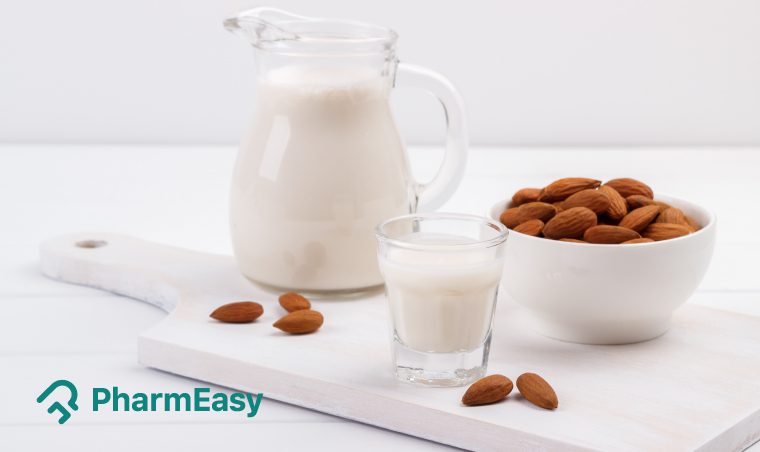
This popular drink is a plant-based beverage made by blending nuts with water and then straining the mixture to remove the solids. The result is a creamy, sometimes slightly nutty-tasting liquid that has gained immense popularity as a dairy-free substitute.
Its rise has been meteoric, fueled by increasing awareness of lactose intolerance, sensitivities to milk products, and a general shift towards plant-forward diets. 06 billion by 2025, according to Grand View Research, highlighting its significant market penetration.
Nutritional Profile: What's Inside?
The nutritional content of this beverage can vary significantly depending on whether it's store-bought or homemade, and importantly, whether it's fortified. Commercially available versions are frequently fortified with calcium and vitamin D, essential nutrients typically found in cow's milk. A standard 1-cup (240ml) serving of unsweetened versions generally contains:
Recovery is rarely linear.
- Calories: Around 30-50 kcal, making it a lower-calorie option compared to cow's milk (which has about 150 kcal per cup).
- Fat: Primarily unsaturated fats, which are considered heart-healthy.
- Protein: Very low, typically only 1 gram per cup. This is a crucial distinction from cow's milk, which offers about 8 grams of this essential macronutrient.
- Carbohydrates: Low in sugar, especially unsweetened varieties.
- Vitamins and Minerals: Frequently fortified with Vitamin E, calcium, and Vitamin D.
What most people miss: the protein content is drastically lower than cow's milk. This means relying solely on this plant-based drink for nutritional needs is insufficient for most adults, especially growing children and active individuals.
Health Benefits of This Plant-Based Drink
The perceived health benefits of this beverage are numerous, and many hold true when consumed as part of a balanced diet.
Weight Management
Its low-calorie count makes unsweetened versions an attractive option for those looking to manage their weight. Replacing high-calorie beverages like sweetened sodas or even full-fat cow's milk with this plant-based alternative can contribute to a calorie deficit.
For instance, swapping a 150-calorie glass of whole milk for a 40-calorie glass of unsweetened nut milk can save over 100 calories per serving. This seemingly small change, multiplied over weeks and months, can significantly impact weight management efforts.
Bone Health
Many commercial versions are fortified with calcium and Vitamin D, both vital for strong bones. Calcium is the building block of bone tissue, and Vitamin D aids in calcium absorption. Have you ever wondered why?
The numbers don't lie.
Without adequate Vitamin D, the body cannot efficiently use the calcium consumed, regardless of intake. Institutions like the National Osteoporosis Foundation recommend adequate intake of both for preventing osteoporosis.
Heart Health
This drink is rich in monounsaturated and polyunsaturated fats, which are beneficial for cardiovascular health. These fats can help lower LDL (bad) cholesterol levels while maintaining HDL (good) cholesterol.
The American Heart Association consistently emphasizes the importance of replacing saturated and trans fats with unsaturated fats for heart protection.
Diabetes Management
For individuals managing diabetes, unsweetened versions can be a suitable alternative to cow's milk, which contains more natural sugars (lactose). The low carbohydrate and sugar content of unsweetened nut milk means it has a minimal impact on blood glucose levels.
Over 101 million Indians have diabetes (ICMR, 2023), making dietary choices particularly critical for this population segment.
Lactose Intolerance and Dairy Allergies
This is perhaps the most considerable benefit for a large segment of the population. Lactose intolerance affects a substantial portion of the Indian population, with estimates suggesting it could be as high as 70-80%.
That's the part worth remembering.
This plant-based drink provides a safe and palatable option for those who experience digestive distress from lactose. Similarly, individuals with a true sensitivity to milk can safely consume it, avoiding the potentially severe reactions associated with milk components.
Antioxidant Properties
The nuts themselves are a good source of antioxidants, particularly Vitamin E. While the processing of this beverage may reduce the concentration of some nutrients found in whole nuts, it still retains some of these beneficial compounds. Antioxidants enable protect the body's cells from damage caused by free radicals.
Potential Side Effects and Considerations
Despite its benefits, this plant-based drink is not without its potential downsides. It's essential to be aware of these before making it a staple in your diet.
Low Protein Content
Going back to what we discussed, the nutritional value regarding protein is extremely low. This is a major drawback for individuals who rely on milk for a considerable portion of their intake. Children, athletes, and pregnant women, in particular, need adequate amounts for growth, repair, and development.
A single cup of this beverage provides only about 1 gram, whereas cow's milk offers roughly 8 grams. To meet needs, one would need to consume an unrealistic volume or supplement significantly with other sources.
That alone changes everything.
Allergies
While it's a substitute for cow's milk, this drink is derived from tree nuts. Individuals with tree nut sensitivities, particularly to this specific nut, must avoid it completely.
Such sensitivities can range from mild to life-threatening anaphylaxis, and cross-contamination is also a concern. The prevalence of food sensitivities is on the rise globally, including in India.
Additives and Sweeteners
Many commercial versions contain additives like carrageenan (a thickening agent), emulsifiers, and added sugars or artificial sweeteners to improve taste and texture. Carrageenan, in particular, has been linked to digestive issues in some individuals, including inflammation and bloating.
What most people miss: reading the ingredient list is crucial. Opting for unsweetened varieties with minimal additives is generally advisable.
Nutrient Absorption Issues
The phytates present in the nuts can inhibit the absorption of certain minerals like iron and zinc. While this is generally not a considerable concern in a varied diet, it's something to consider if this beverage forms a substantial part of your intake and other mineral-rich foods are lacking.
Environmental Impact
Cultivation of the primary ingredient is water-intensive. Producing one kilogram of these nuts can require thousands of liters of water, raising concerns about sustainability, particularly in drought-prone regions. While less impactful than dairy farming in terms of greenhouse gas emissions, the water footprint is a notable consideration.
Incorporating This Beverage into Your Diet
This plant-based drink can be a versatile ingredient. Practically speaking, its uses extend from beverages to cooking and baking.
Beverages
It's excellent in smoothies, coffee, and tea. Its mild flavour doesn't overpower other ingredients, making it a popular choice for morning drinks. Many enjoy it chilled as a refreshing drink, especially during the warmer months in India.
That alone changes everything.
Cereals and Oatmeal
Pouring this beverage over your breakfast cereal or stirring it into oatmeal provides a creamy texture without the lactose found in traditional milk. This is a simple way to start the day with a dairy-free option.
Cooking and Baking
This drink can be used in recipes that call for cow's milk, such as pancakes, muffins, sauces, and soups. It can add a subtle richness and moisture. However, due to its low nutritional value regarding protein, it may not provide the same structure or browning in baked goods as cow's milk or soy milk.
Homemade Nut Milk
Making your own version at home allows for complete control over ingredients. You can ensure no unwanted additives or sugars are included. The process involves soaking nuts, blending them with water, and straining the mixture.
While time-consuming, it results in a fresh, pure product. A basic recipe involves 1 cup of nuts soaked overnight, blended with 4 cups of water, and strained through a nut milk bag.
This Beverage vs. Other Alternatives
The landscape of non-dairy milk is vast. Soy milk, for instance, offers a nutritional profile much closer to cow's milk (around 7-8 grams per cup) and is a complete source of essential amino acids. Oat milk is creamy and slightly sweet, often fortified, and contains more carbohydrates than this nut-based drink.
It sounds simple. It rarely is.
Coconut milk (the beverage kind, not canned) is lower in calories but has a distinct coconut flavour. The International Diabetes Federation (IDF) recommends mindful choices for diabetic patients, and comparing these options based on individual nutritional needs is paramount.
But why does this happen? Each plant-based milk has a unique nutritional composition, making it suitable for different dietary goals and preferences. For instance, soy milk is often recommended for its nutritional value, while oat milk is favoured for its creamy texture and lower allergen profile compared to nuts.
Worth knowing: The choice between this nut milk, soy milk, oat milk, or others often comes down to personal preference, dietary needs (especially for protein), sensitivities, and taste. If nutritional value is a priority, soy or pea milk might be better choices than this nut-based beverage.
Conclusion
This plant-based drink can be a beneficial addition to the diet for many, particularly those seeking a low-calorie, dairy-free option. Its versatility in culinary applications and its contribution to bone and heart health are noteworthy. However, its significantly low content of essential macronutrients means it cannot replace cow's milk or other sources entirely, especially for growing children or highly active individuals.
Here's where it gets interesting.
Careful attention to ingredient lists is essential to avoid unwanted additives and sugars. For individuals with nut sensitivities or those concerned about water usage, alternative plant-based milks might be more appropriate.
The reality is, like any food, this beverage's place in a healthy diet depends on individual needs and how it is consumed. Understanding its nutritional profile, potential benefits, and drawbacks empowers informed dietary choices. It's a good option, but not a universal replacement for cow's milk in all contexts.
Always consult a qualified physician before making any medical decisions.
Key Takeaways
- This plant-based drink is a low-calorie, dairy-free beverage with low nutritional value (approx. 1g/cup).
- Often fortified with calcium and Vitamin D, supporting bone health.
- Rich in healthy fats, potentially benefiting heart health.
- Unsweetened varieties are suitable for diabetes management due to low sugar.
- Avoid if you have tree nut allergies; check labels for additives and sugars.