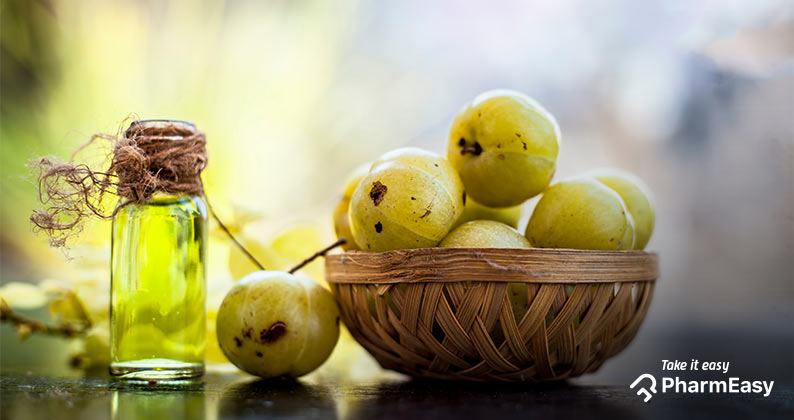
7 Science-Backed Wellness Advantages Of Amla (Gooseberry)!
Meena, 45, a homemaker from Jaipur, noticed her body's defenses had taken a hit after the last monsoon. Frequent colds and persistent tiredness were becoming the norm. She remembered her grandmother often making amla juice, especially during the change of seasons. Skeptical but desperate, Meena started her day with a glass of fresh amla juice.
Within weeks, she felt a noticeable difference. Honestly, Meena’s story isn't unique. Amla, or the Indian Gooseberry (Phyllanthus emblica), is a cornerstone of traditional Indian medicine, celebrated for centuries. Its potent wellness-promoting properties are now being validated by modern science.
Practically speaking, integrating amla into your diet can offer a remarkable array of advantages, touching everything from your immune system to your skin. Have you ever wondered why this humble fruit holds such esteemed status in Ayurveda?
It’s packed with an extraordinary concentration of nutrients, particularly Vitamin C, making it a powerhouse for well-being. Over 101 million Indians have diabetes (ICMR, 2023), and conditions like these highlight the need for accessible, natural wellness solutions.
Recovery is rarely linear.
The Nutritional Powerhouse: Why Amla Excels
Amla is truly exceptional. It contains roughly 20 times the amount of Vitamin C found in an orange. This single fruit boasts a rich profile of polyphenols, flavonoids, and tannins, all potent free radical scavengers.
These compounds combat oxidative stress — the cellular damage caused by unstable molecules, which are linked to aging and chronic diseases. In many cases, the synergistic effect of these nutrients provides advantages far beyond what a single vitamin or mineral could offer.
The free radical scavenging capacity of amla is significant. Studies have shown it to be superior to many other fruits and vegetables in its ability to neutralize harmful unstable molecules.
This high free radical scavenging content is crucial for protecting our cells from damage. It's a key reason why amla is considered a rejuvenating agent in Ayurvedic practices.
7 Science-Backed Wellness Advantages of Amla
1. Bolsters Immunity
Amla is a natural immunity booster. Its high Vitamin C content stimulates the production of white corpuscles, which are the body's primary defense against infections. These cells are vital for fighting off bacteria and viruses. Additionally, amla’s other free radical scavengers help protect immune cells from damage, ensuring they function optimally. Research published in the Journal of Ethnopharmacology has highlighted amla’s immunomodulatory effects, suggesting it can enable regulate immune responses. For instance, a study found that amla extract could enhance the activity of specific immune cells.
2. Enhances Digestive Health
Suffering from indigestion or acidity? Amla can be a game-changer. It acts as a natural laxative, helping to regulate bowel movements and prevent constipation. Its fiber content aids digestion, promoting a healthy gut microbiome.
The fruit also stimulates the secretion of digestive juices, improving nutrient absorption. Worth knowing: Amla is particularly effective in balancing pitta dosha, according to Ayurvedic principles, which often relates to digestive issues like acidity and heartburn. Studies suggest amla can support reduce stomach inflammation and protect the stomach lining.
That's the part worth remembering.
Did you know that gastrointestinal disorders affect a marked portion of the population? Amla’s ability to soothe the digestive tract and promote regularity makes it an invaluable natural remedy.
Its impact on gut health extends to potentially alleviating symptoms of irritable bowel syndrome (IBS) for some individuals, though more research is needed.
3. Promotes Healthy Skin
Want radiant skin? Amla can aid. Its high free radical scavenging and Vitamin C content work wonders for skin well-being. Vitamin C is essential for collagen production, a protein that keeps skin firm and elastic.
By fighting unstable molecule damage, amla helps reduce signs of aging, such as wrinkles and fine lines. It also possesses anti-inflammatory properties that can soothe skin irritations and conditions like acne. Applying amla juice or paste topically can benefit improve skin tone and reduce blemishes.
Honestly, the cosmetic advantages are quite remarkable. Amla extracts are often found in anti-aging serums and skin-brightening creams. Its ability to cleanse the circulatory system also contributes to clearer, healthier-looking skin from within. So what does that mean for you? Incorporating amla can lead to a more youthful and vibrant complexion.
4. Supports Hair Growth and Prevents Hair Fall
Amla is a revered ingredient in traditional Indian hair care. Its nutrients strengthen hair follicles, reduce hair shedding, and promote healthy hair growth. The Vitamin C helps prevent premature graying of hair, while its anti-inflammatory properties can soothe an itchy scalp.
That alone changes everything.
Regularly massaging amla oil into the scalp can elevate circulation and nourish the hair roots. Many Indian households traditionally use amla powder mixed with water or other ingredients to create hair masks, especially during the humid monsoon season when hair can become dull and prone to breakage.
The effectiveness of amla for hair well-being is attributed to its rich free radical scavenging and phytonutrient content. These elements nourish the scalp, combat dandruff, and promote the growth of thick, lustrous hair.
The prevalence of hair concerns among Indian women, often exacerbated by environmental factors and lifestyle, makes amla a popular and trusted remedy.
5. May enable Manage Blood Sugar Levels
For individuals managing diabetes, amla may offer supportive advantages. While not a cure, its high fiber content and specific compounds like emblicanin may enable slow down the absorption of sugar into the circulatory system. This can assist prevent sharp spikes and drops in glucose levels. Studies, including those published in journals like the International Journal of Food Science and Nutrition, have explored amla’s potential hypoglycemic effects. The World Health Organization (WHO) estimates that over 422 million people worldwide have diabetes, underscoring the importance of dietary interventions.
Practically speaking, incorporating amla into a balanced diet, under medical supervision, could be a beneficial addition for those monitoring their glucose. However, it is crucial to consult with a healthcare provider to understand how amla fits into your specific treatment plan.
6. Improves Heart Health
Amla’s advantages extend to cardiovascular well-being. Its free radical scavengers benefit reduce inflammation and oxidative stress, which are key contributors to heart disease. Some research suggests that amla may enable lower cholesterol levels, particularly LDL ('bad') cholesterol, and prevent the buildup of plaque in arteries.
That alone changes everything.
The fruit's ability to strengthen circulation further supports a healthy heart. The Indian Council of Medical Research (ICMR) consistently highlights the growing burden of cardiovascular diseases in India, making natural protective agents like amla increasingly relevant.
Have you ever wondered why traditional diets often included fruits rich in free radical scavengers? Amla, with its potent compounds, contributes to maintaining healthy circulatory vessels and reducing the risk factors associated with heart ailments. Its regular consumption could be a proactive step towards better cardiac well-being.
7. Rich Source of Free Radical Scavengers for Overall Well-being
Beyond specific advantages, amla is a potent source of free radical scavengers that protect your body from the cellular damage caused by unstable molecules. This broad-spectrum protection is vital for preventing chronic diseases and promoting longevity. The sheer concentration of Vitamin C, combined with other phytonutrients like gallic acid and ellagic acid, makes amla a nutritional powerhouse.
Its impact is systemic, supporting the well-being of virtually every organ and system in the body. The Lancet has published numerous studies on the role of free radical scavengers in disease prevention, reinforcing the value of foods like amla.
The numbers don't lie.
Honestly, the cumulative effect of these free radical scavengers is profound. They enable combat the aging process at a cellular level and support the body’s natural detoxification pathways. So what does that mean for you? A daily dose of amla could contribute significantly to your long-term wellness and vitality.
How to Consume Amla
There are numerous ways to incorporate this superfood into your diet:
- Fresh Amla Juice: Blend fresh amla pieces with a little water and strain. Drink it on an empty stomach.
- Amla Powder: Mix amla powder with warm water and consume. It can also be added to smoothies or yogurt.
- Amla Chutney or Pickle: A traditional way to consume amla, often prepared during festivals or for daily meals.
- Dried Amla: Available in markets, these can be consumed as a snack.
- Amla Murabba: A sweet preserve made from amla, often used medicinally in Ayurveda.
Worth knowing: While amla is generally safe, excessive consumption might lead to digestive discomfort for some individuals. It's always best to start with small quantities.
Key Takeaways
- Amla is exceptionally rich in Vitamin C, boasting up to 20 times more than an orange.
- It is a potent source of free radical scavengers that combat cellular damage and aging.
- Amla supports a robust immune system and enhances digestive health.
- Traditional use and scientific studies highlight its advantages for hair and skin well-being.
- Emerging research suggests potential advantages for managing glucose and improving heart health.
Always consult a qualified physician before making any medical decisions.