Avocado Drink: An Examination of its Health Implications
Meena, 45, a homemaker from Jaipur, experienced persistent sluggishness and occasional digestive unease. Her neighbour, a keen wellness advocate, suggested she add avocado drink to her diet, touting its numerous supposed wellness advantages.
Meena, curious but wary, decided to investigate this vibrant green liquid before making it a staple. She questioned if it truly offered improved well-being, or if it was merely another passing wellness fad.
The truth is, avocado drink is widely perceived as a wellness elixir, largely because the whole fruit is an established nutritional powerhouse. While the fruit itself offers an impressive array of vitamins, minerals, and beneficial fats, transforming it into a drink can alter its nutritional makeup and impact. Grasping this alteration is vital for making wise dietary choices.
So what does this mean for you? It means we must look past the hype and examine the science.
Nutritional Profile of Avocado Drink
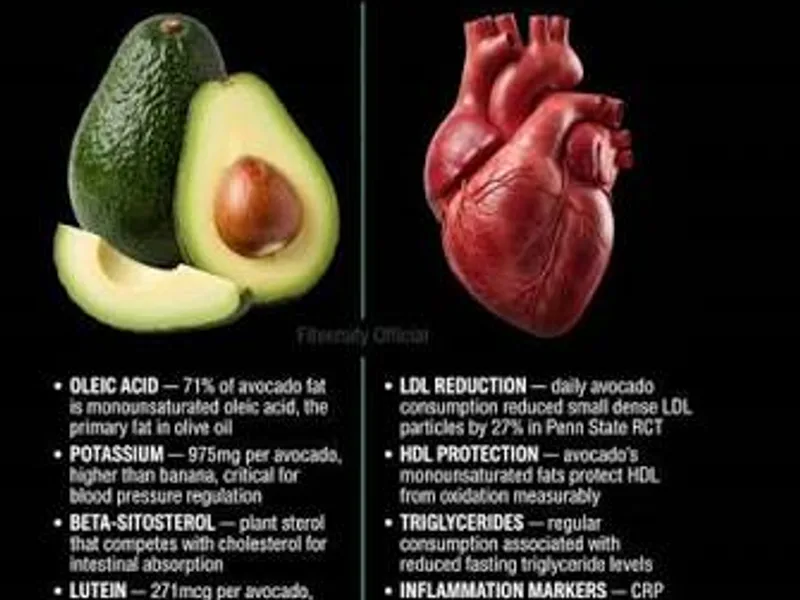
Avocado, botanically a large berry, is recognized for its distinct nutritional makeup. It is exceptionally abundant in monounsaturated fatty acids (MUFAs), especially oleic acid, also found in olive oil. These fats are considered beneficial for the heart and can help manage cholesterol.
The numbers don't lie.
A single cup of avocado (around 150 grams) provides roughly 240 calories, with a substantial portion derived from these good fats. Practically speaking, this calorie density warrants consideration, particularly for those monitoring their weight.
When avocado is prepared as a drink, the process typically involves blending the flesh with water or other liquids, sometimes with sweeteners or flavourings. The resulting drink retains many of the vitamins and minerals present in the whole fruit.
These include Vitamin K, crucial for blood clotting and bone strength; Vitamin C, a potent antioxidant; Vitamin E, another antioxidant protecting cells from damage; and several B vitamins, like folate, B6, and niacin, vital for energy processing and brain function. It also provides minerals like potassium, important for blood pressure regulation (an average avocado contains more potassium than a banana), and magnesium, involved in over 300 bodily functions.
However, the juicing process can potentially decrease the fibre content compared to consuming the whole fruit. Fibre is critical for digestive wellness, aids in regulating blood sugar, and promotes fullness.
The numbers don't lie.
, if blended with the skin or using a high-speed blender that pulverizes some pulp), it is generally less concentrated than in whole avocado. The International Food Information Council (IFIC) Foundation notes that dietary fibre intake is often insufficient in many populations, highlighting the importance of fibre-rich foods.
Potential Wellness Benefits of Avocado Drink
Given its nutrient richness, avocado drink is frequently linked to several wellness advantages. The high MUFA content is a primary driver of these claims, especially concerning cardiovascular wellness. Research published in journals like The Lancet suggests that diets high in MUFAs can aid lower LDL (bad) cholesterol and increase HDL (good) cholesterol, thereby reducing the risk of heart disease. In India, cardiovascular conditions are a major public wellness concern, responsible for a significant portion of fatalities, making heart-friendly dietary choices increasingly vital.
The antioxidant effects of vitamins C and E, alongside other phytonutrients in avocados, may benefit decrease oxidative stress and inflammation within the body. Chronic inflammation is associated with various ailments, including cancer and autoimmune conditions.
Honestly, the protective role of antioxidants is fundamental to preventative wellness strategies globally.
Additionally, the potassium in avocado drink can support maintaining healthy blood pressure. This is particularly relevant in India, where hypertension is prevalent, affecting an estimated 15-20% of adults, according to the Indian Council of Medical Research (ICMR).
Sufficient potassium intake helps counteract the negative effects of sodium on blood pressure.
The satiety-inducing effects of the healthy fats and fibre (even if reduced) in avocado drink may also assist with weight management. Feeling fuller for longer can support curb overall calorie consumption.
Most people overlook this completely.
In many situations, individuals aiming to manage their weight find that incorporating healthy fats into their diet can be more sustainable than extremely low-fat methods.
Potential Side Effects and Considerations
While avocado drink offers nutritional advantages, it is not without potential downsides. The high calorie and fat content, primarily from MUFAs, can contribute to weight gain if consumed excessively, especially if added to an already calorie-dense diet without adjustments.
For those with specific dietary limitations or health issues, this caloric density requires careful oversight.
Some individuals might experience digestive discomfort, such as bloating or gas, after consuming avocado, particularly if they are sensitive to its fibre or fat content. It's also crucial to consider how the drink is prepared.
Adding sugar, honey, or other high-calorie sweeteners can negate the wellness benefits and contribute to unwanted calorie intake, potentially worsening issues like blood sugar control, which is especially pertinent given the increasing prevalence of diabetes in India – over 101 million Indians have diabetes (ICMR, 2023).
Avocado can also interact with certain medications, notably blood thinners like warfarin, due to its substantial Vitamin K content. Vitamin K plays a vital role in blood clotting, and marked shifts in its intake can interfere with the effectiveness of anticoagulant treatment.
It sounds simple. It rarely is.
Individuals on such medications should consult their healthcare provider before substantially increasing their avocado or avocado drink intake.
But why does this happen? The interaction stems from Vitamin K's function in the liver's synthesis of clotting factors. Consistent and adequate intake is necessary for the medication to function properly. Sudden large increases, such as from a concentrated drink, can reduce the drug's potency.
Avocado Drink vs. Whole Avocado
When comparing avocado drink to its whole fruit counterpart, several key distinctions arise. The most considerable is the fibre content. Whole avocados are an excellent source of dietary fibre – a medium avocado contains about 10-13 grams.
Juicing, depending on the method, can considerably reduce this amount. This means missing out on some of the digestive benefits, blood sugar regulation, and prolonged fullness that fibre provides.
The preparation method also plays a part. Making avocado drink often involves blending, which can incorporate more air, potentially leading to quicker oxidation and a shorter shelf life compared to whole avocados.
The taste profile can also differ; while whole avocado has a creamy, rich texture, a drink can be thinner and may require additional ingredients to enhance flavour, potentially introducing sugar or other less healthy components.
Most people overlook this completely.
From a practical viewpoint, eating a whole avocado is often more satisfying and requires less preparation time if you're simply seeking a nutritious snack. Imagine enjoying half an avocado with a sprinkle of salt and pepper – simple, tasty, and nutrient-rich.
Conversely, a drink offers a convenient way to consume a concentrated dose of avocado's nutrients, especially for those who dislike the texture of the whole fruit or need a quick, portable option.
Culturally, in India, avocados are gaining traction, though they are not as traditionally established as fruits like mangoes or bananas. They are sometimes included in celebratory meals, perhaps as a modern addition to elaborate feasts.
However, the concept of juicing avocados is still relatively new compared to traditional Indian beverages like lassi or nimbu pani.
Incorporating Avocado Drink into Your Diet
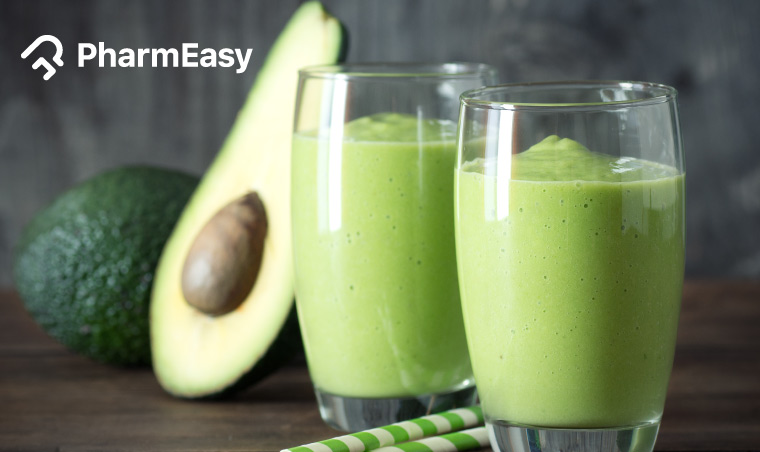
If you choose to incorporate avocado drink, consider making it at home to control the ingredients. A straightforward recipe involves blending ripe avocado flesh with water, a squeeze of lime or lemon juice (to prevent oxidation and add zest), and perhaps a touch of natural sweetener like dates or a minimal amount of honey if desired.
For an added nutritional boost, you could blend in spinach or kale, further enhancing the vitamin and mineral content without significantly altering the flavour.
Begin with small amounts to assess your tolerance. Pay attention to your body – if you experience discomfort, reduce the quantity or frequency. The key is moderation.
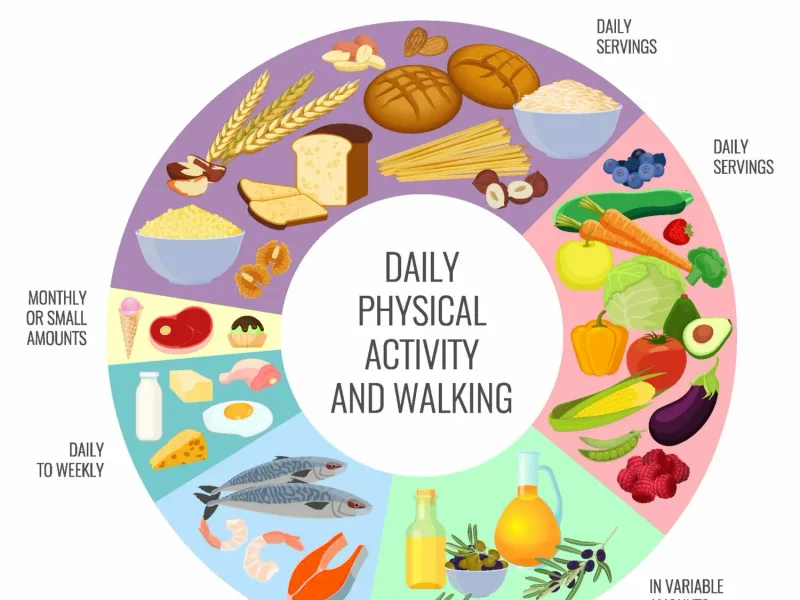
A 4-6 ounce serving daily or a few times a week is often enough to experience potential benefits without excessive calories or fats. The World Health Organization (WHO) advocates for a balanced diet rich in fruits, vegetables, and whole grains, and avocado drink can fit within this framework when consumed mindfully.
The numbers don't lie.
Remember that avocado drink should complement, not replace, a balanced diet. Relying solely on a drink for nutrition can lead to deficiencies in other essential nutrients found in a varied diet. Think of it as an enhancement to your healthy eating habits, much like adding a hint of exotic spice to a familiar dish.
Key Takeaways
- Avocado drink retains many vitamins (K, C, E, B vitamins) and minerals (potassium, magnesium) from the whole fruit.
- It is rich in heart-healthy monounsaturated fats but may have reduced fibre content compared to whole avocado.
- Potential benefits include improved cardiovascular wellness, antioxidant effects, and support for blood pressure regulation.
- Excessive consumption can lead to weight gain due to high calorie and fat content; it may also interact with blood-thinning medications.
- Homemade avocado drink allows for better control over ingredients, especially added sugars.
Always consult a qualified physician before making any medical decisions.