Bajra (Pearl Millet): A Nutritional Powerhouse for Modern India
Meena, 45, a homemaker from Jaipur, noticed her glucose levels creeping up despite trying various diets. Her doctor suggested incorporating more whole grains, and she remembered her grandmother talking about bajra, especially during the cooler months. Skeptical but hopeful, Meena started replacing her usual wheat roti with bajra rotis. Within weeks, she felt more energetic, her digestion improved, and her latest check-up showed a significant improvement in her HbA1c levels. Meena’s story is not unique; it highlights the resurgence of ancient grains like bajra, which are packed with nutritional benefits often overlooked in our pursuit of Westernised diets.
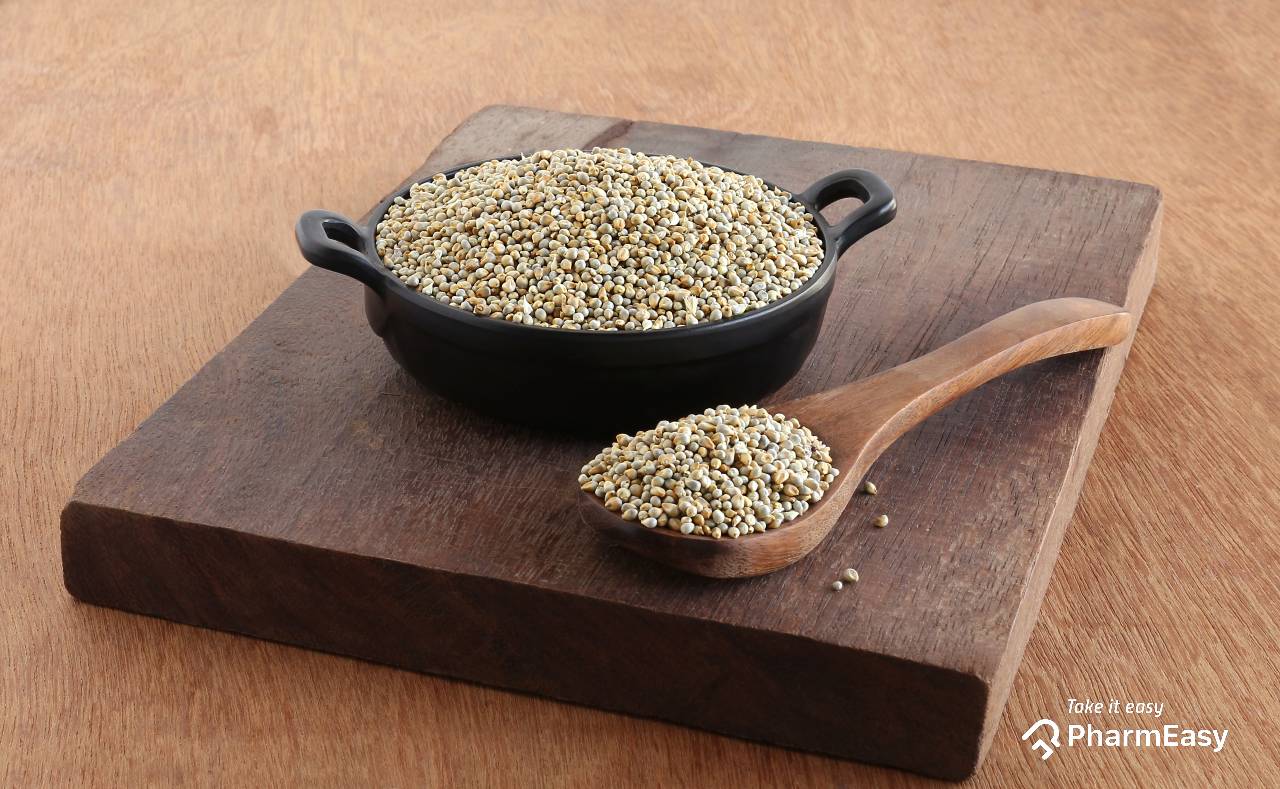
Bajra, or pearl millet, is one of the oldest millets cultivated and has been a staple food in many parts of India for centuries. It thrives in arid and semi-arid regions, requiring minimal water and fertilisers, a sustainable and climate-resilient crop.
While often relegated to rural diets or considered a poor man’s grain, scientific research increasingly validates its exceptional nutritional profile. Honestly, its return to our plates is a testament to its profound impact on well-being.
The Undeniable Nutritional Value of Bajra
Bajra is a nutritional giant, offering a spectrum of vital macro and micronutrients. It’s a complex carbohydrate source, meaning it digests slowly, providing sustained energy release.
This characteristic is particularly beneficial for managing glucose levels. Think about it this way: instead of a quick sugar rush and crash, bajra offers a steady fuel supply for your body and brain.
1. High in Fiber for Digestive Health
One of the most considerable benefits of bajra is its remarkably high fiber content. 6 grams of fiber. This dietary fiber is crucial for maintaining a healthy digestive system.
It adds bulk to stool, promoting regular bowel movements and preventing constipation. This prebiotic action feeds beneficial bacteria in your gut, vital for overall well-being and immunity. In many cases, digestive discomfort stems from a lack of adequate fiber intake.
This is where most patients struggle.
2. Rich in Protein for Muscle and Tissue Repair
For vegetarians, especially in India where plant-based diets are common, bajra offers a valuable protein source. It contains about 11 grams of protein per 100 grams, comparable to wheat.
Protein is vital for building and repairing tissues, producing enzymes and hormones, and supporting muscle mass. This makes bajra an excellent addition to the diet for athletes, growing children, and individuals looking to maintain muscle health.
3. Packed with Essential Minerals
Bajra is a treasure trove of vital minerals. It is particularly rich in:
- Iron: Crucial for preventing anemia, a widespread issue in India. Over 50% of Indian women and 30% of men suffer from iron-deficiency anemia (WHO). Bajra provides a good non-heme source of iron.
- Magnesium: Important for over 300 biochemical reactions in the body, including nerve function, muscle contraction, and blood pressure regulation. Studies suggest adequate magnesium intake can reduce the risk of heart disease.
- Phosphorus: Works with calcium to build strong bones and teeth. It also plays a role in energy metabolism.
- Manganese: An antioxidant that helps protect cells from damage and is involved in bone formation and metabolism.
- Zinc: Essential for immune function, wound healing, and cell growth.
What most people miss: the sheer density of these minerals in such a humble grain is astounding, offering a natural way to meet daily requirements.
4. Gluten-Free Alternative
For individuals with celiac disease or gluten sensitivity, bajra offers a safe and nutritious alternative to wheat and other gluten-containing grains. Its gluten-free nature makes it accessible to a wider population seeking healthier grain options. This is a meaningful advantage in a country where wheat-based products are dominant.
5. Low Glycemic Index for Diabetes Management
This is perhaps one of bajra's most celebrated benefits, especially in the context of India's growing diabetes epidemic. Over 101 million Indians have diabetes (ICMR, 2023), and managing glucose is paramount. Bajra has a low glycemic index (GI), meaning it releases glucose into the bloodstream slowly and steadily.
This prevents sharp spikes and crashes in glucose levels, making it an ideal food for diabetics and pre-diabetics. The high fiber content further aids in slowing down glucose absorption. Have you ever wondered why traditional diets often had better diabetes control?
That alone changes everything.
6. Heart Health Benefits
The combination of fiber, magnesium, and other antioxidants in bajra contributes significantly to cardiovascular health. The soluble fiber helps lower LDL (bad) cholesterol levels, while magnesium helps regulate blood pressure.
Regular consumption may reduce the danger of heart disease and stroke. The International Diabetes Federation (IDF) has also highlighted the importance of whole grains like millet in preventing cardiovascular complications associated with diabetes.
7. Antioxidant Properties
Bajra contains various phenolic compounds and flavonoids, which act as antioxidants. These compounds help combat oxidative stress in the body by neutralizing harmful free radicals.
Oxidative stress is linked to chronic diseases like cancer, heart disease, and premature aging. Including antioxidant-rich foods like bajra in your diet can bolster your body’s defence mechanisms.
8. Aids in Weight Management
The high fiber and protein content in bajra promotes satiety, making you feel fuller for longer. This can aid reduce overall calorie intake and curb cravings, making it an excellent food for weight management.
Replacing refined grains with bajra can be a strategic move for those aiming for a healthier weight. Its slow digestion also prevents energy slumps that often lead to unhealthy snacking.
9. Supports Bone Health
With its good content of phosphorus and calcium (though not as high as dairy), bajra contributes to maintaining strong bones. Phosphorus is vital for bone structure, working alongside calcium. Adequate intake of these minerals is essential throughout life to prevent osteoporosis, a condition increasingly affecting Indians.
That alone changes everything.
10. Boosts Immunity
The array of vitamins, minerals (like zinc), and antioxidants present in bajra plays a role in strengthening the immune system. A robust immune system is your body's first line of defence against infections and diseases. Consuming nutrient-dense foods like bajra supports overall vitality and resilience.
11. Versatile Culinary Uses
Bajra’s culinary versatility is another reason for its growing popularity. It can be used to make rotis, bhakris, porridge, upma, pancakes, and even baked goods. During winter, hot bajra rotis are a comforting and nutritious meal, often enjoyed with ghee and seasonal vegetables.
Its slightly nutty flavour adds a unique dimension to dishes. Think of the delicious taste of hot bajra rotis on a chilly morning after sitting on the floor during a family gathering – a true taste of tradition.
12. Sustainable and Eco-Friendly
From an agricultural standpoint, bajra is a champion. It requires significantly less water than rice or wheat, a sustainable choice in water-scarce regions of India. Its ability to grow in poor soil conditions and withstand drought reduces the need for chemical fertilisers and pesticides.
Here's where it gets interesting.
This makes it an environmentally friendly crop, aligning with global calls for sustainable agriculture. The Food and Agriculture Organization of the United Nations (FAO) has recognized millets as a key to future food security.
Incorporating Bajra into Your Diet
Making bajra a regular part of your diet is simpler than you might think. Start by substituting half of your wheat flour with bajra flour when making rotis or parathas. You can also prepare a wholesome bajra porridge for breakfast or try savory upma. Experiment with bajra ladoos or pancakes for a healthy snack.
Remember, consistency is key to reaping the long-term benefits. But why does this happen? The cumulative effect of consistent nutrient intake and improved digestive health gradually transforms your well-being.
The journey back to traditional grains like bajra is not just about nostalgia; it's about embracing a scientifically proven path to better well-being. As research from institutions like the Indian Council of Medical Research (ICMR) continues to highlight the benefits of indigenous foods, embracing bajra becomes a conscious choice for a healthier future.
It sounds simple. It rarely is.
Its low glycemic index, high fiber, and rich mineral content make it a powerful ally against lifestyle diseases prevalent in India.
Key Takeaways
- Bajra is exceptionally rich in dietary fiber (approx. 1.6g per serving), promoting digestive health and preventing constipation.
- It boasts a low glycemic index, making it highly beneficial for glucose management, particularly for the over 101 million Indians with diabetes.
- The grain is a good source of vital minerals like iron, magnesium, phosphorus, and zinc, supporting overall bodily functions and preventing deficiencies.
- Bajra is naturally gluten-free, offering a safe and nutritious option for individuals with celiac disease or gluten intolerance.
- Its high fiber and protein content contribute to satiety, aiding in weight management efforts by reducing overall calorie intake.
Always consult a qualified physician before making any medical decisions.