The Unsung Hero: Understanding Banana Flower's Nutritional Value
Meena, 45, a homemaker from Jaipur, noticed a persistent, nagging cough that wouldn't subside, even after trying several home remedies. Her neighbour, a retired nurse, suggested incorporating the banana flower – often discarded as waste – into her diet, citing its historical benefits.
Meena was skeptical at first, having only ever seen the banana plant’s fruit. This common Indian perspective, overlooking the nutritional powerhouse that is the banana flower (also known as the banana blossom or 'Mocha' in some regions), highlights a significant gap in our dietary knowledge.
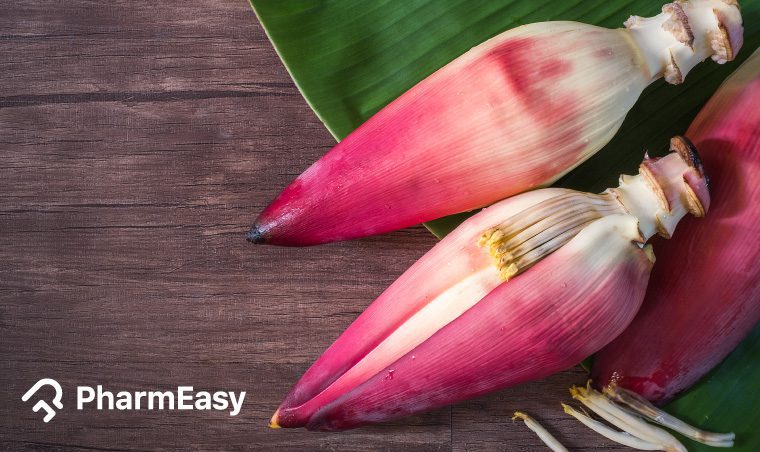
Honestly, most of us associate bananas with their sweet, potassium-rich fruit, completely ignoring the remarkable properties of its large, purple, teardrop-shaped flower. This often-neglected part of the plant is steeped in tradition and backed by emerging scientific evidence, offering a spectrum of wellness advantages.
What should you actually do with this culinary and medicinal marvel? Let’s explore its uses, benefits, and any possible drawbacks.
Nutritional Profile: A Deep Dive into Banana Flower's Goodness
The banana flower is surprisingly rich in essential nutrients. It’s a good source of dietary fibre, crucial for digestive well-being.
Additionally, it contains various vitamins, including Vitamin A, Vitamin C, and Vitamin E, along with minerals like potassium, calcium, iron, and magnesium. Think about it this way: you’re essentially consuming a concentrated dose of plant-based goodness.
The numbers don't lie.
Its fibre content is particularly noteworthy. A single serving can contribute significantly to your daily recommended intake, aiding in satiety and promoting a healthy gut microbiome.
This makes it an excellent addition for those looking to manage their weight or improve digestive regularity. The flower also contains antioxidants, which help combat oxidative stress in the body.
Wellness Benefits of Banana Flower: Beyond Historical Wisdom
1. Diabetes Management
One of the most major benefits associated with banana flower consumption is its role in managing diabetes. Studies suggest that the high fibre content helps regulate blood sugar levels by slowing down carbohydrate absorption. Research published in journals like Phytotherapy Research has indicated that extracts from the banana flower can strengthen insulin sensitivity.
Over 101 million Indians are estimated to have diabetes (ICMR, 2023), making conditions like this a major public wellness concern. Incorporating foods that naturally support blood sugar control, like the banana flower, could be a valuable strategy.
The low glycemic index of the cooked flower also contributes to its suitability for diabetic diets. In many cases, historical remedies are finding validation in modern science.
2. Weight Management Support
The high fibre and low-calorie count of the banana flower make it an ideal food for weight management. Fibre promotes a feeling of fullness, reducing overall calorie intake.
Its low carbohydrate content means it won't contribute to rapid blood sugar spikes that can lead to cravings. Eating dishes prepared with banana flower can be a satisfying way to curb hunger pangs without adding excessive calories.
What most people miss is how effectively simple, natural foods can support weight loss goals. Instead of relying solely on fad diets, integrating such nutrient-dense ingredients into regular meals can yield sustainable results. A study indicated that a diet rich in fibre can significantly aid in reducing body weight and improving lipid profiles.
3. Anaemia Relief
Banana flowers are a decent source of iron, a mineral vital for red blood cell production. Iron deficiency anaemia is prevalent, especially among women in India.
The World Health Organization (WHO) estimates that nearly half of all non-pregnant women aged 15–49 years in India have anaemia. Consuming iron-rich foods like the banana flower, especially when paired with Vitamin C-rich foods (which enhance iron absorption), can aid combat this deficiency.
It sounds simple. It rarely is.
Proper iron intake is crucial for energy levels and overall well-being. The presence of iron in the banana flower makes it a valuable addition to the diet, particularly for vulnerable populations. This is a clear example of how historical food practices can address frequent nutritional challenges.
4. Improved Digestive Health
The substantial dietary fibre content is a boon for the digestive system. It adds bulk to stool, preventing constipation and promoting regular bowel movements. A healthy gut is linked to numerous aspects of well-being, including immune function and even mental wellness. Consuming fibre-rich foods regularly supports a thriving gut microbiome.
Think about it this way: your digestive tract is like a garden; fibre acts as the mulch that keeps everything healthy and functioning smoothly. Regular intake of banana flower can contribute to preventing digestive disorders and ensuring optimal nutrient absorption from other foods you eat. It’s good for you.
5. Antioxidant Properties
Banana flowers are packed with antioxidants, such as flavonoids and polyphenols. These compounds enable neutralize harmful free radicals in the body, protecting cells from damage.
Oxidative stress is linked to chronic diseases like heart disease, cancer, and premature aging. The antioxidant power of the banana flower can contribute to overall cellular health and longevity.
So what does that mean for you? It means that by incorporating this natural ingredient into your diet, you are actively taking steps to protect your body at a cellular level. This proactive approach to wellness is invaluable.
That's the part worth remembering.
6. Uterine Health and Menstrual Regulation
In historical Indian medicine, particularly Ayurveda, the banana flower has been used to address gynaecological issues. It is believed to enable balance hormones and manage excessive bleeding during menstruation.
Some studies suggest that compounds within the flower may have anti-inflammatory and antispasmodic effects, potentially easing menstrual cramps.
While more robust clinical research is needed, these historical uses point towards advantages for women's reproductive wellness. Anecdotal evidence from countless Indian households, passed down through generations, supports these applications. It's a testament to the wisdom embedded in our culinary heritage.
How to Prepare and Consume Banana Flower
Preparing the banana flower might seem daunting initially, but it's quite manageable. Start by peeling away the tough outer bracts (the dark purple leaves) until you reach the pale, crisp inner core. The innermost part, the tiny white florets, can be used in cooking.
It's essential to trim the tough central pistil and stamen from each floret. The tender inner core can be chopped and used like a vegetable.
It's advisable to soak the prepared flower pieces in salted water or buttermilk for about 15-30 minutes to prevent browning and reduce any potential bitterness. The banana flower can be cooked in various ways: stir-fried, added to curries, soups, or even made into fritters (pakoras).
Most people overlook this completely.
In Kerala, a popular dish is 'Kozhukatta', a steamed dumpling filled with a mixture including banana flower.
Remember the monsoon season? During these times, fresh vegetables can be scarce, making nutrient-dense options like the banana flower even more valuable. Eating floor-sitting meals, widespread in many Indian homes, often involves a variety of vegetable preparations, and banana flower can be a unique and healthy addition to such feasts.
Possible Side Effects and Precautions
While generally safe for most people when consumed as food, there are a few considerations. Due to its astringent properties, overconsumption might lead to constipation in some individuals, especially if fluid intake is inadequate. Those with known allergies to bananas or related plants should exercise caution.
For pregnant and breastfeeding women, it's always best to consult a healthcare provider before making notable dietary changes, although historical use suggests it may be beneficial for certain pregnancy-related issues like excessive bleeding. The International Diabetes Federation (IDF) also emphasizes a holistic approach to diabetes management, which includes diet but should always be supervised by a medical professional.
What most people miss is that even natural remedies need to be approached with typical sense. Moderation is key, and listening to your body is paramount. If you experience any adverse reactions, discontinue use and seek medical advice.
Most people overlook this completely.
Conclusion: Embracing the Banana Flower
The banana flower is a nutritional treasure trove, offering a wide array of wellness benefits, from managing blood sugar levels and aiding weight loss to improving digestion and providing essential minerals. Its versatility in the kitchen, combined with its medicinal properties, makes it a valuable addition to the Indian diet.
Embracing this underutilized ingredient can contribute significantly to overall wellness and well-being. Its capacity to support chronic disease management and provide vital nutrients underscores its importance in both historical and modern healthcare perspectives. This humble flower truly deserves a place on our plates.
Key Takeaways:
- Banana flowers are rich in fibre, vitamins (A, C, E), and minerals (iron, potassium, magnesium).
- They may support in managing diabetes by regulating blood sugar levels due to their fibre content and hypoglycemic properties.
- The low calorie and high fibre content support weight management by promoting satiety.
- Banana flowers are a source of iron, potentially aiding in the prevention and management of anaemia.
- Historical uses suggest benefits for uterine health and menstrual cycle regulation, though more research is needed.
Always consult a qualified physician before making any medical decisions.