Beetroot: A Powerhouse of Nutrients for Your Well-being
Meena, 45, a homemaker from Jaipur, noticed her energy levels dipping significantly during the harsh summer months. Coupled with occasional dizziness, she worried about her overall well-being.
Her doctor suggested incorporating more nutrient-dense foods into her diet, and Meena, remembering her grandmother’s remedies, decided to try something familiar yet often overlooked: the vibrant root vegetable known as beetroot.
This crimson root has surged in popularity, celebrated for its vivid colour and impressive nutritional profile. Scientifically known as Beta vulgaris, this earthy vegetable is packed with vitamins, minerals, and antioxidants. Its potent compounds, particularly dietary nitrates, are believed to offer a wide array of advantages for your physical condition. But what exactly are these benefits, and how can you incorporate this superfood into your daily routine? Let’s explore the world of this remarkable root.
The Nutritional Powerhouse of Beetroot
Honestly, the nutritional density of this root is quite remarkable. A single 100-gram serving of raw beetroot contains approximately 43 calories, 1.6 grams of protein, 9.6 grams of carbohydrates, and 2.8 grams of dietary fibre. It’s also a good source of essential micronutrients.
Key Nutrients Found in Beetroot:
- Folate (Vitamin B9): Crucial for cell growth and DNA formation.
- Manganese: Important for bone health and metabolism.
- Potassium: Aids in maintaining healthy arterial tone.
- Iron: Essential for oxygen transport in the circulatory system.
- Vitamin C: A powerful antioxidant that supports the immune system.
- Nitrates: Naturally occurring compounds that the body converts to nitric oxide.
Practically speaking, these nutrients work synergistically to support various bodily functions, making beetroot a valuable addition to a balanced diet.
Advantages of Beetroot
The benefits of this root vegetable extend across several aspects of well-being, from cardiovascular function to athletic performance. The primary driver behind many of these advantages is the high concentration of dietary nitrates.
1. Supports Healthy Arterial Tone
Elevated arterial tone, or hypertension, is a significant public health concern in India. Over 315 million Indians suffer from hypertension (Lancet, 2022). Dietary nitrates in beetroot are converted into nitric oxide (NO) in the body.
That's the part worth remembering.
Nitric oxide is a vasodilator, meaning it helps to relax and widen vessels, thereby improving circulation and reducing arterial tension. Studies published in journals like the *American Journal of Clinical Nutrition* have shown that consuming beetroot can lead to a major reduction in both systolic and diastolic arterial readings.
What should you actually do? Incorporating a small serving of beetroot daily could be a natural way to support your cardiovascular health. However, it's crucial to monitor your arterial readings regularly.
2. Enhances Athletic Performance
Does this sound familiar? Many athletes, from marathon runners to weightlifters, swear by beetroot. The nitric oxide produced from beetroot nitrates improves mitochondrial efficiency, the powerhouses of our cells.
This means your muscles can use oxygen more effectively, delaying fatigue and boosting endurance. Research has indicated that beetroot can improve time trial performance by up to 2% in elite athletes.
That's the part worth remembering.
For amateur athletes or even those who enjoy regular physical activity, this could translate to longer workouts and quicker recovery. Consider consuming beetroot a few hours before a strenuous activity.
3. May enhance Brain Function
The nitric oxide generated from beetroot nitrates also plays a role in brain function. By increasing circulation to the brain, particularly to the frontal lobe—the area associated with higher-level thinking and decision-making—beetroot may help strengthen cognitive function.
Some preliminary studies suggest that this effect might be more pronounced in older adults, potentially helping to combat age-related cognitive decline.
4. Possesses Anti-inflammatory Properties
Beetroot contains pigments called betalains, which are responsible for its vibrant colour. Betalains have demonstrated potent antioxidant and anti-inflammatory effects.
Chronic inflammation is linked to numerous diseases, including heart disease, cancer, and diabetes. Consuming foods rich in antioxidants, like beetroot, can aid combat oxidative stress and reduce inflammation throughout the body.
5. Supports Liver Health
The liver is vital for detoxification and metabolism. Beetroot contains antioxidants like betalains and other compounds that may benefit protect the liver from damage and support its natural detoxification processes. While more research is needed, some animal studies suggest that beetroot extract can aid reduce liver damage and strengthen its function.
It sounds simple. It rarely is.
6. Aids in Digestive Health
The fibre content in beetroot, which is also present in its processed forms (though less than in the whole vegetable), can contribute to digestive health. Fibre helps promote regular bowel movements and can prevent constipation. It also acts as a prebiotic, feeding beneficial gut bacteria, which is crucial for overall gut health.
Potential Side Effects and Precautions
While beetroot offers numerous advantages, it's not without potential side effects. Understanding these can assist you consume it safely.
Beeturia
The most common side effect is beeturia, a harmless situation where urine and stools turn reddish or pinkish. This occurs due to the presence of betalains, which are not fully metabolised by everyone. It typically resolves once you stop consuming beetroot.
Kidney Stones
Beetroots are relatively high in oxalates, which are naturally occurring compounds. In individuals prone to calcium oxalate kidney stones—the most prevalent type of kidney stone—high oxalate intake can increase the risk of stone formation. If you have a history of kidney stones, it's advisable to consume beetroot in moderation or consult your doctor.
Arterial Tone Drop
For individuals already taking medication for high arterial tone, the arterial tone-lowering effect of beetroot could potentially lead to hypotension (arterial tone that is too low). This can cause dizziness and fainting. Honestly, it’s essential to discuss your beetroot consumption with your doctor if you are on antihypertensive medication.
The numbers don't lie.
Digestive Upset
Some individuals might experience mild digestive discomfort, such as bloating or diarrhoea, especially when consuming large quantities of beetroot. Starting with a small amount and gradually increasing it can aid your body adjust.
Here's the thing — if you have specific health conditions, like diabetes or are pregnant or breastfeeding, always seek professional medical advice before making notable dietary changes.
How to Incorporate Beetroot into Your Diet
Adding beetroot to your diet is simple and can be quite enjoyable. You can consume it in various forms or mix it with other fruits and vegetables for a more palatable taste.
Preparing Beetroot
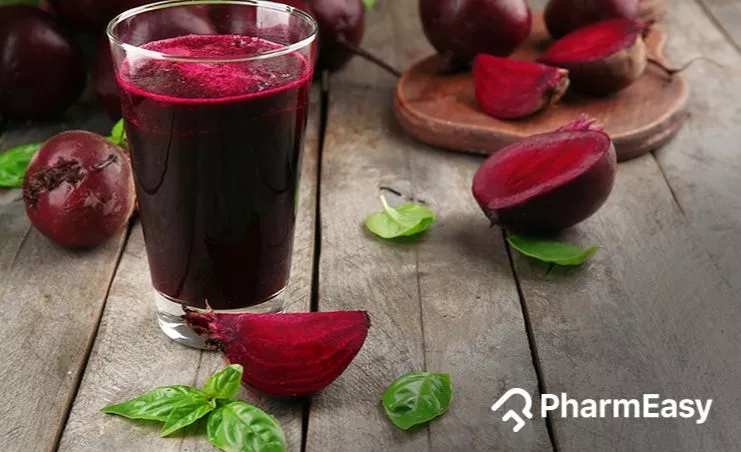
Whether you're roasting, steaming, or juicing, the preparation is straightforward. Wash the beetroots thoroughly, trim off the leaves and roots. If juicing, feed them into the juicer. You can juice them whole or cut them into smaller pieces. For other preparations, peeling might be necessary depending on your recipe.
Popular Combinations
- Beetroot and Apple: The sweetness of apple balances the earthiness of beetroot.
- Beetroot, Carrot, and Ginger: A classic combination offering a nutritional punch and a spicy kick.
- Beetroot, Orange, and Lemon: This citrus blend adds vitamin C and a refreshing flavour.
- Beetroot with Leafy Greens: Mix beetroot with spinach or kale for added nutrients.
When preparing food at home, especially during the monsoon season when food safety is a concern, ensure you wash all produce thoroughly. Remember, freshly prepared beetroot dishes are best consumed promptly to retain maximum nutrients.
If you're preparing food after sitting on the floor during a festival meal, ensure your preparation area is clean.
When to Consume Beetroot
Many people prefer consuming beetroot first thing in the morning on an empty stomach to maximise nutrient absorption. Others find it beneficial to consume it about 2-3 hours before a workout to boost performance. Consistency is key; aim to include it regularly rather than sporadically.
That alone changes everything.
Beetroot vs. Whole Beetroot
While beetroot is concentrated in nutrients, whole beetroots offer the advantage of fibre. Fibre is crucial for satiety, digestive health, and arterial regulation. When you process beetroot into a concentrated form, you remove most of the fibre.
Therefore, incorporating whole beetroots into your diet through salads, roasting, or steaming is also highly recommended. The International Diabetes Federation (IDF) highlights the importance of dietary fibre in diabetes management, a issue affecting over 101 million Indians (ICMR, 2023).
Expert Opinions and Research
Leading health institutions and research bodies acknowledge the benefits of beetroot. The World Health Organization (WHO) promotes diets rich in vegetables and fruits for overall well-being.
Numerous studies published in peer-reviewed journals, including those from institutions like AIIMS (All India Institute of Medical Sciences), have explored the cardiovascular and metabolic benefits of dietary nitrates found in vegetables like beetroot.
In many cases, the scientific evidence supporting the benefits of beetroot, particularly concerning arterial tone and athletic performance, is robust. However, it's always wise to approach any health trend with a balanced perspective.
Most people overlook this completely.
Key Takeaways
- Beetroot is rich in nitrates, vitamins, and minerals, offering meaningful health benefits.
- It can support lower arterial tone and elevate athletic performance due to its nitric oxide content.
- Potential side effects include beeturia and, for susceptible individuals, an increased likelihood of kidney stones.
- Whole beetroots provide fibre, which is essential for digestion and arterial regulation.
- Always consult a qualified physician before making any medical decisions.