What Is Biotin and Why Does Your Body Need It?
Meena, 45, a homemaker from Jaipur, noticed her hair thinning significantly over the past few months, especially after the monsoon season. Her nails felt brittle, and she experienced unusual fatigue.
Confused and concerned, she decided to consult her doctor. After a series of tests, her doctor explained that a lack of a crucial B vitamin might be the culprit: biotin.
What exactly is biotin, and why is it so important for our well-being? Often referred to as Vitamin B7, biotin is a water-soluble vitamin that plays a fundamental role in numerous bodily functions. It’s a cofactor for several carboxylase enzymes involved in crucial metabolic pathways.
Think about it this way: biotin acts like a tiny, indispensable key that unlocks the doors for these enzymes to do their job efficiently. Without sufficient biotin, these processes can falter, leading to a cascade of well-being issues, much like Meena experienced.
Over 101 million Indians have diabetes (ICMR, 2023), a condition where metabolic processes are significantly affected. Biotin's role in metabolism is therefore central to maintaining overall wellness. It is instrumental in converting food into energy, helping to break down fats, carbohydrates, and proteins.
This metabolic support is vital for everyone, from athletes to individuals managing chronic conditions. The efficient processing of macronutrients ensures that our bodies have the fuel they need for daily activities and cellular repair.
That alone changes everything.
The Essential Roles of Biotin in the Body
Biotin's influence extends far beyond simple energy production. Its significance is deeply rooted in cellular well-being and function across various systems. What most people miss is the sheer breadth of its impact.
Supporting Metabolism and Energy Production
At its core, biotin is a vital component of enzymes that facilitate key metabolic reactions. These enzymes, known as carboxylases, are involved in gluconeogenesis (the creation of glucose from non-carbohydrate sources), fatty acid synthesis, and amino acid metabolism. This means biotin is directly involved in how your body uses the food you eat for energy and building blocks.
The efficiency of these processes directly impacts your energy levels and your body's ability to perform essential functions, from muscle contraction to brain activity. Without adequate biotin, the metabolic machinery can become sluggish, leading to fatigue and reduced physical capacity.
Promoting Healthy Hair, Skin, and Nails
Perhaps the most widely recognized benefit of biotin is its contribution to the appearance of our hair, skin, and nails. Biotin is crucial for keratin production. Keratin is the primary structural protein found in hair and nails. Adequate biotin levels help strengthen nails, reducing brittleness and breakage.
This is where most patients struggle.
For hair, it supports the keratin infrastructure, potentially leading to reduced hair fall and improved thickness and shine. Many individuals, especially those experiencing postpartum hair loss or age-related thinning, turn to biotin supplements. While research is ongoing, anecdotal evidence and some studies suggest a positive correlation between biotin intake and improved hair and nail appearance. Worth knowing: While external aids are popular, it's always best to address underlying insufficiencies first.
Contributing to Nervous System Function
The nervous system relies on a complex interplay of nutrients for optimal function. Biotin plays a role in synthesizing and maintaining myelin, the protective sheath around nerve fibers. This sheath is crucial for the rapid and efficient transmission of nerve signals throughout the body.
Proper nerve function is essential for everything from motor control and sensory perception to cognitive processes. Biotin insufficiency, though rare, can manifest with neurological symptoms, underscoring its importance for brain well-being. The World Health Organization (WHO) consistently highlights the importance of B vitamins for neurological well-being globally.
Supporting during Pregnancy
Pregnancy brings about significant physiological changes, and maintaining adequate nutrient levels is paramount. Biotin is essential during pregnancy for fetal growth and development. It plays a role in cell growth and the synthesis of fatty acids and amino acids, which are critical building blocks for a growing baby.
Recovery is rarely linear.
On top of that,, during pregnancy, biotin levels can naturally decrease, making adequate intake even more crucial. Some studies suggest that biotin insufficiency during pregnancy could potentially be linked to birth defects, although more extensive research is needed in this area. Ensuring sufficient biotin intake, alongside other essential vitamins and minerals, supports a healthy pregnancy journey for both mother and child.
Sources of Biotin: Where Can You Find It?
Fortunately, biotin is found in a variety of foods, making it relatively easy to incorporate into a balanced diet. Here's the thing — a diverse diet is your best bet for obtaining sufficient biotin naturally. Indian cuisine, with its rich tapestry of ingredients, offers several excellent origins.
Dietary Sources
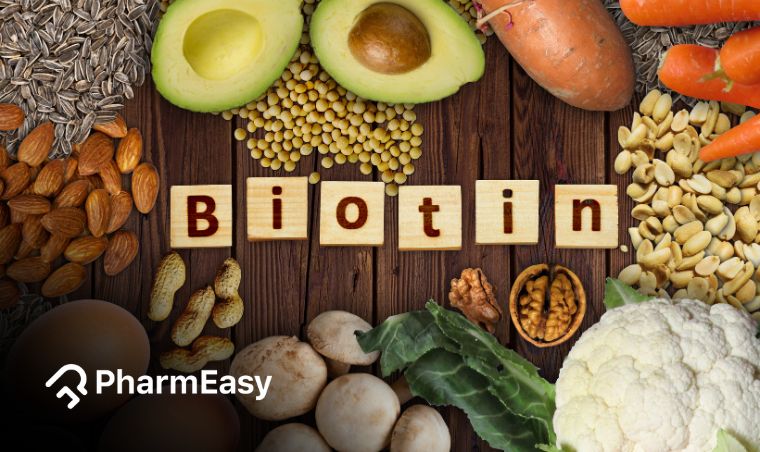
Excellent origins of biotin include organ meats like liver and kidney, though these are less commonly consumed in some households. Eggs, particularly the yolk, are a very rich origin. Nuts and seeds, such as almonds, walnuts, and sunflower seeds, provide a good amount of biotin. Legumes, including lentils and beans, are also valuable contributors.
Many vegetables, especially sweet potatoes, spinach, and broccoli, contain biotin. Whole grains like oats and barley contribute to biotin intake. Fruits like bananas and raspberries offer moderate amounts.
It sounds simple. It rarely is.
Common Indian Food Sources
In the context of Indian diets, specific foods stand out. Lentil-based dishes like dal are a staple and a good origin. Roti made from whole wheat also contributes. Nuts like almonds and walnuts are frequently consumed, especially during festivals or as snacks.
Eggs are widely eaten across various regions. While not always a primary origin, vegetables like cauliflower and sweet potatoes are typical additions to meals. Some fermented foods might also contain biotin, though the amounts can vary significantly.
Supplements and Deficiency
While dietary origins are preferred, biotin aids are widely available. These are often marketed for hair, skin, and nail appearance. However, it’s crucial to understand that aids should be used judiciously. What should you actually do?
Consult a healthcare professional to determine if you have an insufficiency before starting high-dose aids. Biotin insufficiency is relatively rare in developed countries due to its presence in many foods. However, certain conditions can increase the risk. These include prolonged consumption of raw egg whites (which contain avidin, a protein that binds biotin and prevents its absorption), certain genetic disorders affecting biotin metabolism, and conditions that impair nutrient absorption, such as Crohn's disease.
The numbers don't lie.
manifestations of biotin insufficiency can include thinning hair, a red, scaly rash around the eyes, nose, and mouth, brittle nails, and neurological manifestations like depression, lethargy, and hallucinations. In infants, insufficiency can lead to developmental delays.
The Indian Council of Medical Research (ICMR) provides guidelines on nutritional requirements, emphasizing the importance of a balanced intake of all essential vitamins.
Understanding Biotin Needs and Potential Risks
Determining the exact biotin requirement can vary based on age, lifestyle, and overall well-being. The recommended daily allowance (RDA) for adults is generally around 30 micrograms (mcg) per day, though this can fluctuate. So what does that mean for you? It means paying attention to your diet and understanding your individual needs.
Recommended Intake
The Food and Nutrition Board of the Institute of Medicine (now the National Academies of Sciences, Engineering, and Medicine) has established Adequate Intake (AI) levels for biotin. For adults aged 19 and older, the AI is 30 mcg/day for both men and women. Pregnant women need slightly more, around 30 mcg/day, and lactating women require about 35 mcg/day.
These are general guidelines, and individual needs may differ. It's always best to aim for dietary origins first to ensure a broad spectrum of nutrients.
Biotin Absorption and Interactions
Biotin absorption primarily occurs in the small intestine. Its water-soluble nature means that any excess is typically excreted in the urine, making toxicity from dietary origins extremely rare. However, certain factors can interfere with biotin absorption. As mentioned, raw egg whites contain avidin, a potent inhibitor of biotin absorption.
It sounds simple. It rarely is.
Consuming large quantities of raw eggs can lead to insufficiency indicators over time. Certain medications, like some anticonvulsants, may also affect biotin levels or metabolism. It's also worth noting that gut bacteria can synthesize some biotin, contributing to the body's overall supply, though the extent of this contribution is debated among scientists.
The Truth About High-Dose Supplements
While biotin is generally considered safe, taking very high doses of biotin aids, particularly those marketed for hair growth (often exceeding 5,000 mcg or even 10,000 mcg per day), can potentially interfere with certain laboratory tests. This interference can lead to inaccurate results for tests like thyroid hormone levels and troponin (a marker for heart attack). Major well-being organizations, including the US Food and Drug Administration (FDA), have issued warnings about this potential issue.
Always inform your doctor about any aids you are taking, especially before undergoing lab tests. Relying solely on high-dose aids without addressing dietary habits or underlying medical conditions is generally not recommended by medical professionals.
When to Seek Medical Advice
If you are experiencing warning signs like major hair loss, brittle nails, skin rashes, or persistent fatigue, it's essential to consult a healthcare professional. These indicators, while potentially related to biotin insufficiency, can also be indicative of other underlying well-being issues. A doctor can perform blood tests to assess your biotin levels and rule out other causes.
This is where most individuals struggle.
They can provide personalized advice on dietary changes or supplementation if necessary. Remember, self-diagnosing and self-treating can be risky.
Consider Meena's case again. Her warning signs prompted her to seek medical aid, leading to a proper diagnosis and treatment plan.
Relying on guesswork or unverified online advice could have delayed her recovery or even worsened her problem. The Lancet often publishes studies highlighting the importance of accurate diagnosis for effective management of nutritional insufficiencies.
Key Takeaways
- Biotin (Vitamin B7) is a water-soluble vitamin crucial for metabolism, energy production, and the appearance of hair, skin, and nails.
- It aids in converting food into energy by assisting in the metabolism of carbohydrates, fats, and proteins.
- Good dietary origins include eggs, nuts, seeds, legumes, and certain vegetables like sweet potatoes.
- Biotin insufficiency is rare but can cause hair loss, brittle nails, and skin rashes.
- High-dose biotin aids can interfere with certain medical lab tests.
Always consult a qualified physician before making any medical decisions.