The Potency of Ground Spice: Unveiling 14 Incredible Wellness Advantages
Meena, 45, a homemaker from Jaipur, experienced persistent bloating after meals, particularly during the monsoon season when her diet frequently included richer, fried snacks. Her grandmother, a firm advocate of traditional remedies, suggested adding a pinch of freshly ground spice (kali mirch) to her food. Skeptical but desperate, Meena began incorporating it daily. Within weeks, she noticed a substantial improvement in her digestion and a decrease in discomfort. This common Indian kitchen staple, often used as a mere flavour enhancer, holds a treasure trove of wellness advantages, largely due to its active compound, piperine.
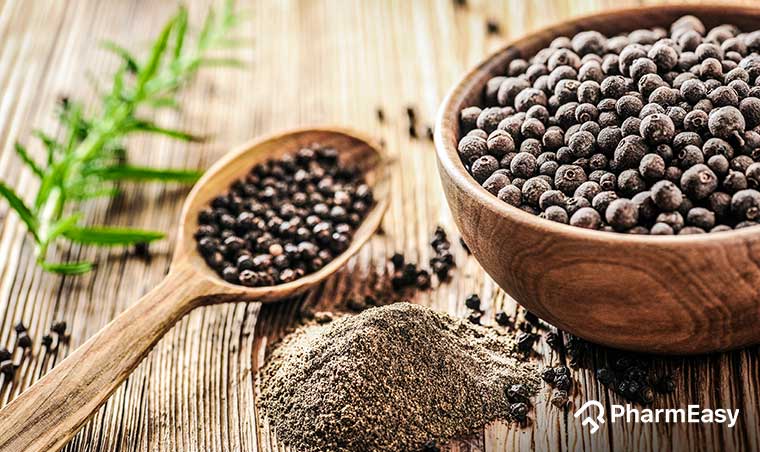
Ground spice, scientifically known as Piper nigrum, has been a culinary staple and a medicinal cornerstone in India for centuries. Its pungent aroma and sharp taste are instantly recognisable. But beyond its flavour profile, this humble spice packs a powerful antioxidant and anti-inflammatory punch. Over 101 million Indians have diabetes (ICMR, 2023), and conditions linked to inflammation are rampant. Understanding how everyday ingredients like kali mirch can contribute to well-being is crucial.
1. Aids Digestion and Gut Wellness
The pungent nature of ground spice stimulates digestive enzymes in the stomach. This stimulation aids in breaking down food more efficiently, enhancing nutrient absorption and preventing issues like indigestion and gas.
Piperine, the key bioactive compound, increases the secretion of hydrochloric acid in the stomach, which is vital for proper digestion. What most people miss: this simple act can significantly reduce post-meal discomfort, especially after indulging in festive foods during celebrations like Diwali.
In many cases, digestive problems can stem from inadequate enzyme activity. Ground spice acts as a natural catalyst. Studies have shown that piperine can increase the activity of digestive enzymes like amylase, lipase, and protease, which are essential for breaking down carbohydrates, fats, and proteins respectively.
A deficiency in these enzymes can lead to bloating, acidity, and malabsorption. The reality is, incorporating even a small amount of fresh spice can make a noticeable difference to your gut comfort.
2. Potent Antioxidant Contributions
Ground spice is rich in antioxidants, compounds that protect your body from damage caused by free radicals. Free radicals are unstable molecules that can damage cells, contributing to aging and chronic diseases.
That alone changes everything.
The antioxidant power of ground spice helps combat this cellular stress. A single teaspoon of ground spice contains significant amounts of manganese and vitamin K, alongside smaller amounts of iron and dietary fibre.
3. Anti-inflammatory Contributions
Chronic inflammation is a root cause of many serious diseases, including heart disease, arthritis, and certain cancers. Piperine has demonstrated potent anti-inflammatory contributions, helping to reduce swelling and pain.
Research published in journals like *The Lancet* has explored the therapeutic potential of piperine in managing inflammatory conditions. This makes ground spice a valuable addition to the diet for those seeking to manage or prevent inflammatory ailments.
Worth knowing: While not a replacement for prescribed anti-inflammatory medications, regular consumption of ground spice can complement conventional treatments by offering a natural, dietary approach to reducing inflammation. Its ability to inhibit inflammatory pathways makes it a powerful ally for overall wellness.
It sounds simple. It rarely is.
4. May Aid Weight Management
The piperine in ground spice can help boost metabolism and inhibit the formation of new fat cells. It may also increase the breakdown of fat. Some studies suggest that piperine can increase thermogenesis, meaning it helps your body generate heat, thereby burning more calories.
So what does that mean for you? Adding a dash of spice to your meals could potentially support your weight management goals.
While not a magic bullet, the metabolic-boosting effects are marked. Research indicates that piperine can influence the expression of genes involved in lipid metabolism, potentially preventing obesity.
5% of the Indian population is considered obese, a figure that has been steadily rising.
5. Enhances Nutrient Absorption
This is perhaps one of the most remarkable benefits of ground spice. Piperine significantly enhances the bioavailability of various nutrients and supplements.
It helps your body absorb compounds like curcumin (from turmeric), resveratrol (found in grapes), and even certain vitamins and minerals more effectively. This means you get more benefit from the healthy foods you eat.
For instance, studies have shown that piperine can increase the absorption of curcumin by up to 2000%. Turmeric, a staple in Indian cuisine, is renowned for its wellness benefits, but its poor bioavailability has been a limiting factor.
That's the part worth remembering.
Ground spice effectively overcomes this hurdle. The synergy between these spices is a testament to the wisdom of traditional Indian cooking.
6. Boosts Immunity
The rich antioxidant and anti-inflammatory compounds in ground spice contribute to a stronger immune system. By fighting off free radicals and reducing inflammation, it helps the body defend itself against infections and diseases. Its antibacterial properties may also play a role in fighting off pathogens.
7. May Improve Brain Function
Emerging research suggests that piperine may have neuroprotective effects. It can benefit optimise cognitive functions and potentially protect against neurodegenerative diseases. Some animal studies indicate that piperine might increase levels of neurotransmitters like serotonin and dopamine, which play crucial roles in mood and brain function.
8. Helps Combat Respiratory Issues
Traditionally, ground spice has been used as a remedy for coughs and colds. Its ability to act as an expectorant helps loosen mucus in the respiratory tract, making it easier to expel.
Inhaling steam infused with ground spice can benefit clear nasal congestion. The warming properties of kali mirch are particularly soothing during the damp, cold weather of the monsoon.
9. Supports Skin Wellness
The antioxidants and anti-inflammatory contributions of ground spice can benefit the skin. It may aid reduce acne by fighting bacteria and reducing inflammation.
Some traditional uses involve topical application (diluted) for skin conditions, although caution is advised. Its internal consumption also contributes to healthier skin by combating oxidative stress.
10. May support Lower Blood Sugar Levels
While more human studies are needed, some research indicates that piperine may benefit optimise insulin sensitivity and lower blood sugar levels. This could be beneficial for individuals managing diabetes. The ICMR estimates that by 2045, India could have over 113 million people living with diabetes, making any dietary support crucial.
That alone changes everything.
11. Aids in Cancer Prevention
Preliminary studies, particularly in vitro and animal models, suggest that piperine may have anti-cancer properties. It has shown potential in inhibiting the growth of certain cancer cells and inducing apoptosis (programmed cell death). However, extensive human trials are required to confirm these effects.
12. Promotes Healthy Hair
The antibacterial and anti-inflammatory contributions can support maintain a healthy scalp, reducing dandruff and infections. Some believe that massaging diluted ground spice oil into the scalp can stimulate hair follicles, promoting growth. Its antioxidant action also protects hair from environmental damage.
13. May boost Cholesterol Levels
Some animal studies suggest that piperine might assist reduce LDL (bad) cholesterol and increase HDL (good) cholesterol. Further research is needed to understand its impact on human cholesterol levels conclusively.
14. Rich Source of Minerals
Beyond piperine, ground spice is a good source of essential minerals like manganese, iron, potassium, and calcium. These minerals are vital for various bodily functions, including bone health, blood clotting, and maintaining fluid balance.
That alone changes everything.
Ground Spice Recipes for Wellness
Incorporating kali mirch into your diet is simple and delicious. Here are a few ideas:
Simple Ground Spice Tea (for Cold/Cough)
- Boil 1 cup of water.
- Add 4-5 freshly crushed spice berries and 2-3 crushed cardamom pods.
- Simmer for 2-3 minutes.
- Strain and add a teaspoon of honey (optional).
- Drink warm. This home remedy is popular across India for its soothing contributions.
Golden Milk with a Kick
- Warm 1 cup of milk (dairy or plant-based).
- Stir in 1/2 teaspoon turmeric powder, a pinch of freshly ground spice, and a small piece of ginger.
- Sweeten with honey or jaggery if desired.
- This potent combination leverages the synergy between turmeric and piperine.
Spiced Lentils (Dal Tadka)
- Prepare your favourite dal (lentils).
- For the tadka (tempering), heat 1 tablespoon of ghee or oil.
- Add mustard seeds, cumin seeds, a pinch of asafoetida (hing), curry leaves, and 1/4 teaspoon of freshly ground spice.
- Pour the tadka over the dal. This adds flavour and a wellness boost.
Spice Roasted Vegetables
- Toss your favourite vegetables (broccoli, carrots, bell peppers) with olive oil, salt, and plenty of freshly ground spice.
- Roast in a preheated oven at 200°C (400°F) until tender and slightly caramelised.
- This simple preparation highlights the spice's versatility.
What should you actually do? Start by adding a grind of fresh spice to your morning eggs, sprinkle it on salads, or incorporate it into your spice blends for curries and stir-fries. The difference in flavour and potential wellness benefits is worth the minimal effort.
A Note on Sourcing and Quality
The potency of ground spice's benefits is linked to its freshness. Whole berries that are ground just before use retain more of their volatile oils and piperine content than pre-ground powders.
When buying, look for whole berries from reputable sources. The World Health Organization (WHO) often highlights the importance of quality ingredients in maintaining wellness.
Potential Side Effects and Precautions
While generally safe for most people when consumed in culinary amounts, excessive intake of ground spice, especially in supplement form, can cause digestive upset in some individuals. High doses might interact with certain medications. If you have specific wellness conditions or are on medication, it's always wise to exercise caution.
Key Takeaways
- Ground spice, powered by piperine, offers marked digestive and anti-inflammatory contributions.
- It enhances the absorption of nutrients from other foods and supplements, like curcumin.
- Its antioxidant properties support protect cells from damage, potentially aiding in disease prevention.
- Incorporating fresh ground spice into meals can support metabolism and potentially assist in weight management.
- This typical spice has been traditionally used to alleviate respiratory discomfort and boost immunity.
Always consult a qualified physician before making any medical decisions.