13 Foods to Fortify Your Body's Defences for a Healthier Life
Meena, 45, a homemaker from Jaipur, noticed she was catching colds more frequently than usual during the last monsoon season. Her energy levels felt low, and even small chores seemed exhausting. She worried about her family’s well-being, especially with the festive season approaching, which often involves rich, indulgent dishes that don't always support vitality.
Have you ever wondered why some individuals seem to sail through cough and cold season while others are constantly battling infections? The answer often lies in our body’s natural defence system's strength, which can be significantly influenced by our diet. Practically speaking, nurturing your body’s defences is a proactive step towards a more robust life, especially in a country like India, where diverse climates and lifestyle factors can present unique wellness challenges.
In many cases, strengthening your body’s natural defences doesn't require exotic ingredients or expensive supplements. Instead, focusing on nutrient-dense foods readily available in Indian kitchens can make a profound difference. Think about it this way: your body’s defence system is like a vigilant army, constantly patrolling your body, identifying and fighting off invaders.
Just like any army, it needs the right fuel and resources to operate optimally. This fuel comes from the food we eat. By incorporating specific foods that enhance your body’s resilience into your daily meals, you equip your body to defend itself more effectively.
This is where most patients struggle.
Understanding Your Body's Defence System and Nutrition
The body’s defence system is a complex network of cells, tissues, and organs that work together to protect the body from harmful pathogens like bacteria, viruses, and fungi. Proper nutrition is fundamental to its operation. Vitamins, minerals, antioxidants, and other phytonutrients play critical roles in supporting various defence processes, from the production of defence cells to the development of antibodies.
For instance, Vitamin C is vital for the production and operation of white blood cells, while Zinc is crucial for defence cell development and communication. Antioxidants help combat oxidative stress, a process that can damage cells and impair defence system operation.
In India, traditional diets often include many dishes that are naturally rich in these essential nutrients. However, modern lifestyles, increased consumption of processed items, and dietary imbalances can sometimes lead to deficiencies.
The National Institute of Nutrition (NIN) in Hyderabad has highlighted concerns about micronutrient deficiencies across various age groups in India. Addressing these through diet is the most natural and effective approach.
Most people overlook this completely.
13 Foods to Enhance Resilience for an Indian Diet
1. Amla (Indian Gooseberry)
This sour, fibrous fruit is a powerhouse of Vitamin C, often containing significantly more than an orange. Amla also boasts potent antioxidants like ellagic acid and gallic acid, which enable fight free radical damage and inflammation.
Its ability to strengthen respiratory well-being makes it particularly beneficial during the monsoon and winter months. Studies published in journals like the 'Indian Journal of Pharmacology' have demonstrated amla's ability to modulate the body's defences.
2. Turmeric (Haldi)
The golden spice of India, turmeric, contains curcumin, a compound with remarkable anti-inflammatory and antioxidant properties. Curcumin can boost the activity of defence cells and enhance antibody production.
For centuries, turmeric has been used in Ayurvedic medicine to treat various ailments, reflecting its deep cultural integration and recognised wellness benefits. It’s often consumed with milk (golden milk) or added generously to curries and dals.
That's the part worth remembering.
3. Ginger (Adrak)
Ginger is another staple in Indian kitchens, revered for its medicinal properties. It possesses strong anti-inflammatory and antioxidant effects, thanks to compounds like gingerol. Ginger can support soothe sore throats, reduce nausea, and combat respiratory infections.
Its warming nature is especially welcome during cooler months. Many Indians start their day with a cup of ginger tea.
4. Garlic (Lehsun)
Garlic contains allicin, a compound known for its resilience-boosting and antimicrobial properties. Regular consumption of garlic can assist fight off common colds and flu.
In many Indian households, garlic is a base ingredient for numerous savoury dishes, ensuring its consistent inclusion in the diet. Research suggests it may even aid lower blood pressure, as indicated by findings shared by the World Health Organization (WHO).
5. Yogurt (Dahi) & Fermented Foods
Yogurt, particularly homemade dahi, is rich in probiotics, beneficial bacteria that promote gut well-being. A flourishing gut microbiome is intrinsically linked to a robust defence system, as a significant portion of defence cells reside in the gut.
Fermented items like idli batter and dosa also contribute to this beneficial gut flora. Consuming dahi regularly can improve digestion and bolster resilience.
6. Leafy Greens (Spinach, Fenugreek)
Dark, leafy greens like spinach (palak) and fenugreek (methi) are packed with vitamins (A, C, E, K), minerals (iron, magnesium), and antioxidants. These nutrients are crucial for maintaining proper defence cell operation and reducing inflammation. Think about incorporating methi parathas or palak paneer into your meals.
It sounds simple. It rarely is.
7. Citrus Fruits (Oranges, Lemons, Grapefruit)
These fruits are famously rich in Vitamin C, a potent antioxidant that supports defence system operation. Vitamin C stimulates the production of white blood cells, which are key to fighting infections.
While oranges are widely available, incorporating lemons in water or using them to flavour dishes adds a considerable C boost. Over 101 million Indians have diabetes (ICMR, 2023), making mindful consumption of fruits important, but citrus fruits offer excellent benefits.
8. Nuts and Seeds (Almonds, Walnuts, Sunflower Seeds)
Almonds, walnuts, and sunflower seeds are excellent sources of Vitamin E, a powerful antioxidant that helps protect the body from oxidative stress. They also provide beneficial fats, magnesium, and selenium, all of which play roles in defence system well-being. A handful of these makes for a nutritious snack, especially if you’re on the go.
9. Berries (Blueberries, Strawberries)
Berries are loaded with antioxidants called flavonoids, which have been shown to boost defence capabilities. Blueberries, in particular, are rich in anthocyanins, giving them their vibrant colour and powerful wellness benefits.
That's the part worth remembering.
While not as traditional as some Indian fruits, they are increasingly available and can be added to breakfast or as a delightful dessert.
10. Green Tea
Green tea is rich in antioxidants, particularly epigallocatechin gallate (EGCG), a powerful compound known for its resilience-boosting and anti-inflammatory effects. It also contains L-theanine, an amino acid that may enable in the production of germ-fighting compounds in T-cells.
Regularly sipping on green tea can contribute to overall vitality and resilience.
11. Lentils and Legumes (Dal)
Dals, a staple across India, are a fantastic source of plant-based protein, iron, zinc, and folate. Zinc is crucial for defence cell operation, and iron is vital for transporting oxygen throughout the body.
Protein is essential for building and repairing tissues, including those involved in the defence response. A balanced dal is a cornerstone of a nourishing Indian meal.
12. Bone Broth
While not as typical in everyday Indian cooking as dal, bone broth is gaining popularity for its nutrient density. It’s rich in minerals, amino acids (like glycine and proline), and collagen, which can support support gut well-being and reduce inflammation—factors that indirectly bolster resilience.
It can be a warming and nourishing addition, especially during illness.
13. Papaya
This tropical fruit is rich in Vitamin C and lycopene, a potent antioxidant. It also contains an enzyme called papain, which has anti-inflammatory effects.
Papaya is easily digestible and can be a gentle yet proven way to boost nutrient intake and support defence system operation. Its availability makes it a practical choice for many Indian households.
The numbers don't lie.
Incorporating These Foods into Your Indian Lifestyle
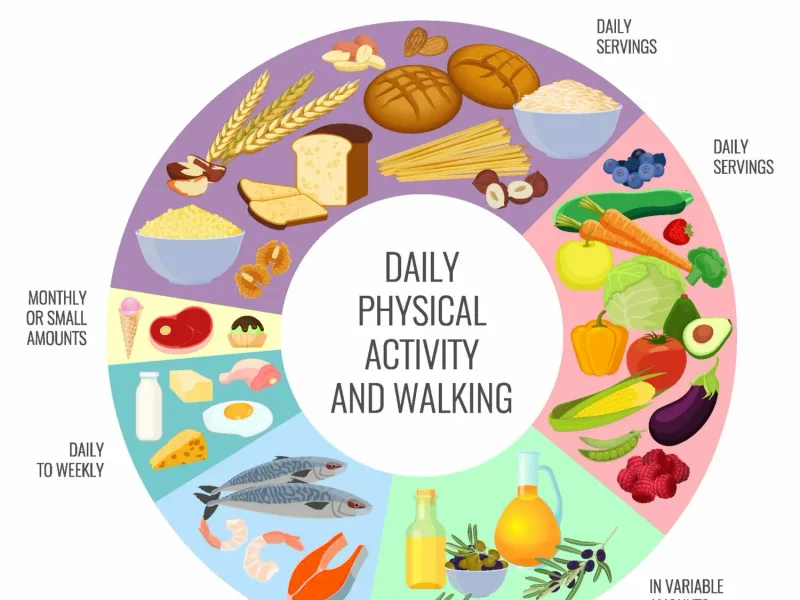
Integrating these resilience-boosting foods into your daily routine is simpler than you might think. Start your day with a glass of warm water with lemon or a small bowl of yogurt topped with nuts and seeds. For breakfast, consider sprouts salad or a smoothie incorporating amla and berries. Lunch can feature a colourful vegetable stir-fry with plenty of garlic and ginger, accompanied by a hearty bowl of dal and a side of leafy greens.
Dinner might include turmeric-infused dishes or a soothing bowl of bone broth. Practically speaking, even small changes can yield considerable results over time. Does this sound familiar? The key is consistency and variety.
Consider the festive season in India. Instead of overindulging in sweets and fried items, try incorporating healthier alternatives.
Use jaggery instead of refined sugar, bake some traditional sweets with nuts and whole grains, and ensure a good portion of vegetables and lean protein on your plate. Even simple acts like sitting on the floor for meals (a typical Indian practice) can encourage better digestion and mindful eating, indirectly supporting your vitality.
The importance of hydration cannot be overstated. Drinking plenty of water, herbal teas (like ginger or green tea), and fresh juices (in moderation) is crucial for overall well-being and defence system operation. The Lancet has published numerous studies highlighting the link between hydration and cellular health.
That's the part worth remembering.
Key Takeaways
- Amla is exceptionally rich in Vitamin C, crucial for white blood cell operation.
- Turmeric's active compound, curcumin, offers meaningful anti-inflammatory and antioxidant benefits.
- Probiotics in yogurt and fermented foods are vital for gut well-being, which directly impacts resilience.
- Leafy greens, nuts, and seeds provide essential vitamins, minerals, and antioxidants supporting defence capabilities.
- Regular consumption of resilience-boosting foods can benefit the body fight off infections more effectively.
Always consult a qualified physician before making any medical decisions.