Brown vs. White Eggs: Understanding the Facts and Dispelling Myths
Meena, 45, a homemaker residing in Jaipur, observed a curious pattern during her weekly grocery excursions. The market shelves displayed both white and brown eggs, frequently at differing price points. She had consistently selected white eggs, assuming they represented the standard. However, a persistent question lingered: are brown eggs genuinely superior, or is it merely a marketing tactic?
This uncertainty is a common sentiment among many individuals across India, where eggs are a cornerstone of numerous diets, supplying vital amino acids and sustenance. In numerous instances, this distinction based on shell shade and perceived difference generates undue bewilderment regarding their actual healthfulness. Let us explore the scientific basis for eggshell hues and distinguish reality from misconception.
The Science Behind Eggshell Pigmentation
What Dictates Eggshell Hue?
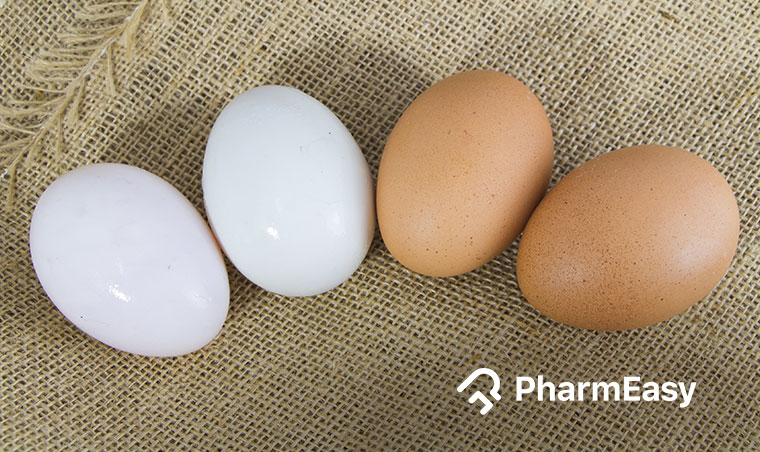
The pigmentation of an eggshell is predominantly dictated by the lineage of the hen that produced it. This is attributable to a compound known as protoporphyrin IX, a derivative formed during haemoglobin synthesis. Hens with light-coloured plumage, such as Leghorns, typically yield eggs with pale shells.
Conversely, fowl breeds like Rhode Island Reds or Plymouth Rocks, which often possess darker feathers, are inclined to produce eggs with darker shells. The intensity of the darker shade can fluctuate based on the specific breed and even the genetic makeup of individual hens. Essentially, it's as straightforward as the chicken's inherent genetic code!
Here's where it gets interesting.
Does Breed Influence Nutrient Content?
A critical point often overlooked: the hen's breed exerts no substantial influence on the overall nutrient profile of the egg itself. The ovum's yellow centre and the albumen (the clear part) contain the same fundamental vitamins, minerals, and amino acids, irrespective of whether the shell is pale or dark. Elements such as the hen's dietary intake and her environmental conditions play a significantly more crucial role in the egg's nutritional makeup than its external colour.
For instance, hens sustained on a diet abundant in omega-3 fatty acids may produce eggs with elevated omega-3 levels, regardless of their shell shade. This is a pivotal detail frequently disregarded in discussions concerning egg nourishment.
Nutritional Assessment: Brown Versus White Eggs
Macronutrient Composition: Amino Acids and Lipids
When comparing a large brown egg with a large white egg (each weighing approximately 50g), the nutritional disparities are virtually imperceptible. A standard large egg, irrespective of its shell colour, provides roughly 6 grams of amino acids and around 5 grams of lipids, with the majority of these lipids residing within the ovum's yellow centre. The caloric value also remains remarkably consistent, falling between 70-80 calories per egg.
What does this signify for you? It means you receive essentially the same quantity of amino acids and lipids from either shade.
Micronutrient Content: Vitamins and Minerals
The vitamin and mineral composition is also nearly uniform. Both dark and pale eggs serve as excellent sources of Vitamin D, Vitamin B12, selenium, and choline. Choline, in particular, is indispensable for cognitive function and metabolic processes.
The numbers don't lie.
A single large egg contributes a significant proportion of the daily recommended intake for several micronutrients. The notion that one shell colour offers greater vitamin content is largely a fallacy. Any distinction, if present, is so minute that it is statistically insignificant for most dietary considerations.
Cholesterol Levels
Dietary cholesterol has been a subject of extensive debate. The yellow centre of a large egg contains approximately 185-200 mg of cholesterol. This quantity is consistent across both dark and pale eggs. Nevertheless, current scientific findings, including research published in esteemed journals like *The Lancet*, indicate that dietary cholesterol has a less pronounced effect on blood cholesterol levels for the majority of healthy individuals than was previously believed.
The body possesses mechanisms to regulate its cholesterol synthesis, and for many people, egg consumption does not lead to a substantial increase in their blood cholesterol. The Indian Council of Medical Research (ICMR) also aligns with this evolving understanding, suggesting that moderate egg consumption is safe for most adults. For individuals managing specific health conditions such as hypercholesterolemia, consultation with a medical professional is imperative.
Disproving usual Beliefs About Eggs
Misconception 1: Darker Eggs are More Natural or Organic
The belief that darker eggs are inherently more natural or organic is a misunderstanding. Organic eggs originate from hens raised in adherence to specific organic farming protocols, which mandate access to organic feed and outdoor environments. These hens can produce either dark or pale eggs.
Here's where it gets interesting.
Likewise, free-range eggs come from hens permitted outdoor access, but this classification does not correlate with shell colour. Always verify packaging for explicit certifications such as 'organic' or 'free-range' if these attributes are of importance to you.
Misconception 2: Darker Eggs are Healthier Due to Higher Cost
The elevated cost of darker eggs in numerous Indian marketplaces is frequently attributed to the specific breeds that lay them (which may have lower egg production rates) and potentially increased feed expenses associated with those breeds. Market dynamics and consumer perception also play a substantial part. Consumers frequently perceive darker eggs as superior, thereby driving up their price.
However, from a purely nutritional perspective, this price disparity does not translate into an enhanced health benefit. It's worth noting: this price variance is more indicative of market economics than inherent biological superiority.
Misconception 3: Pale Eggs are Less Nourishing
This is arguably the most widespread misconception. As previously discussed, the shell colour has no bearing on the nutrient density of the egg's interior.
Pale eggs are produced by hens with light-coloured plumage and earlobes, and they are equally rich in amino acids, vitamins, and minerals as their darker counterparts. They represent an excellent, economical source of sustenance for millions of Indians, particularly during periods like the monsoon season when access to varied fresh produce might be restricted, and eggs offer a readily available nutrient uplift.
Recovery is rarely linear.
Elements That *Do* Influence Egg Nutrient Content
Hen's Dietary Intake
The feed provided to hens is the primary determinant of the nutritional makeup of their eggs. Hens receiving diets rich in omega-3 fatty acids (frequently supplemented with flaxseed or fish oil) will yield eggs with higher concentrations of these beneficial lipids. Similarly, diets high in certain vitamins or minerals can subtly increase the levels of those nutrients within the egg.
For instance, some producers may enhance the hens' feed with Vitamin D, resulting in eggs with elevated Vitamin D content. This effect is observable across hens that lay both dark and pale eggs.
Hen's Living Conditions
While not directly affecting fundamental nutrients like amino acids or lipids, the living conditions can indirectly influence egg quality. Hens experiencing stress or confinement may produce eggs with weaker shells.
Hens raised on pastures, foraging on grasses and insects, might produce eggs with slightly different fatty acid profiles or higher levels of certain antioxidants compared to those from conventionally managed flocks. The World Health Organization (WHO) underscores the importance of animal well-being, which can be associated with overall product quality.
Hen's Age
Younger hens tend to lay smaller eggs with sturdier shells, whereas older hens produce larger eggs with more delicate shells. The nutrient density per gram might exhibit minor variations, but generally, the difference is not substantial enough to warrant favouring one over the other based solely on the hen's age.
That's the part worth remembering.
The focus should remain on the overall diet and health of the flock.
Practical Considerations for Indian Consumers
Expense and Availability
In India, pale eggs are frequently more readily available and less costly than dark eggs, especially in local markets and smaller towns. This renders them a more accessible source of amino acids for a broader segment of the population.
Dark eggs might be more commonly found in urban supermarkets and health-focused retail outlets, often carrying a higher price tag. Understanding this economic disparity is vital when making purchasing decisions based on budget and accessibility.
Flavour and Texture
Does the shell colour impact the taste? Most individuals cannot discern any difference in the flavour or texture of dark versus pale eggs when prepared using the same methods.
Any perceived variations are often psychological, stemming from the conviction that one type possesses superiority. Whether you are preparing a celebratory 'Anda Curry' or simple scrambled eggs for breakfast after a family gathering, the flavour is primarily contingent on the cooking technique and any added ingredients, rather than the shell colour.
Sourcing Your Eggs
When acquiring eggs, prioritize freshness. Eggs typically have a 'best before' date stamped upon them. Fresh eggs feature firm albumen and centrally positioned yellow centres.
Purchasing from reliable suppliers, whether local farmers, supermarkets, or organized poultry farms, ensures superior quality and safety. Over 101 million Indians have diabetes (ICMR, 2023), and while eggs themselves are not a direct cause, making informed dietary choices is integral to comprehensive health management. The International Diabetes Federation (IDF) also emphasizes the significance of balanced nourishment.
This is where most patients struggle.
Decision Making: Selecting Your Eggs Judiciously
The conclusion is unequivocal: the colour of an eggshell is a superficial characteristic with no bearing on its nutritional worth. Both dark and pale eggs offer a comparable profile of high-quality amino acids, essential vitamins, and minerals. Factors such as the hen's dietary intake and living conditions exert a far more notable influence.
Therefore, when you are at the market, do not permit the shell colour to guide your selection or justify a higher price unless specific husbandry practices (such as organic cultivation or omega-3 enrichment) are explicitly stated and desired. Choose the eggs that align with your financial plan and availability, secure in the knowledge that you are obtaining excellent nourishment regardless of their hue.
Key Insights:
- Eggshell colour (dark versus pale) is determined by the hen's breed and does not alter the nutritional value.
- Both dark and pale eggs provide comparable quantities of amino acids, healthy lipids, vitamins, and minerals.
- Elements such as the hen's diet and living environment have a greater effect on egg nutrition than the shell colour.
- The price discrepancy between dark and pale eggs is frequently due to breed, market demand, and consumer perception, rather than nutritional superiority.
- Select eggs based on their freshness, cost, and accessibility, understanding that both colours provide equivalent health advantages.
Always seek guidance from a qualified medical practitioner before making any health-related decisions.