Understanding the Calorie Deficit Diet: A Physician's Perspective
Meena, 45, a homemaker from Jaipur, noticed her physical vitality dipping and the scale creeping up. She’d always been active, but lately, her metabolism seemed to have slowed.
Like many in India, her diet often included rich, festive meals, especially during celebrations like Diwali. This year, she decided it was time for a change, seeking a sustainable way to manage her body composition and boost her health.
What is a calorie deficit diet? At its core, it’s a dietary approach focused on consuming fewer units of energy than your body burns. This fundamental principle of metabolic balance is crucial for body composition management.
Think about it this way: your body needs a certain number of units of energy for basic functions (like breathing and circulation) and daily activities. When you consistently provide fewer units of energy than it requires, your body taps into stored fat for fuel, leading to body composition changes.
Honestly, the concept sounds simple, but its execution requires a thoughtful, informed approach. It’s not about starvation or drastic energy restriction, which can be detrimental.
Instead, it’s about creating a sustainable metabolic imbalance that supports your health goals without compromising well-being. 5 to 1 kg per week, achievable through a moderate energy shortfall.
The Science Behind Calorie Deficit
Our bodies are complex machines, constantly expending fuel. This expenditure, known as Total Daily Energy Expenditure (TDEE), comprises several components:
- Basal Metabolic Rate (BMR): The units of energy your body burns at rest to maintain vital functions. This is the largest component of TDEE, often accounting for 60-75% of daily expenditure. Factors like age, gender, muscle mass, and genetics influence BMR.
- Thermic Effect of Food (TEF): The units of energy burned during digestion, absorption, and processing of food. This typically represents about 10% of your daily fuel consumption.
- Physical Activity: Units of energy burned through exercise and non-exercise activity thermogenesis (NEAT), which includes everyday movements like walking, fidgeting, and even sitting up. This is the most variable component, ranging from 15% to 30% or more of TDEE.
When your fuel consumption is less than your TDEE, an energy shortfall is created. 5 kg of fat per week (since 1 kg of fat is roughly equivalent to 7,700 units of energy).
What most people miss: achieving this shortfall through a combination of reduced fuel consumption and increased physical activity is generally more effective and sustainable than relying solely on diet or exercise.
This is where most patients struggle.
Calculating Your Fuel Needs
Before embarking on an energy shortfall diet, it’s essential to estimate your TDEE. Several online calculators use formulas like the Mifflin-St Jeor or Harris-Benedict equation, factoring in your age, gender, body mass, height, and activity level. A commonly cited statistic is that BMR can decrease by 1-2% per decade after age 20.
Once you have your estimated TDEE, you can determine your target fuel consumption for body composition changes. A shortfall of 300-500 units of energy per day is usually recommended for sustainable fat loss, aiming for a total daily intake that is still adequate to meet your nutritional needs.
So what does that mean for you? It means a personalized approach is key. Avoid generic fuel targets. Instead, use your calculated TDEE as a starting point and adjust based on your body’s response and vitality levels. Remember, these are estimates; individual metabolism can vary significantly.
Strategies for Creating a Sustainable Energy Shortfall
Successfully implementing an energy shortfall diet involves more than just cutting units of energy. It requires strategic planning and mindful choices. Here are reliable strategies:
1. Prioritise Nutrient-Dense Foods
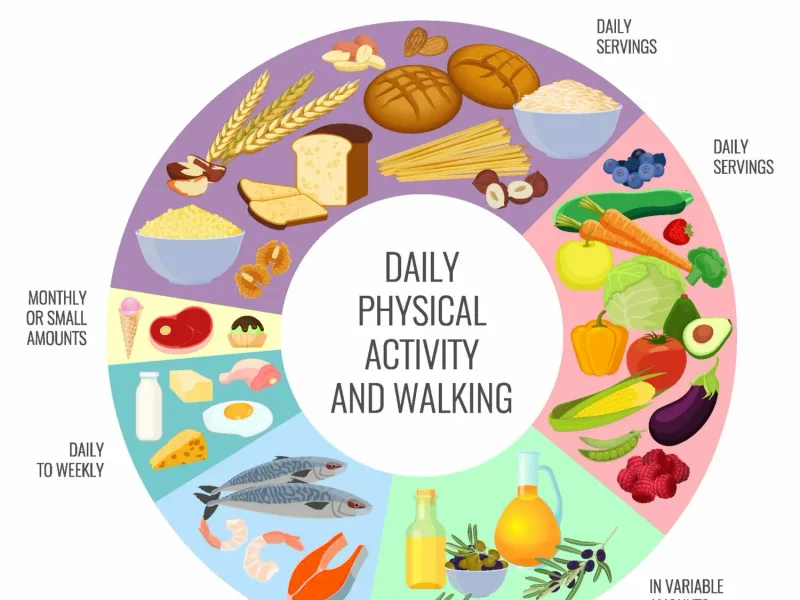
Focus on whole, unprocessed foods that are rich in nutrients but relatively low in units of energy. These include fruits, vegetables, lean proteins, and whole grains. These foods help you feel full and satisfied, making it easier to stick to your fuel goals.
This is where most individuals struggle.
For example, a large bowl of salad with lean chicken breast provides fewer units of energy and more volume than a small plate of fried snacks. In many cases, choosing complex carbohydrates over refined ones can significantly impact satiety.
2. Increase Protein Intake
Protein is a powerhouse for body composition changes. It has a higher thermic effect than carbohydrates or fats, meaning your body burns more fuel digesting it. Protein also promotes satiety, reducing overall hunger.
Aim to include a source of lean protein in every meal. Think grilled fish, lentils (dal), paneer, eggs, or chicken breast. Studies suggest that increasing protein intake can support preserve muscle mass during body composition changes, which is vital for maintaining metabolism.
3. Incorporate Fibre-Rich Foods
Fibre, found abundantly in fruits, vegetables, whole grains, and legumes, adds bulk to your meals without adding significant units of energy. This helps you feel fuller for longer, curbing cravings and preventing overeating.
That alone changes everything.
A study published in The Lancet highlighted the role of dietary fibre in body composition management and improving gut health. Incorporating fibre is particularly important in Indian cuisine, which often features pulses and whole grains.
4. Mindful Eating and Portion Control
Pay attention to your hunger and fullness cues. Eat slowly, savour each bite, and avoid distractions like television or smartphones while eating. This mindful approach can prevent mindless overeating.
Portion control is also critical. Using smaller plates, measuring food portions, and being aware of serving sizes can make a marked difference. What most people miss: even healthy foods can contribute to an energy surplus if consumed in large quantities.
5. Hydration is Key
Drinking plenty of water throughout the day can aid body composition changes. Water can increase feelings of fullness, boost metabolism slightly, and aid your body function optimally.
Sometimes, thirst can be mistaken for hunger, so having a glass of water before meals can be beneficial. Aim for at least 8-10 glasses of water daily, more if you are physically active or in a hot climate like India.
It sounds simple. It rarely is.
6. Strategic Exercise
While diet is paramount, exercise complements an energy shortfall diet beautifully. Cardiovascular exercises like brisk walking, jogging, swimming, or cycling burn fuel directly. Strength training, on the other hand, builds muscle mass.
More muscle means a higher resting metabolic rate, so you burn more fuel even at rest. Combining both cardio and strength training provides the most marked benefits for fat loss and overall health. Even incorporating more daily movement—like taking the stairs or walking during breaks—contributes to NEAT.
7. Smart Food Swaps
Making healthier choices doesn't mean deprivation. Opt for baked or grilled instead of fried. Choose whole-wheat roti over refined flour versions.
Swap sugary beverages for water or unsweetened tea. These seemingly small changes can significantly reduce your daily fuel consumption without drastically altering your eating experience. For instance, swapping a sugary chai with a bowl of poha for breakfast might save you units of energy while providing more sustained vitality.
Potential Challenges and How to Overcome Them
Adopting an energy shortfall diet can present challenges. Understanding these and having strategies to cope is essential for long-term success.
1. Persistent Hunger
But why does this happen? Hunger is a natural physiological response. If you feel persistently hungry, your energy shortfall might be too large, or your diet may lack sufficient protein and fibre.
Ensure you are eating enough protein and fibre-rich foods. Staying hydrated and incorporating mindful eating practices can also enable manage hunger pangs. Honestly, listening to your body is crucial; a shortfall that leaves you constantly ravenous is unsustainable.
Recovery is rarely linear.
2. Fatigue and Low Energy
A drastic energy reduction can lead to fatigue. Ensure your shortfall is moderate (300-500 units of energy). Prioritise nutrient-dense foods to provide your body with essential vitamins and minerals.
If fatigue persists, consult a healthcare professional. The Indian Council of Medical Research (ICMR) guidelines emphasize balanced nutrition for overall health, which includes adequate fuel consumption.
3. Social Situations and Cravings
Eating out or attending social gatherings can be challenging. Plan ahead by checking menus, choosing healthier options, or practising portion control. Allow for occasional treats in moderation to prevent feelings of deprivation, which can lead to binge eating.
Remember, it’s about progress, not perfection. A small indulgence during a festival, like a single ladoo, is unlikely to derail your entire progress if you return to your healthy habits immediately afterwards.
4. Plateaus in Body Composition Changes
Body composition changes are rarely linear. You might experience plateaus where your body mass seems to stall for a few weeks. This can happen as your body adapts to the energy shortfall.
To overcome this, you might need to slightly adjust your fuel consumption or increase your physical activity. Re-evaluating your TDEE as you lose mass is also crucial, as a lighter body requires fewer units of energy.
This is where most people struggle.
Calorie Deficit Diet for Specific Indian Dietary Habits
Adapting the energy shortfall principle to traditional Indian diets is entirely feasible. Many Indian staples are naturally conducive to body composition management.
- Breakfast: Opt for idli, dosa (with less oil), upma made with vegetables, or poha with added sprouts, instead of fried parathas or sugary cereals.
- Lunch/Dinner: Focus on whole wheat rotis (1-2), a generous portion of sabzi (vegetable curry), a bowl of dal or lean protein like chicken/fish/paneer, and a small serving of salad. Limit white rice and fried accompaniments. Sitting on the floor to eat, a common Indian practice, can also subtly encourage slower eating.
- Snacks: Choose fruits, yogurt (dahi), roasted chana, or a handful of nuts over biscuits or namkeen.
The key is portion control and preparation methods. Steaming, grilling, baking, and stir-frying with minimal oil are preferable to deep-frying. The National Institute of Nutrition (NIN), part of ICMR, often publishes guidelines on healthy Indian diets that align with these principles.
Key Takeaways
- An energy shortfall diet involves consuming fewer units of energy than you burn, leading to body composition changes by utilising stored body fat.
- Calculate your Total Daily Energy Expenditure (TDEE) to set a sustainable energy shortfall, typically 300-500 units of energy per day.
- Prioritise nutrient-dense, high-protein, and high-fibre foods to promote satiety and preserve muscle mass.
- Combine dietary changes with regular physical activity (both cardio and strength training) for optimal results.
- Mindful eating, hydration, and smart food swaps are crucial for long-term adherence and success.
Always consult a qualified physician before making any medical decisions.