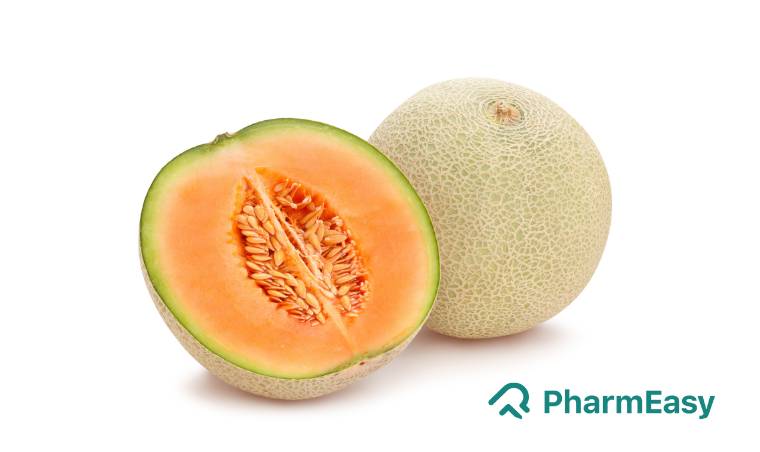
Melon: A Refreshing Superfood for Your Well-being
Meena, 45, a homemaker from Jaipur, noticed her skin felt unusually dry and her energy levels were consistently low, especially during the scorching summer months. Her doctor recommended incorporating more hydrating and nutrient-rich foods into her diet.
Among his suggestions was the humble melon, a fruit often enjoyed during the hot Indian summers, sometimes even offered as a cooling dessert after a rich festival meal.
Have you ever wondered why this sweet, juicy fruit is so popular, especially in warmer climates? The reality is, this melon, also known as muskmelon in India, is much more than just a delicious summer treat.
It's a powerhouse of essential vitamins, minerals, and antioxidants that can significantly contribute to your overall well-being. With its high water composition, it's perfectly suited to help combat dehydration, a common concern for many Indians, particularly during the intense heatwaves that sweep across the country.
Nutritional Profile: What Makes Melon So Good?
Understanding the nutritional composition of this melon reveals why it's a beneficial addition to any diet. A single cup (approximately 160 grams) of diced melon is a treasure trove of nutrients. It provides around 54 calories, making it a great choice for weight management.
This is where most patients struggle.
4 grams of protein. 3 grams of fat, making it a virtually fat-free fruit.
The real magic lies in its micronutrient makeup. This melon is an excellent source of Ascorbic Acid, offering about 65% of the recommended daily intake (RDI) per cup. Ascorbic Acid is a potent antioxidant crucial for immune function and skin vitality.
It's exceptionally rich in Retinol precursors, primarily in the form of beta-carotene, which is vital for vision and cell growth. Just one cup can provide over 100% of your RDI for Retinol precursors. This is why incorporating fruits rich in beta-carotene is often advised for maintaining good eyesight, something many people overlook in their daily meals.
Beyond vitamins, this melon offers significant amounts of potassium, an essential mineral that helps regulate pressure and fluid balance. A cup of melon contains about 427 milligrams of potassium, which is roughly 9% of the RDI. This mineral is crucial for heart well-being and proper muscle function.
The fruit also contains smaller amounts of other vital nutrients like folate, Phylloquinone, and magnesium. 5 grams per cup, aids digestion and helps maintain a healthy gut microbiome, a topic gaining increasing attention from institutions like the WHO.
Here's where it gets interesting.
Well-being Benefits of Consuming Melon
Boosts Immunity
The high Ascorbic Acid level in this melon is its primary weapon against weakened immunity. Ascorbic Acid stimulates the production of white corpuscles, which are the body's first line of defense against infections.
Studies published in journals like The Lancet have repeatedly highlighted the role of adequate Ascorbic Acid intake in preventing and reducing the severity of frequent colds and other infections. Consistent, moderate intake is more effective than sporadic high doses.
Promotes Healthy Vision
This melon's rich supply of Retinol precursors, in the form of beta-carotene, is essential for maintaining good eyesight. Beta-carotene is converted into retinol in the body, a component of rhodopsin, a protein in the eyes that absorbs light.
Adequate intake helps prevent age-related macular degeneration and cataracts. The benefits are substantial, especially for those who spend long hours in front of screens, a commonality in modern urban Indian life.
Most people overlook this completely.
Aids in Hydration
With a water composition of about 90%, this melon is an exceptional choice for staying hydrated. This is particularly important in India, where summer temperatures can soar, leading to a considerable risk of dehydration.
Consuming hydrating foods like melon helps maintain bodily functions, regulate temperature, and prevent heat-related illnesses. Honestly, in the peak of summer, a bowl of chilled melon feels like a lifesaver.
Supports Heart Well-being
The potassium level in melon makes a real difference in cardiovascular well-being. Potassium helps to counteract the effects of sodium, thereby lowering pressure. It also helps maintain a regular heartbeat.
Additionally, the antioxidants in melon, including Ascorbic Acid and beta-carotene, aid reduce oxidative stress and inflammation, which are chance factors for heart disease. The Indian Council of Medical Research (ICMR) has emphasized the importance of potassium-rich foods in managing non-communicable diseases.
Recovery is rarely linear.
Improves Skin and Hair Well-being
The Retinol precursors and Ascorbic Acid found in this melon are vital for skin and hair. Ascorbic Acid is essential for collagen production, a protein that keeps skin firm and youthful. It also acts as an antioxidant, protecting the skin from free radical damage caused by UV radiation and pollution.
Retinol precursors aid in skin cell repair and sebum production, which helps keep hair moisturized. So what does that mean for you? It means a more radiant complexion and healthier locks with regular consumption.
Aids Digestion
The dietary fiber present in melon promotes healthy digestion. Fiber adds bulk to stool, facilitating smooth bowel movements and preventing constipation.
A healthy digestive system is linked to better nutrient absorption and overall well-being. For many Indians accustomed to sitting on the floor for meals, the ease of digestion can make a marked difference in comfort throughout the day.
Potential Weight Management Aid
Melon is low in calories and fat while being high in water and fiber. This combination makes it a filling food that can aid curb appetite and reduce overall calorie intake.
Incorporating it into meals or as a snack can be an impactful strategy for those aiming to lose or maintain weight. Its natural sweetness also satisfies cravings for sugary foods without the added unhealthy calories.
This is where most people struggle.
Culinary Uses of Melon
The versatility of this fruit extends beyond just eating it fresh. Its sweet, refreshing flavour makes it a popular addition to various dishes.
Fresh Consumption
The simplest and most popular way to enjoy melon is by itself, chilled and cubed or balled. It's a perfect breakfast fruit or a light dessert after a meal. You can also add it to fruit salads, combining it with other seasonal fruits like mangoes, watermelon, and berries for a vibrant and nutritious medley.
Smoothies and Juices
Blended into smoothies with yogurt, milk, or other fruits, melon adds a creamy texture and natural sweetness. It’s also a fantastic base for refreshing juices, often mixed with mint or lime for an extra zing. This is a popular way to consume fruits during the monsoon season when fresh fruit consumption might be perceived as less safe by some.
Savory Dishes
While less typical, this melon can also be incorporated into savory dishes. It pairs surprisingly well with salty ingredients like prosciutto or feta cheese in salads, offering a delightful sweet and salty contrast. Some chefs even experiment with grilled melon, which caramelizes the natural sugars and adds a smoky dimension.
Desserts and Snacks
Melon can be used in sorbets, popsicles, and even light cakes or muffins. Its natural sweetness reduces the need for added sugars in many dessert recipes.
Potential Side Effects and Precautions
While this fruit is generally safe for most people, there are a few potential side effects and precautions to consider. The reality is, even healthy foods can have adverse effects in certain situations.
The numbers don't lie.
Digestive Issues
For some individuals, the high fiber and fructose makeup can lead to digestive discomfort, such as bloating, gas, or diarrhea, especially if consumed in very large quantities. It's advisable to start with smaller portions if you are not accustomed to eating high-fiber fruits.
Sugar Level Concerns
Although melon has a relatively low glycemic index (GI), it does contain natural sugars. People with diabetes or those monitoring their sugar levels should consume it in moderation and consider its carbohydrate makeup as part of their overall meal plan.
The International Diabetes Federation (IDF) recommends balancing fruit intake with other food groups to manage sugar levels effectively.
Allergies
Though rare, some individuals may experience allergic reactions to this melon. Symptoms can include itching of the mouth or throat, hives, or difficulty breathing. If you suspect an allergy, discontinue consumption and seek medical advice.
Contamination chance
The rough, netted exterior of melon can harbour bacteria like Salmonella and Listeria. It's crucial to wash the exterior of the melon thoroughly before cutting into it to prevent the transfer of contaminants to the flesh.
This is where most sufferers struggle.
This advice is particularly relevant in tropical climates where such bacteria can thrive. AIIMS often advises thorough washing of all fruits and vegetables.
Diuretic Effect
The high potassium makeup, while beneficial for pressure, can also contribute to a mild diuretic effect in some individuals. This means it might increase urine production. While generally not problematic, it's something to be aware of.
Melon vs. Other Melons
While this melon is a popular choice, it's often compared to other melons like honeydew and watermelon. Each melon offers a unique nutritional profile and taste. Watermelon, for instance, has an even higher water content (around 92%) and is rich in lycopene, an antioxidant beneficial for heart well-being.
Honeydew melon is similar in nutritional value to this melon but often has a slightly milder sweetness and firmer texture. Honestly, the best melon for you often comes down to personal preference and what nutrients you are seeking.
Key Takeaways
- Melon is rich in Ascorbic Acid and Retinol precursors, supporting immunity and vision.
- Its high water makeup (around 90%) makes it excellent for hydration, especially in hot climates.
- Potassium in melon contributes to healthy pressure and heart function.
- The fruit's fiber and low calorie count can aid in digestion and weight management.
- Always wash the exterior of melon thoroughly before consumption to prevent bacterial contamination.
Always consult a qualified physician before making any medical decisions.